🌿 Yerba Buena (Clinopodium douglasii)
🌿 Yerba Buena (Clinopodium douglasii): California’s Native Groundcover with Fragrance and Charm

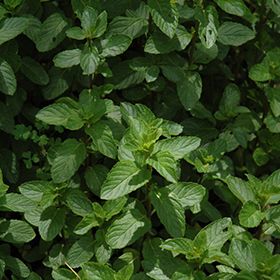


If you’re looking for a plant that feels soft, natural, and deeply connected to California landscapes, Yerba Buena is one of the most special groundcovers you can grow.
With its tiny rounded leaves, gentle trailing habit, and refreshing minty fragrance, this native plant brings a sense of quiet beauty and authenticity—especially in shaded, woodland-style gardens.
🌼 Quick Facts
Botanical name: Clinopodium douglasii (formerly Satureja douglasii)
Common name: Yerba Buena
Plant type: Evergreen groundcover
Native to: California and western North America
USDA zones: 7–10
Height: 2–6 inches
Spread: Spreads gently via runners
Light: Part shade → full shade
Water: Low to moderate
Bloom time: Spring → summer (subtle flowers)
Wildlife: Pollinators
🌿 Why Yerba Buena Is So Special
1. Native Groundcover with a Natural Feel 🌱
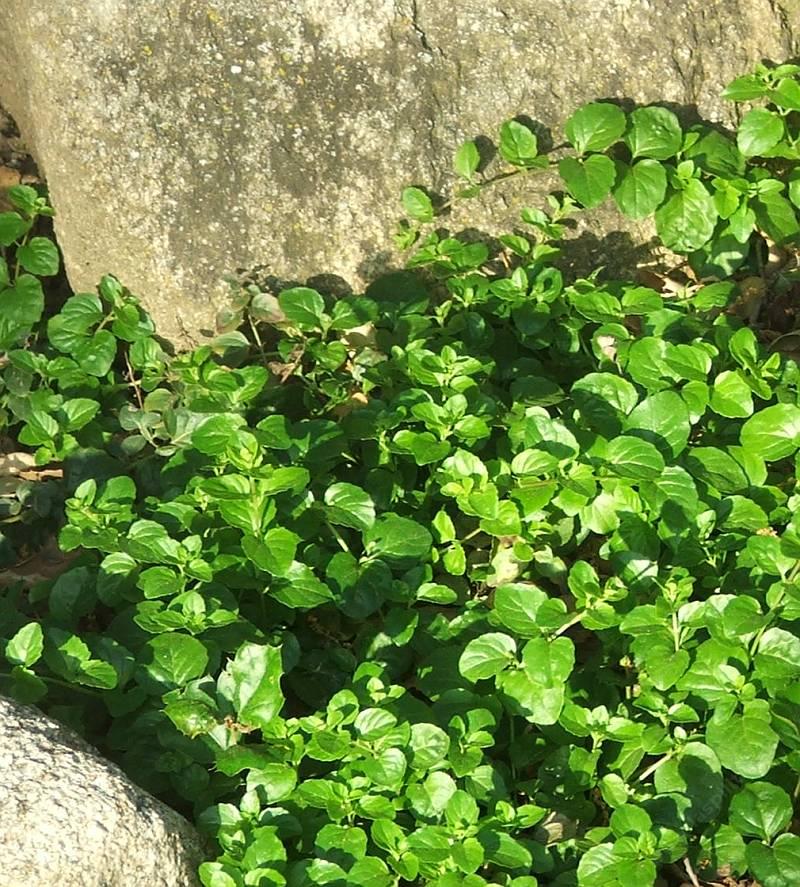
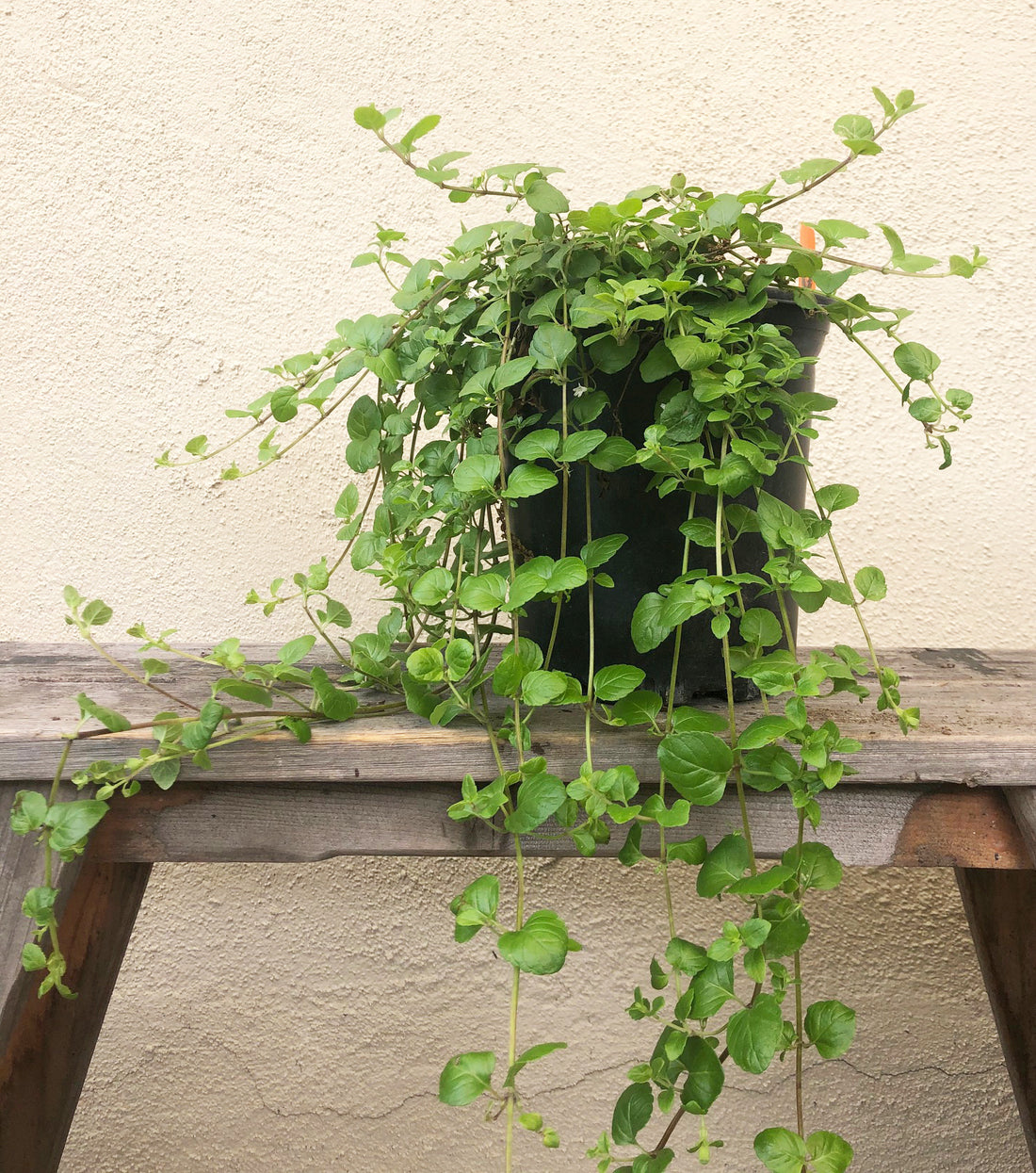
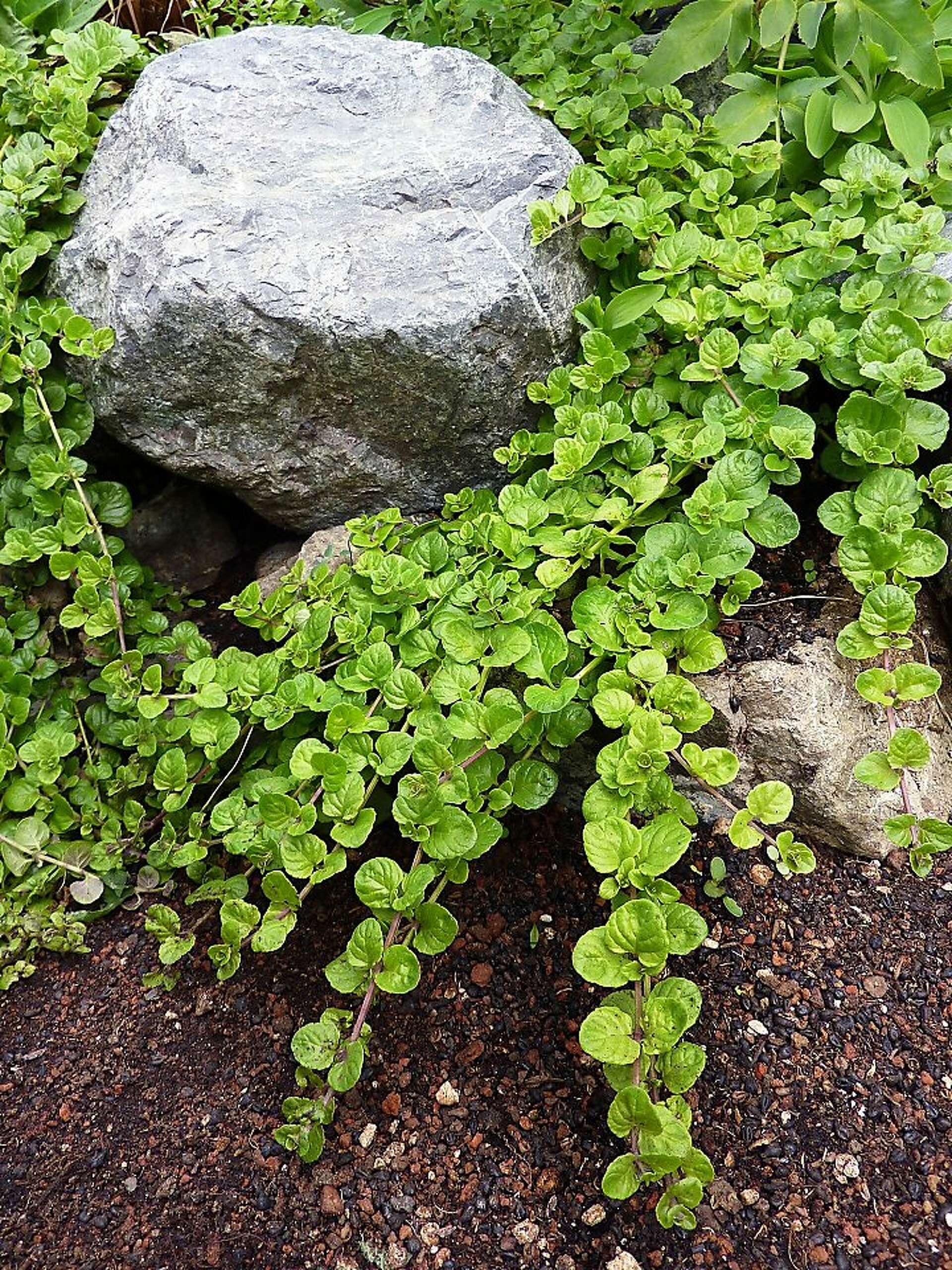
Low, trailing growth
Forms a loose, soft carpet
Blends seamlessly into natural landscapes
👉 Perfect for:
Woodland gardens
Native plantings
Informal spaces
2. Refreshing Fragrance 🍃
Leaves release a minty aroma when touched
Historically used for:
Tea
Medicinal purposes
👉 Adds a sensory dimension to the garden.
3. Thrives in Dry Shade 🌳
One of the few plants that handles:
Shade
Dry conditions
👉 Ideal for:
Under trees (including oaks)
Difficult, low-light areas
4. Subtle, Delicate Flowers 🤍
Small white to pale lavender blooms
Not showy, but charming
👉 Complements the foliage rather than competing.
🌱 Growing Conditions
☀️ Light
Best:
Part shade to full shade
Avoid:
Harsh, direct sun
💧 Water
Establishment: Regular watering
Mature:
👉 Low to moderate water
💡 Can tolerate dry conditions once established.
🌱 Soil
Prefers:
Well-draining soil
Works well in:
Leaf litter-rich soil
Woodland conditions
👉 Avoid heavy, waterlogged soil.
✂️ Care & Maintenance
Minimal Maintenance ✔️
No pruning required
Allow it to spread naturally
Control
Can be easily:
Trimmed
Redirected
👉 Not aggressive or invasive.
Fertilizing
Not needed
Thrives in natural soil conditions
🌿 Growth Habit
Low-growing, trailing stems
Spreads gently over time
Forms a soft, irregular mat
💡 Best used in naturalistic designs rather than formal layouts.
🌿 Landscape Uses
🌿 Under Trees
Ideal for:
Oak understory planting
🌸 Native & Woodland Gardens
Fits seamlessly into:
California native landscapes
🌿 Groundcover Fill
Fills:
Shaded gaps
Difficult areas
🌿 Sensory Gardens
Adds:
Fragrance
Texture
🌿 Fresh Pairing Ideas
To complement Yerba Buena’s natural, understated look:
🌿 For structure contrast
Polystichum munitum (sword fern) → upright, bold foliage
Ribes (flowering currant) → seasonal height
🌸 For seasonal layering
Trillium → woodland spring blooms
Viola (native types) → low, seasonal color
🌿 For foliage interplay
Oxalis oregana (redwood sorrel) → soft, clover-like leaves
Asarum caudatum (wild ginger) → glossy groundcover
🌼 For extended interest
Heuchera (native selections) → foliage color
Tellima grandiflora (fringe cups) → spring blooms
👉 These combinations create a layered, woodland-style planting with subtle beauty and ecological value.
⚠️ Things to Know
Not a dense “lawn-like” groundcover
Works best in:
Naturalistic settings
Can thin out in very dry conditions
🌿 How Fast Does It Grow?
Moderate growth
Spreads gradually over:
1–2 seasons
💡 Patience creates a natural, established look.
🌟 Key Takeaways
Native shade-loving groundcover with fragrance
Thrives in:
Part to full shade
Low-water conditions
Adds:
Soft texture
Natural feel
Ideal for:
Woodland gardens
Under trees
Native planting
🌿 Final Thoughts
Yerba Buena is a plant that doesn’t try to stand out—it belongs.
It brings:
Calm
Subtle beauty
A sense of place
into the garden.
If you want a landscape that feels:
Grounded
Natural
Connected to California
Yerba Buena is one of the most meaningful—and quietly beautiful—plants you can grow.
Comments
Post a Comment