🌿 Salvia spathacea (Hummingbird Sage): The Ultimate Guide for California Gardens
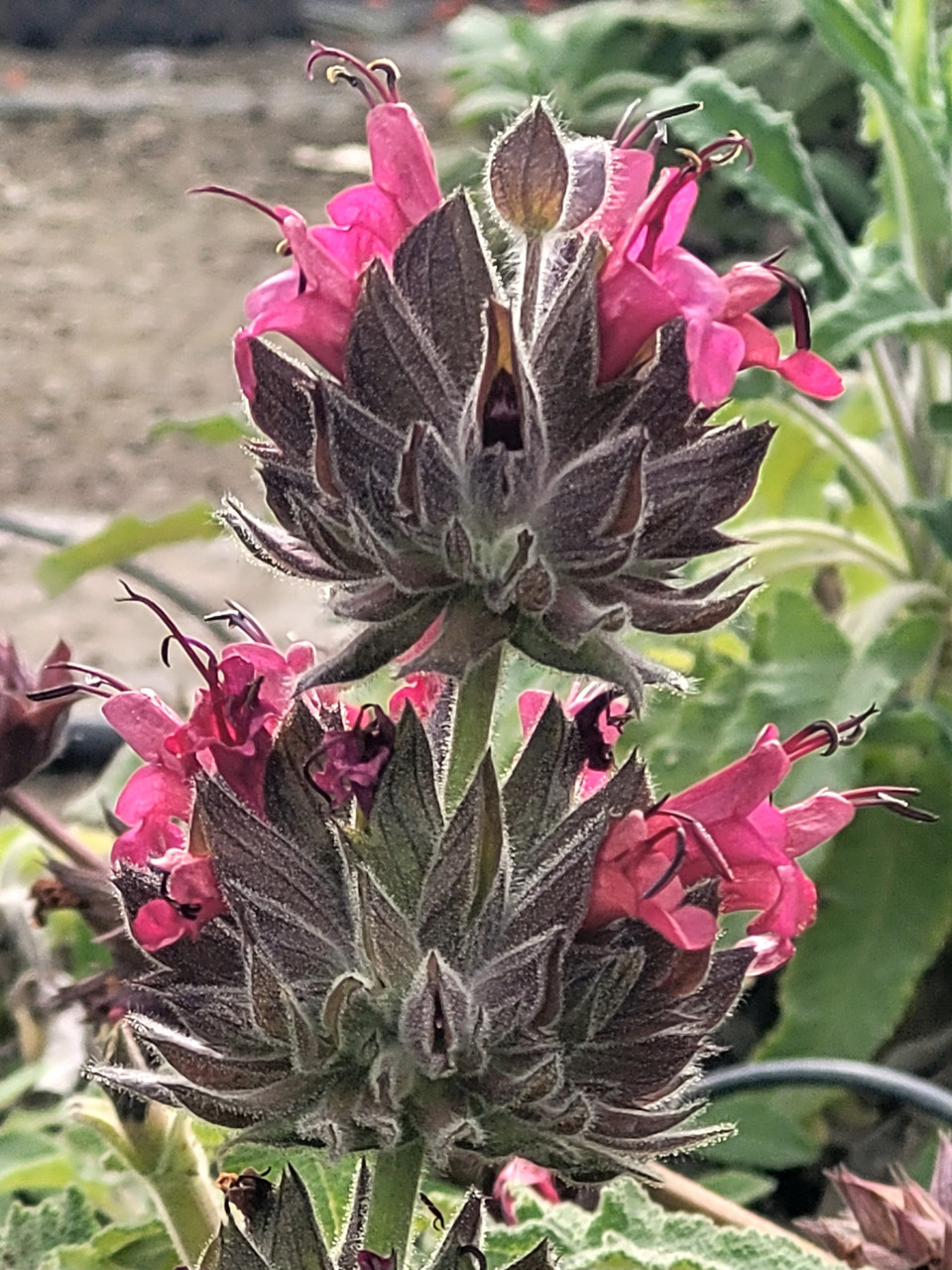

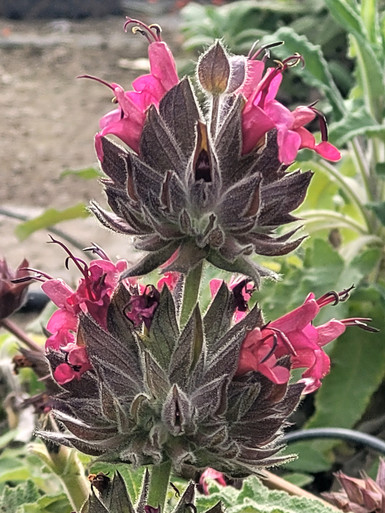

If you’re designing a lush, low-water, California-native garden (especially under trees or partial shade), Salvia spathacea—commonly called hummingbird sage—is one of the best plants you can use. It brings fragrance, pollinators, and soft groundcover texture all in one.
🌼 Quick Facts (at a glance)
Botanical name: Salvia spathacea
Common name: Hummingbird sage
Plant type: Evergreen perennial (semi-evergreen in colder spots)
Native to: Coastal California
USDA zones: 8–11 (perfect for Bay Area / 94022)
Height: 1–3 ft (flowers can reach 4 ft)
Spread: 3–8+ ft (forms colonies over time)
Light: Part shade → full shade (tolerates some sun)
Water: Low once established
Bloom time: Spring to early summer
Wildlife: Hummingbirds, bees, native pollinators
🌿 Why It’s So Popular
1. Thrives in Part Shade 🌳
Unlike most salvias, this one loves dappled light—ideal under:
Japanese maples
Oaks / redwoods
Pergola-filtered light
👉 This makes it gold for Bay Area gardens where full sun is limited.
2. Spreads into a Lush Groundcover
Grows via rhizomes (underground stems)
Slowly creates a soft, dense carpet
Helps suppress weeds naturally
3. Incredible Fragrance 🌸
Leaves smell earthy, fruity, slightly musky
Fragrance intensifies in warm weather or after watering
One of the most aromatic California natives
4. Hummingbird Magnet 🐦
The magenta-pink flower spikes:
Are rich in nectar
Bloom when many other shade plants don’t
Attract hummingbirds consistently
🌱 Growing Conditions (what it really wants)
☀️ Light
Best: Part shade / filtered light
Can handle:
Morning sun ✅
Light coastal sun ✅
Avoid:
Harsh afternoon inland sun ❌
💧 Water
Establishment (first year): moderate watering
After that: low water
⚠️ Overwatering = root rot risk
🌱 Soil
Prefers:
Well-draining soil
Slightly acidic to neutral
Tolerates:
Clay (if amended)
💡 Under trees, it actually performs beautifully with leaf litter.
🌸 Bloom & Seasonal Behavior
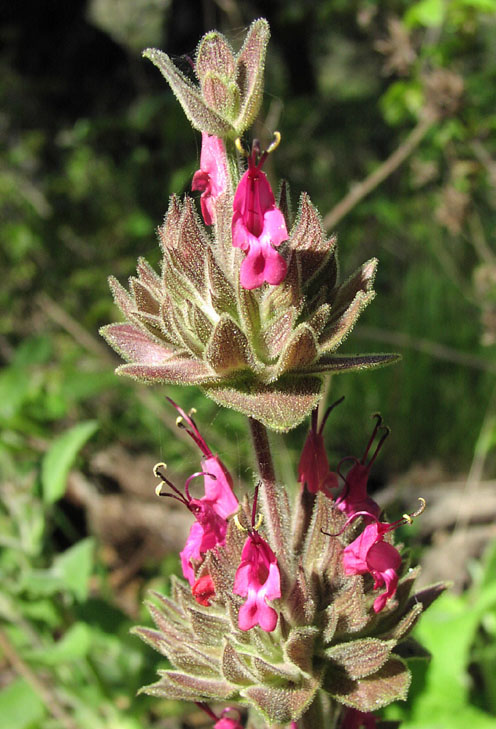


Spring: lush growth + flowering spikes
Early summer: peak bloom
Late summer: may go slightly dormant (especially inland)
Fall/Winter: foliage rebounds with rain
👉 Totally normal if it looks “tired” in late summer—don’t overwater trying to fix it.
✂️ Maintenance (very low effort)
Pruning
Remove spent flower stalks after bloom
Light cleanup in late fall
Fertilizing
Usually not needed
Optional: light compost in winter
Controlling Spread
Can spread aggressively in ideal conditions
Easy to:
Divide
Pull runners
🌿 Landscape Uses (this is where it shines)
Perfect for:
Woodland gardens
Understory planting
Native landscapes
Pollinator gardens
Slope stabilization
Design ideas:
Around circular pavers → natural edge spillover
Mixed with:
Heuchera
Ferns
Iris douglasiana
Garrya elliptica (background structure)
⚠️ Common Problems (and fixes)
| Issue | Cause | Fix |
|---|---|---|
| Yellowing leaves | Overwatering | Reduce irrigation |
| Leggy growth | Too much shade | Add filtered light |
| No flowers | Too much water or deep shade | Adjust watering/light |
| Summer dieback | Normal dormancy | Do nothing |
🐾 Deer, Rabbits, and Pests
Deer resistant: ✅
Rabbit resistant: Mostly ✅ (aromatic leaves deter them)
Snails/slugs: Rare issue
🌱 How Fast Does It Grow?
Year 1: Establishes roots
Year 2: Starts spreading
Year 3+: Forms large colonies
💡 Can cover 4–6 feet wide over time in ideal conditions.
🌟 Key Takeaways
One of the best shade-tolerant California natives
Extremely low water + low maintenance
Spreads into a lush, natural groundcover
Supports pollinators + hummingbirds
Comments
Post a Comment