🌿 Podocarpus
🌿 Podocarpus: The Evergreen That Brings Calm, Structure, and Versatility


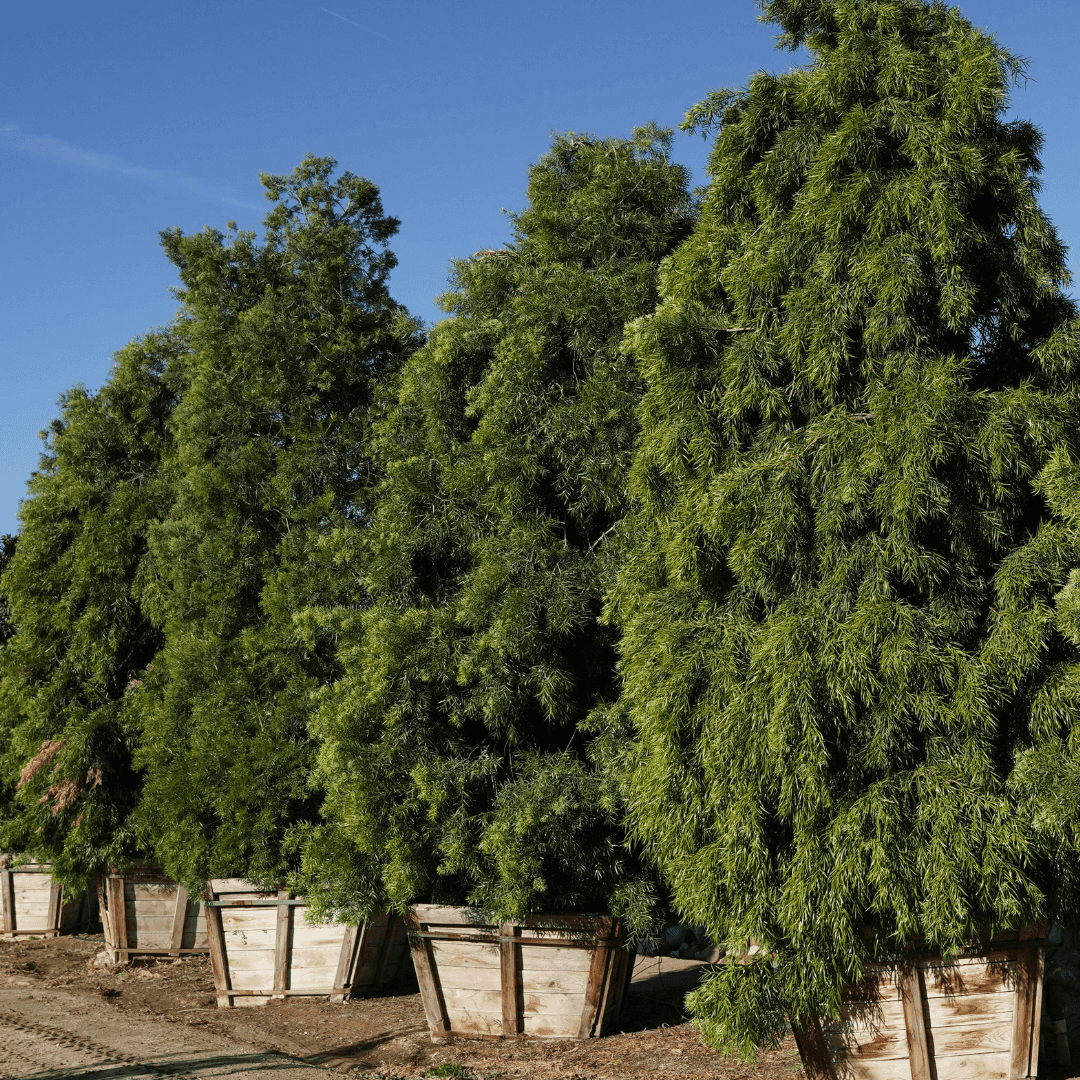
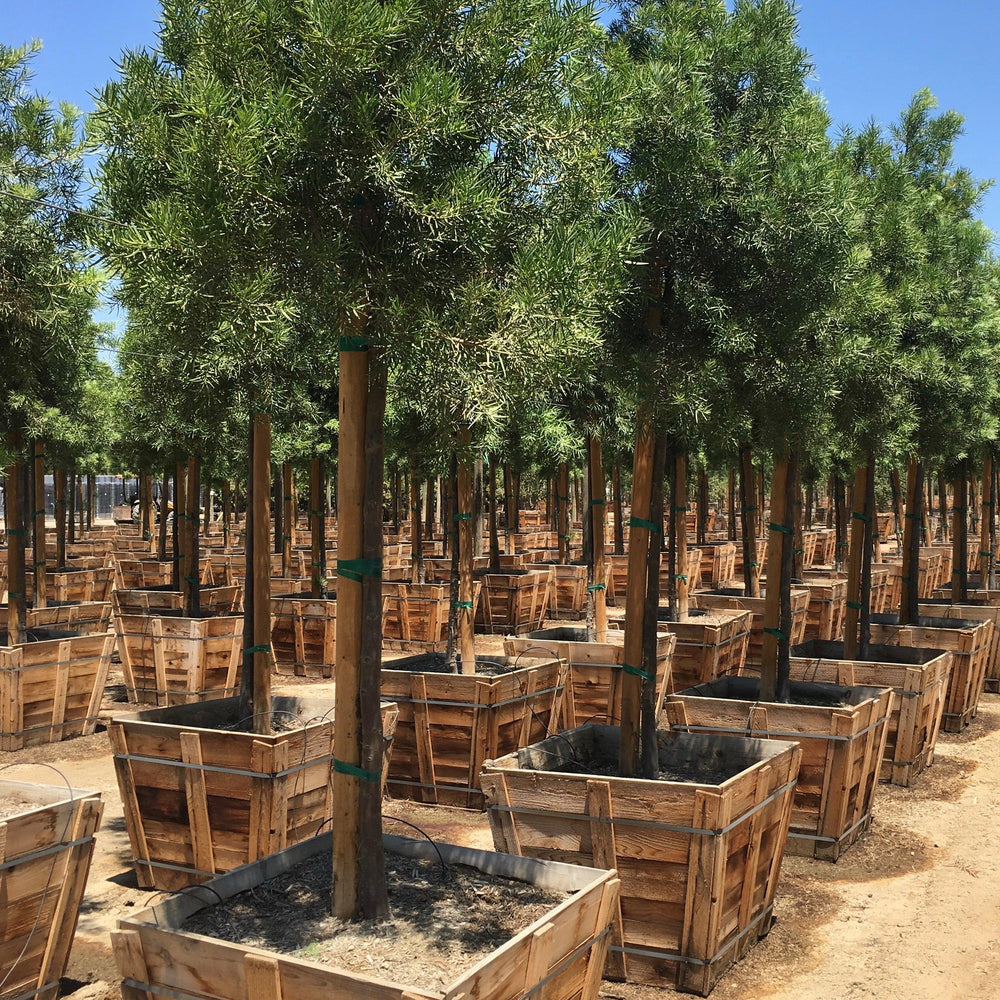
If you want a plant that feels clean, architectural, and effortlessly refined, Podocarpus is one of the most versatile choices you can make.
Often called Japanese yew pine, this evergreen isn’t a true pine at all—but it delivers the same structure and longevity, with a softer, more adaptable presence in the garden.
🌼 Quick Facts
Botanical name: Podocarpus macrophyllus
Common name: Podocarpus, Japanese yew pine
Plant type: Evergreen shrub or small tree
Native to: Japan, China
USDA zones: 8–11
Height: 10–40 ft (can be kept smaller)
Width: 6–15 ft
Light: Full sun → part shade
Water: Low to moderate
Growth rate: Moderate
🌿 Why Podocarpus Is So Widely Used
1. Clean, Architectural Form 🌿
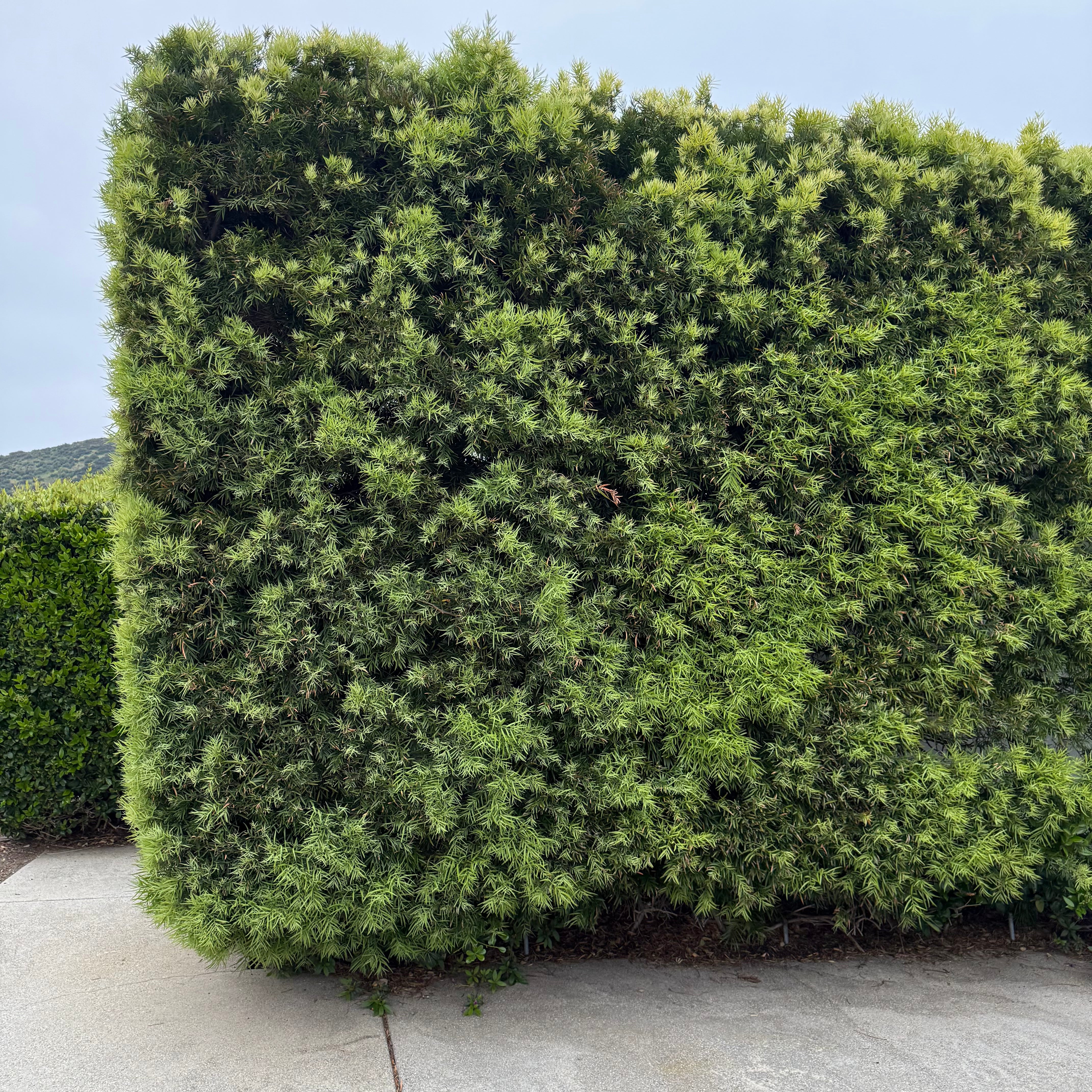


Naturally upright and dense
Fine, needle-like foliage
Can be shaped into:
Hedges
Columns
Topiary
👉 It creates a calm, structured backdrop without feeling heavy.
2. Extremely Versatile 🌱
Podocarpus can be grown as:
A privacy hedge
A small tree
A container plant
A sculptural feature
👉 Few plants adapt to as many design roles.
3. Evergreen Reliability 🌳
Keeps its color year-round
Deep green foliage
Maintains structure in all seasons
👉 Provides consistency and stability in a garden.
🌱 Growing Conditions
☀️ Light
Best:
Full sun → dense growth
Tolerates:
Part shade
👉 More sun = tighter, fuller form.
💧 Water
Establishment: Regular watering
Mature:
👉 Low to moderate water
👉 Fairly drought-tolerant once established.
🌱 Soil
Prefers:
Well-draining soil
Tolerates:
Clay
Sandy soils
👉 Very adaptable.
✂️ Care & Maintenance
Pruning (This is where it shines ✂️)
Responds extremely well to trimming
Can be:
Formal and clipped
Left natural
👉 One of the easiest plants to shape.
Fertilizing
Minimal needs
Light feeding if growth is slow
Growth Habit
Upright and dense
Can be kept narrow or allowed to spread
🌿 Landscape Uses
🌿 Privacy Screen
One of the best alternatives to:
Ficus
Boxwood
👉 Cleaner, more controlled look.
🌳 Small Tree Form
Can be trained into:
Multi-trunk specimen
Great for:
Entryways
Courtyards
🌿 Modern & Minimalist Gardens
Perfect for:
Clean lines
Structured layouts
🌿 Containers
Works beautifully in:
Large pots
Ideal for patios
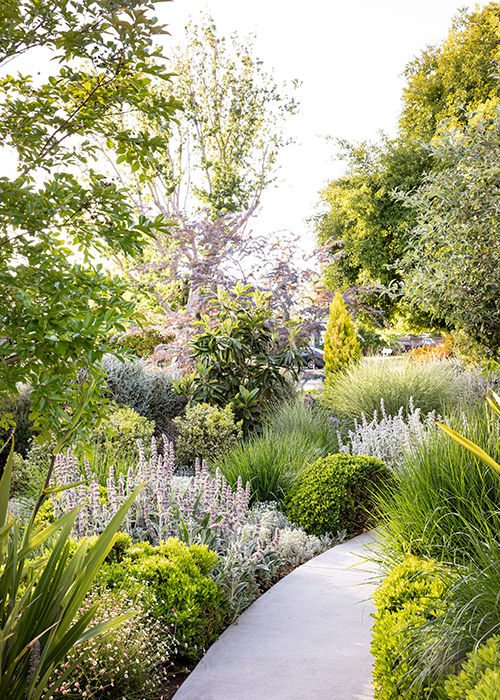
🌿 Fresh Pairing Ideas
To complement Podocarpus’ clean structure:
🌿 For soft contrast
Pennisetum (fountain grass) → flowing movement
Gaura lindheimeri → airy, floating flowers
🌸 For color layering
Agapanthus → bold summer blooms
Salvia ‘Mystic Spires’ → vertical color
🌿 For texture contrast
Phormium → strappy, architectural foliage
Lomandra → soft, grassy mounds
🌼 For seasonal interest
Tulbaghia (society garlic) → light purple flowers
Dietes (African iris) → subtle blooms
👉 These combinations create a balanced, structured planting softened by movement and seasonal color.
⚠️ Things to Know
Can grow tall if not pruned
Dense growth requires occasional thinning
Generally pest-resistant
🌿 How Fast Does It Grow?
Moderate growth rate
Can establish a hedge in:
3–5 years
💡 Faster with regular water during establishment.
🌟 Key Takeaways
One of the most versatile evergreen plants
Provides year-round structure and clean lines
Excellent for:
Hedges
Screens
Topiary
Thrives in:
Sun to part shade
Low to moderate water
🌿 Final Thoughts
Podocarpus is the quiet backbone of a well-designed garden.
It doesn’t compete for attention—but it makes everything else look better.
It brings:
Order
Balance
A sense of calm
into the landscape.
If your garden needs:
Structure
Privacy
A clean, cohesive look
Podocarpus is one of the most reliable—and elegant—choices you can make.
Comments
Post a Comment