🌿 Plectranthus
🌿 Plectranthus: The Versatile Foliage Plant That Thrives Where Others Struggle
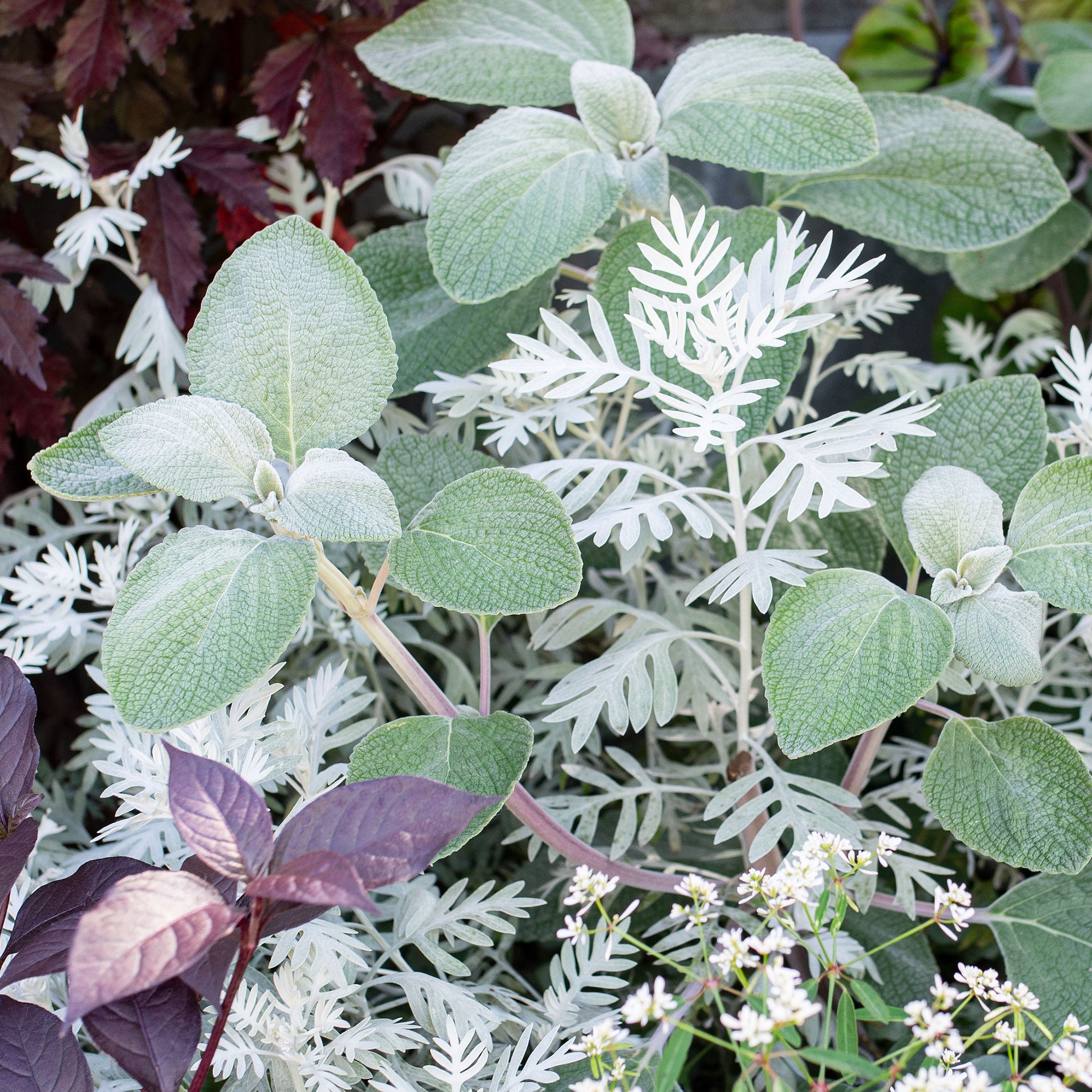
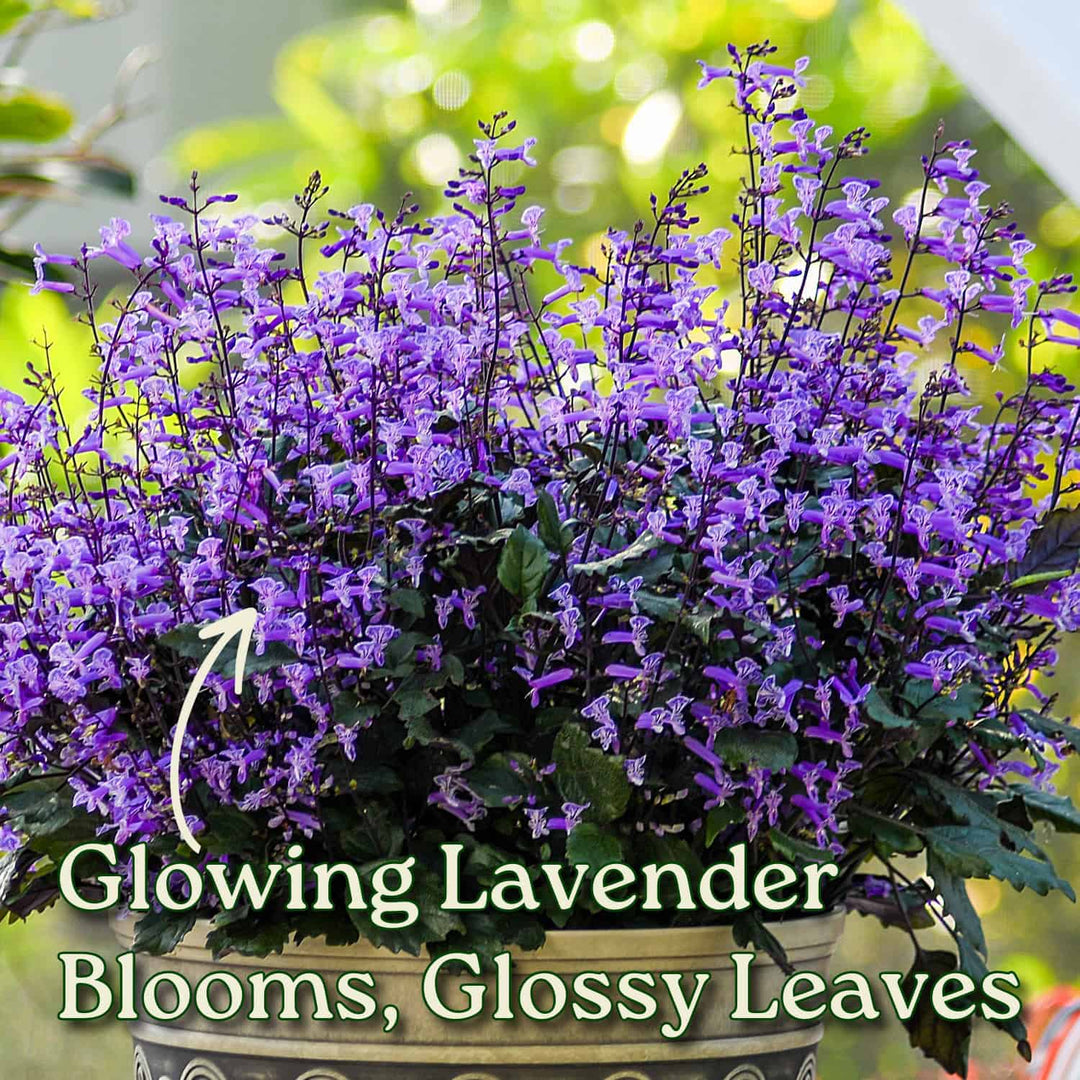
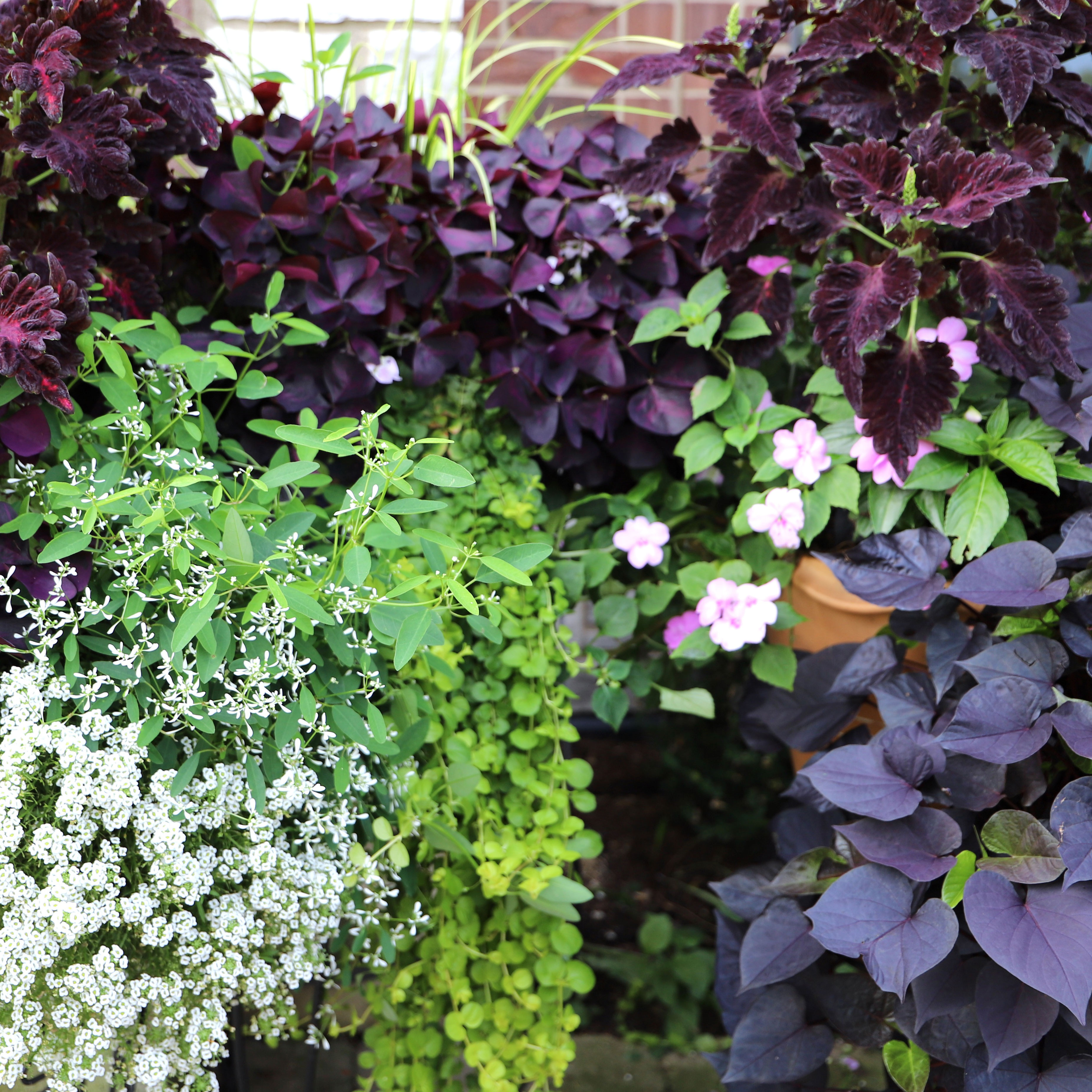

If you want a plant that offers lush foliage, adaptability, and year-round presence in mild climates, Plectranthus is an incredibly useful—yet often underappreciated—choice.
With varieties ranging from silvery, trailing groundcovers to upright flowering shrubs, Plectranthus brings texture, softness, and resilience to both garden beds and containers.
🌼 Quick Facts
Botanical name: Plectranthus spp.
Common name: Spurflower, Swedish ivy (some types)
Plant type: Tender perennial
Native to: Africa, Asia, Australia
USDA zones: 9–11
Height: 6 inches → 3 ft (varies by type)
Width: Spreading to trailing
Light: Part shade → bright shade
Water: Moderate
Bloom time: Late summer → fall (some varieties)
🌿 Why Plectranthus Is So Useful
1. Incredible Variety in One Genus 🌿

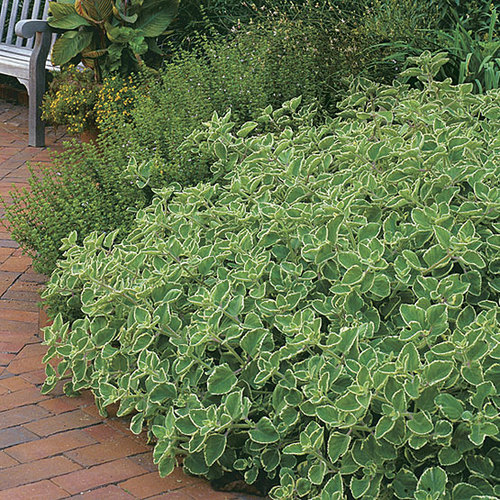

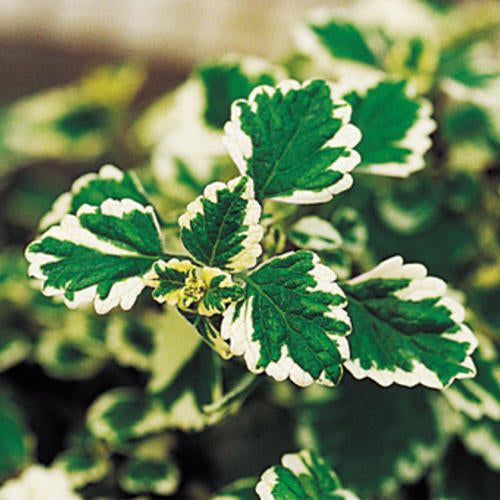
Plectranthus includes:
Upright shrubs
Trailing groundcovers
Silvery foliage plants
Flowering varieties
👉 A single genus that can fill multiple roles in a garden.
2. Thrives in Shade 🌳
Performs best in:
Part shade
Bright shade
👉 Ideal for:
Under trees
Covered patios
Shaded borders
3. Soft, Textural Foliage ✨
Leaves can be:
Velvety
Glossy
Variegated
Silver-toned
👉 Adds depth and layering without relying on flowers.
4. Fast Growth, Easy Impact 🌿
Quick to establish
Fills space rapidly
👉 Great for:
Containers
Seasonal refresh
Groundcover
🌱 Popular Types
🌿 Plectranthus argentatus
Silvery, velvety foliage
Upright, shrubby form
Excellent contrast plant
🌸 ‘Mona Lavender’
Purple flowers
Dark green leaves with purple undersides
Blooms in fall
🌿 Plectranthus verticillatus (Swedish ivy)
Trailing habit
Great for containers and hanging baskets
🌿 Variegated forms
Green and white foliage
Brightens shaded areas
🌱 Growing Conditions
☀️ Light
Best:
Part shade → bright shade
Tolerates:
Gentle morning sun
👉 Avoid harsh afternoon sun.
💧 Water
Needs:
Regular watering
Soil should stay:
Evenly moist
⚠️ Avoid letting soil dry out completely.
🌱 Soil
Prefers:
Rich, well-draining soil
Benefits from:
Organic matter
✂️ Care & Maintenance
Pruning
Pinch or trim regularly
Encourages:
Bushier growth
Better shape
Feeding
Light feeding during growing season
Overwintering
Can be grown:
Indoors in colder climates
Sensitive to frost
🌿 Growth Habit
Fast-growing
Can be:
Upright
Spreading
Cascading
💡 Extremely flexible in design.
🌿 Landscape Uses
🌿 Shade Borders
Adds texture and fullness
🌸 Containers & Hanging Baskets
Excellent spiller plant
🌿 Groundcover
Some varieties spread nicely
🌿 Accent Plant
Great for:
Contrasting foliage
Softening edges
🌿 Fresh Pairing Ideas
To complement Plectranthus’ soft foliage and adaptability:
🌿 For bold contrast
Begonia (rex types) → dramatic leaf patterns
Colocasia → large tropical leaves
🌸 For color layering
Impatiens → bright shade blooms
Fuchsia → pendant flowers
🌿 For texture interplay
Asplenium (bird’s nest fern) → sculptural form
Hakonechloa macra → flowing grass
🌼 For seasonal interest
Caladium → colorful foliage
Cyclamen → cool-season blooms
👉 These combinations create a lush, layered shade planting with rich texture and continuous interest.
⚠️ Things to Know
Sensitive to frost
Can become leggy without pruning
Needs consistent moisture
🌿 How Fast Does It Grow?
Fast-growing
Fills out in:
weeks to months
💡 Great for quick transformation.
🌟 Key Takeaways
Highly versatile foliage plant with many forms
Thrives in:
Shade
Moist, well-drained soil
Adds:
Texture
Softness
Contrast
Ideal for:
Containers
Shade borders
Groundcover
🌿 Final Thoughts
Plectranthus is one of those plants that quietly solves problems.
It fills:
Empty spaces
Shaded corners
Containers that need life
with ease.
It brings:
Softness
Texture
A sense of fullness
into the garden—without demanding attention.
If your space needs something that feels:
Lush
Adaptable
Effortlessly put together
Plectranthus is one of the most useful plants you can add.
Comments
Post a Comment