💜 Nepeta ‘Walker’s Low’
💜 Nepeta ‘Walker’s Low’: The Effortless Perennial That Just Keeps Blooming


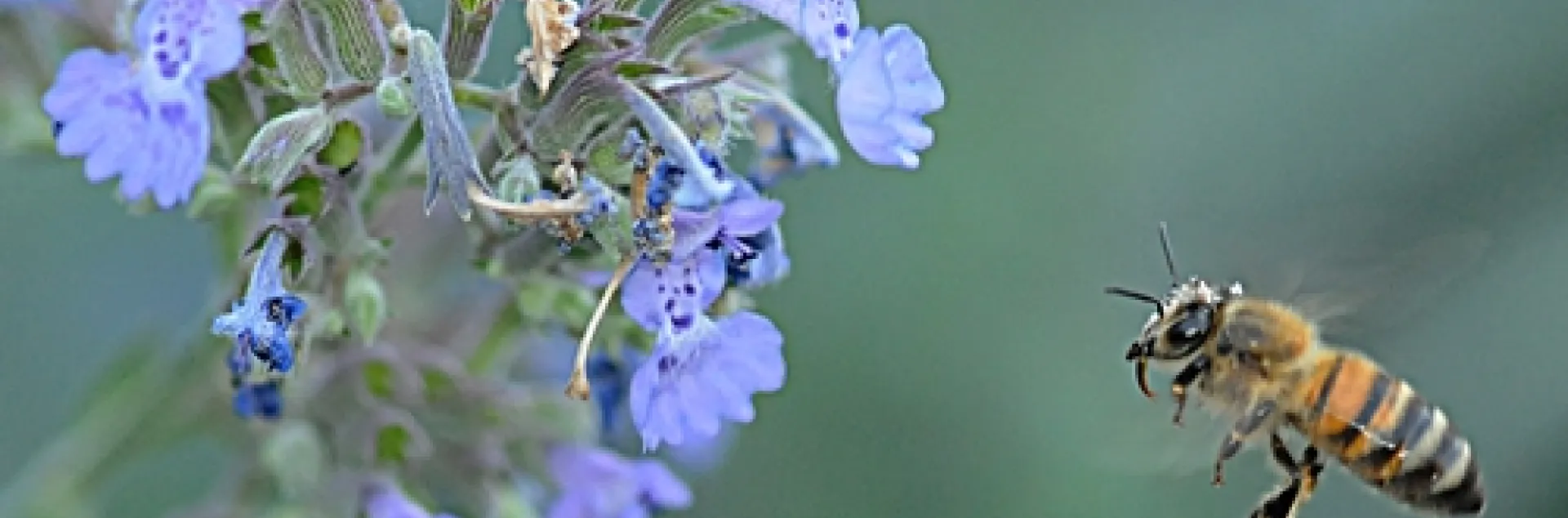

If you want a plant that delivers months of color, soft movement, and almost zero fuss, Nepeta ‘Walker’s Low’ (catmint) is one of the most reliable perennials you can grow.
It’s the kind of plant that quietly overperforms—spilling gracefully over edges, attracting pollinators, and blooming far longer than most flowers in its class.
🌼 Quick Facts
Botanical name: Nepeta ‘Walker’s Low’
Common name: Catmint
Plant type: Herbaceous perennial
USDA zones: 4–9
Height: 18–24 inches
Width: 2–3 ft
Light: Full sun → light shade
Water: Low
Bloom time: Late spring → fall (with rebloom)
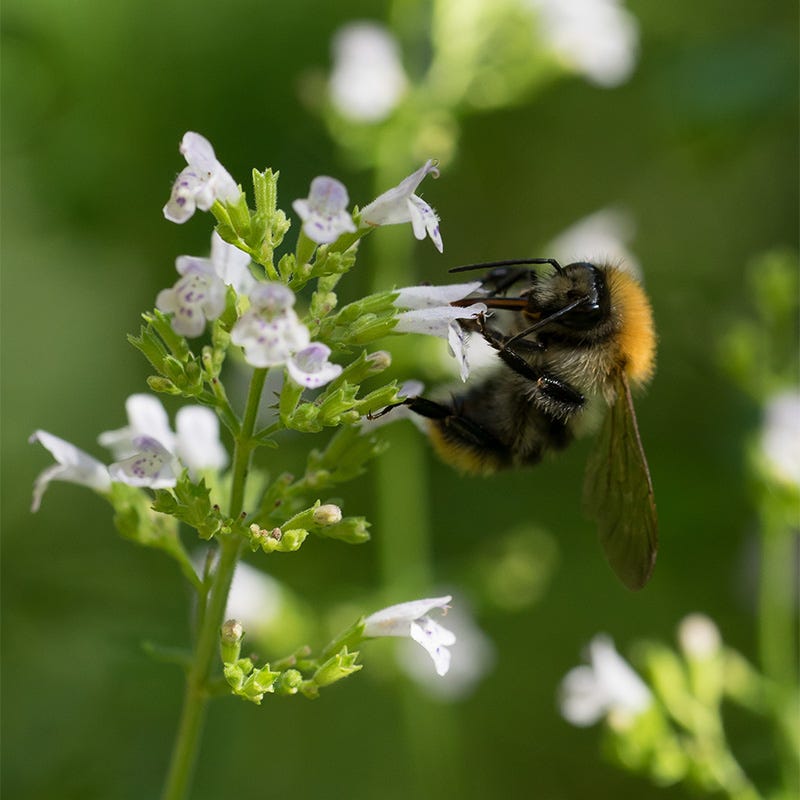
Wildlife: Bees, butterflies, pollinators
🌿 Why ‘Walker’s Low’ Is So Popular
1. Long, Reliable Bloom Season 🌸
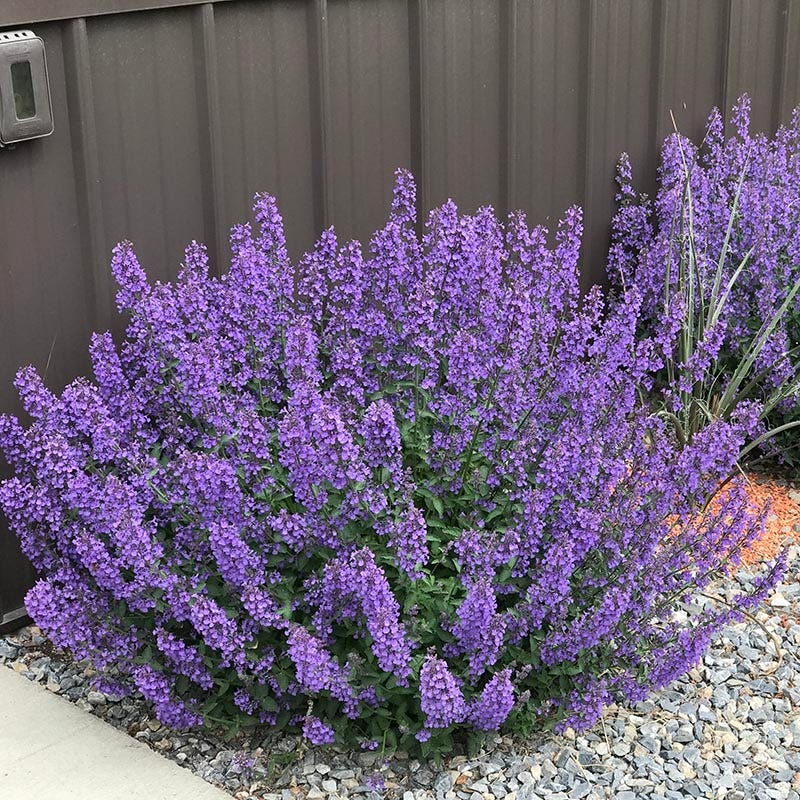
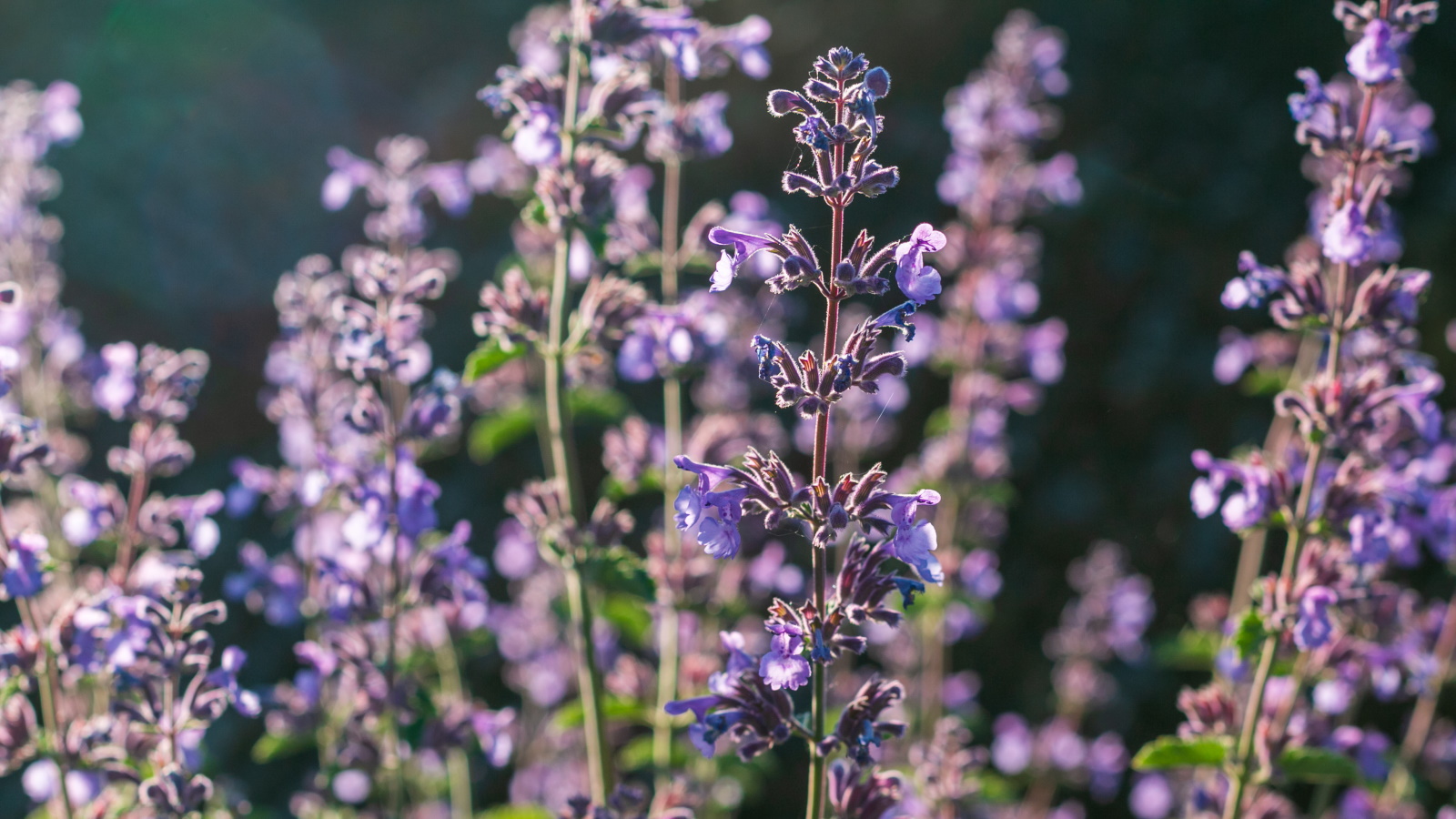

Blooms heavily in late spring
Rebloom continues into summer and fall
Responds well to cutting back
👉 One of the longest-blooming perennials available.
2. Soft, Flowing Habit 🌿
Forms low, mounding clumps
Stems arch and spill outward
👉 Perfect for:
Softening edges
Blending plantings
3. Extremely Low Maintenance ☀️
Drought-tolerant once established
Rarely bothered by pests or disease
Deer and rabbit resistant
👉 A true plant-it-and-forget-it perennial.
🌱 Growing Conditions
☀️ Light
Best:
Full sun for maximum blooms
Tolerates:
Light shade
💧 Water
Establishment: Regular watering
Mature:
👉 Low water
👉 Thrives in dry conditions.
🌱 Soil
Prefers:
Well-draining soil
Tolerates:
Poor, sandy soil
👉 Avoid heavy, soggy conditions.
✂️ Care & Maintenance
Cut Back for Rebloom ✂️
After first bloom flush:
Cut plant back by ~1/3
👉 Encourages:
Fresh growth
Second bloom cycle
General Care
Minimal pruning needed
No staking required
Fertilizing
Not necessary
Too much fertilizer reduces flowering
🌿 Growth Habit
Forms wide, spreading mounds
Fills space beautifully
Non-invasive and easy to manage
💡 Great for covering gaps without taking over.
🌿 Landscape Uses
🌿 Edging & Pathways
Softens:
Hard edges
Walkways
🌸 Mass Planting
Creates a haze of lavender-blue color
🌿 Cottage & Naturalistic Gardens
Blends seamlessly into:
Informal plantings
🌿 Pollinator Gardens
Constantly attracts:
Bees
Butterflies
🌿 Fresh Pairing Ideas
To complement its soft purple tones and flowing habit:
🌿 For strong vertical contrast
Salvia ‘Caradonna’ → upright, deep purple spikes
Veronicastrum → tall, airy verticals
🌸 For color contrast
Achillea ‘Moonshine’ → soft yellow
Coreopsis ‘Zagreb’ → bright golden tones
🌿 For texture layering
Perovskia (Russian sage) → silvery, airy structure
Stachys byzantina → soft, fuzzy foliage
🌼 For seasonal rhythm
Allium → early architectural blooms
Echinacea → summer color continuation
👉 These combinations create a layered, long-blooming border with movement and contrast.
⚠️ Things to Know
May flop slightly in rich soil
Benefits from periodic trimming
Fragrant foliage (minty scent)
🌿 How Fast Does It Grow?
Fast-growing
Fills out in:
one season
💡 Quickly creates a full, lush look.
🌟 Key Takeaways
One of the best long-blooming, low-maintenance perennials
Provides:
Soft texture
Continuous color
Pollinator support
Thrives in:
Full sun
Low water
Ideal for:
Edging
Mass planting
Informal borders
🌿 Final Thoughts
‘Walker’s Low’ is the kind of plant that makes gardening feel easy.
It doesn’t demand attention—it simply delivers:
Color
Movement
Life
for months on end.
If you want a garden that feels:
Relaxed
Flowing
Always a little bit in bloom
This is one of those plants you’ll plant once—and then wonder how you ever gardened without it.
Comments
Post a Comment