Mexican Salvia (Salvia leucantha)
💜 Mexican Salvia (Salvia leucantha): Velvet Spikes for Late-Season Drama
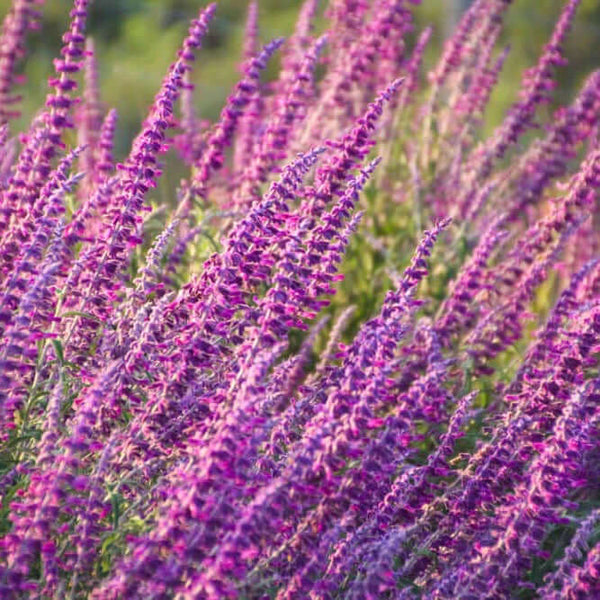

If your garden fades a little as summer ends, Mexican salvia (Salvia leucantha, also called Mexican bush sage) is the plant that brings it roaring back.
With its long, velvety flower spikes in rich purple and silver, it delivers one of the most dramatic displays of the year—right when many plants are slowing down.
🌼 Quick Facts
Botanical name: Salvia leucantha
Common name: Mexican bush sage, Mexican salvia
Plant type: Perennial (semi-evergreen in mild climates)
Native to: Mexico
USDA zones: 8–11
Height: 3–5 ft
Width: 4–6 ft
Light: Full sun
Water: Low to moderate
Bloom time: Late summer → fall
Wildlife: Hummingbirds, bees
🌿 Why Mexican Salvia is a Garden Favorite
1. Late-Season Showstopper 🌸


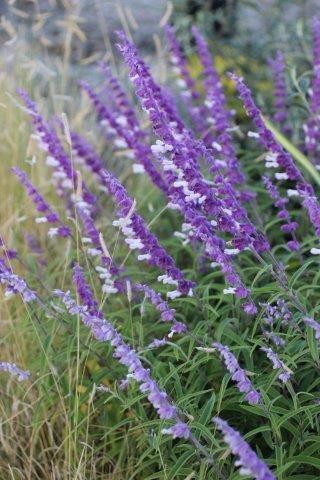

When most of the garden is winding down:
Mexican salvia bursts into bloom
Produces:
Long, arching flower spikes
Rich purple and silvery-white tones
👉 It creates a lush, flowing, almost meadow-like effect.
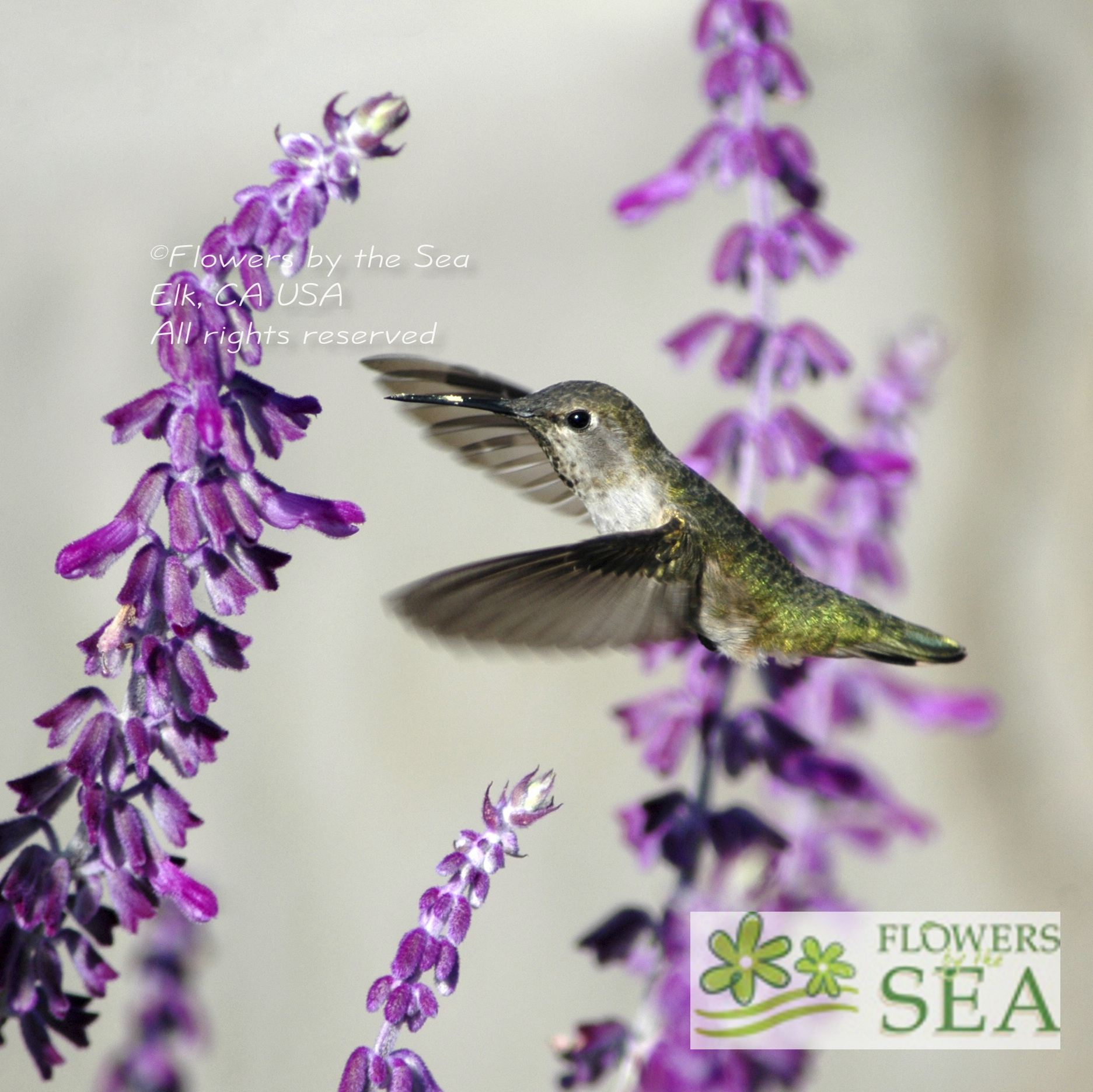
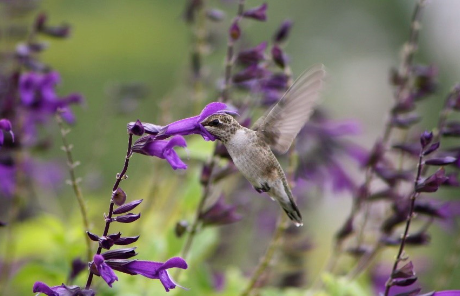
2. Irresistible to Hummingbirds 🐦
Nectar-rich flowers
Tubular shape perfect for pollinators
👉 Expect constant hummingbird activity—especially in fall.
3. Soft, Billowy Texture 🌿
Grows into:
Loose, arching mounds
Adds:
Movement
Softness
👉 Perfect for balancing more rigid or structured plants.
🌱 Growing Conditions
☀️ Light
Needs: Full sun
Minimum: 6+ hours daily
👉 Less sun = fewer blooms and floppy growth.
💧 Water
Establishment: Regular watering
Mature:
👉 Low to moderate water
💡 More water = bigger plant (but still drought-tolerant).
🌱 Soil
Prefers:
Well-draining soil
Tolerates:
Clay (if not waterlogged)
👉 Not particularly fussy.
✂️ Care & Maintenance
Pruning (Important)
Cut back hard in late winter / early spring
New growth emerges from the base
👉 Don’t worry—it comes back fast.
Fertilizing
Not necessary
Light compost in spring is enough
Growth Habit
Fast-growing
Can get large and wide in one season
💡 Give it space—it likes to spread.
🌿 Landscape Uses
🌸 Mass Planting
Stunning when planted in groups
Creates a wave of color and texture
🌿 Back of Border
Great for:
Filling space
Adding height and movement
🌿 Informal / Naturalistic Gardens
Works beautifully in:
Loose, layered designs
🌿 Plant Pairing Ideas
To complement its bold purple and soft texture:
🌿 For strong contrast (structure vs softness)
Kniphofia (red hot poker) → upright, fiery spikes
Cordyline australis → architectural height
🌸 For color harmony
Cosmos (white or pink) → airy, floating flowers
Gaillardia → warm red/orange contrast
🌿 For texture play
Pennisetum ‘Karley Rose’ → soft grass plumes
Artemisia ‘Powis Castle’ → silvery, feathery foliage
🌼 For extended seasonal interest
Rudbeckia → late summer yellow
Aster → fall purple-blue layering
👉 These combinations create a dynamic, late-season garden that feels full and alive.
⚠️ Common Problems
| Issue | Cause | Fix |
|---|---|---|
| Floppy stems | Too much shade | Increase sun |
| Weak flowering | Overfertilizing | Reduce feeding |
| Sparse growth | Not cut back | Prune hard annually |
🌿 How Fast Does It Grow?
Fast-growing
Reaches full size in:
one season
💡 One of the quickest ways to fill space with impact.
🌟 Key Takeaways
One of the best fall-blooming perennials
Attracts hummingbirds and pollinators
Adds movement, softness, and color
Easy to grow with:
Full sun
Moderate water
Annual pruning
🌿 Final Thoughts
Mexican salvia is pure energy at the end of the season.
Just when the garden starts to quiet down, it steps in with:
Color
Movement
Life
It doesn’t try to be delicate or restrained—it spills, sways, and fills space with confidence.
If you want a garden that doesn’t fade in fall—but instead builds to a finale—this is one of the best plants you can grow.
Comments
Post a Comment