Mahonia (Oregon Grape)
🌿 Mahonia (Oregon Grape): Evergreen Structure with Winter Spark

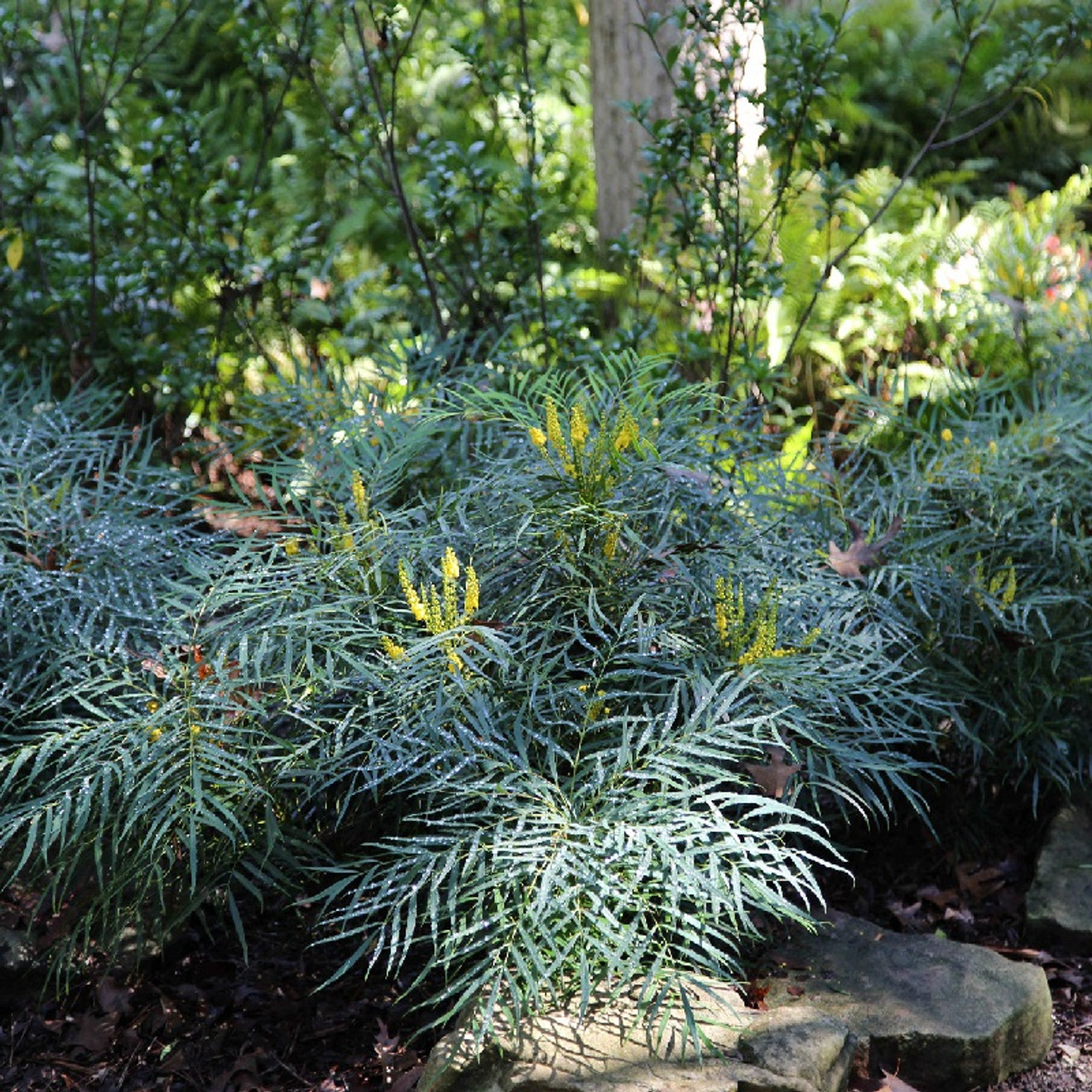
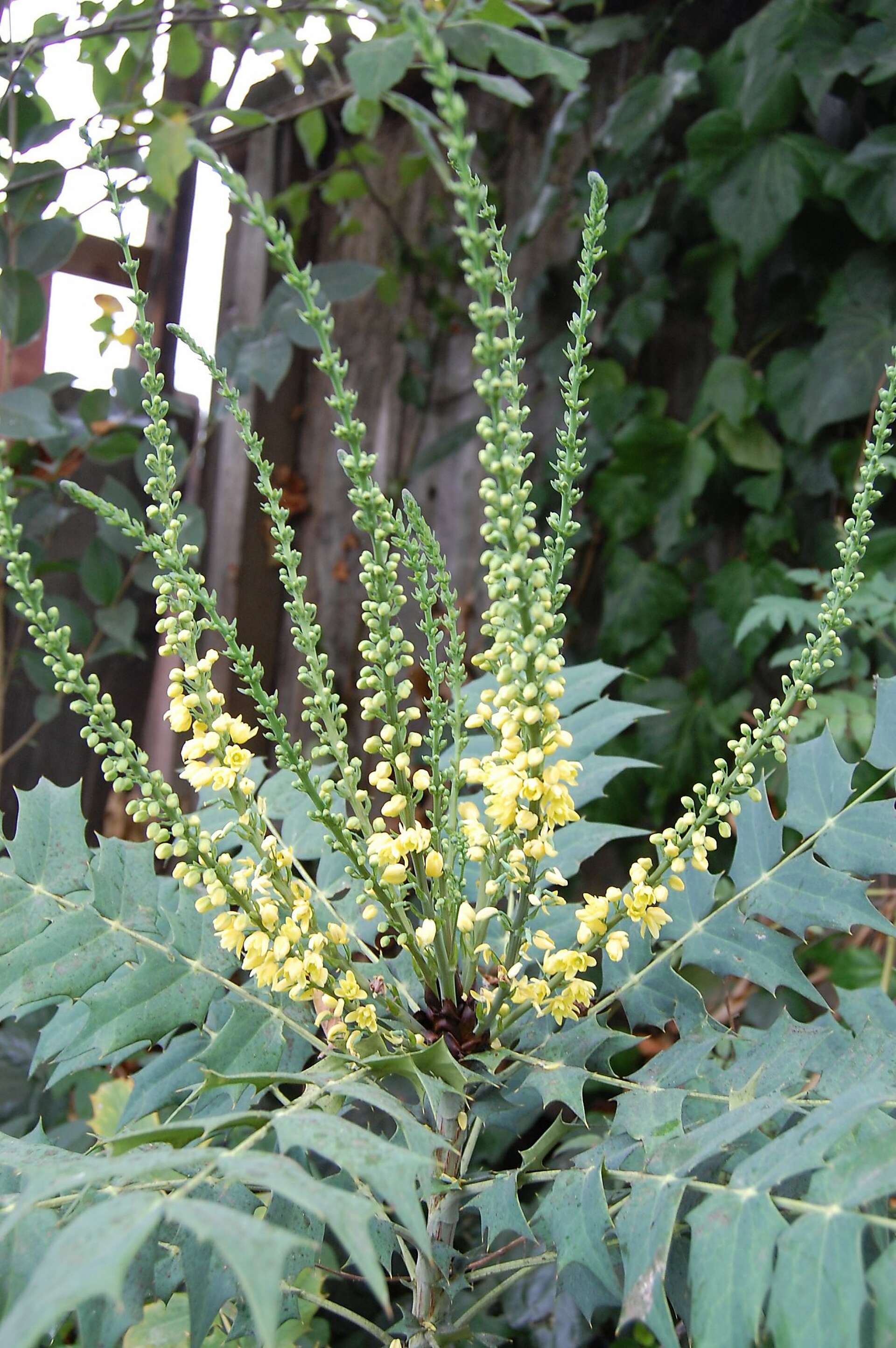
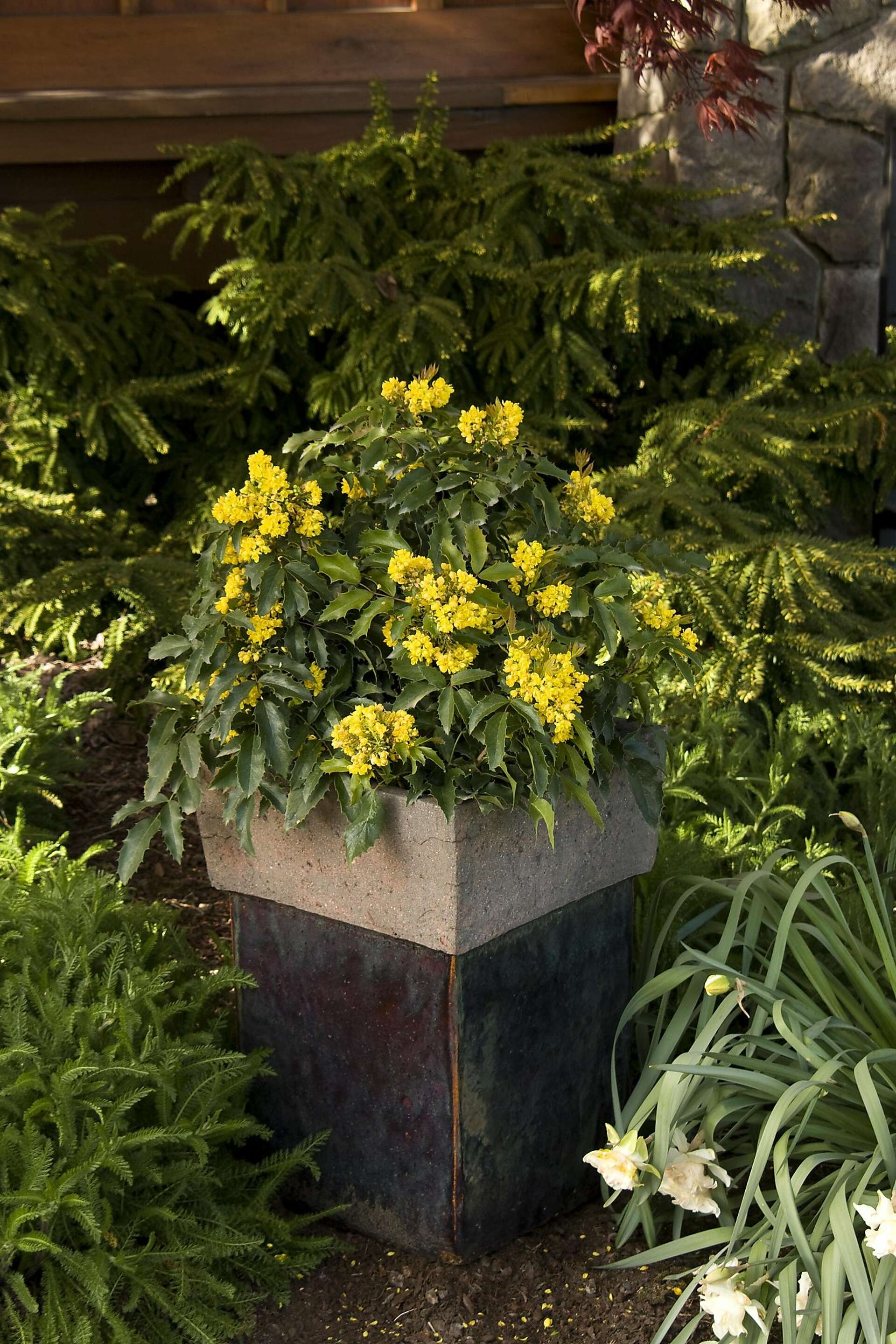
If you want a plant that brings structure, shine, and unexpected winter color, Mahonia—commonly called Oregon grape—is a standout choice.
With its bold, architectural foliage, fragrant yellow flowers in winter, and blue berries, Mahonia delivers interest when most of the garden is quiet.
🌼 Quick Facts
Botanical name: Mahonia spp.
Common name: Oregon grape
Plant type: Evergreen shrub
Native to: Western North America & Asia (varies by species)
USDA zones: 5–10 (depends on type)
Height: 2–10 ft (varies widely)
Width: 3–8 ft
Light: Part shade → full shade
Water: Low to moderate
Bloom time: Late fall → winter → early spring
Wildlife: Pollinators, birds
🌿 Why Mahonia Stands Out
1. Winter Flowers When You Least Expect Them 🌼
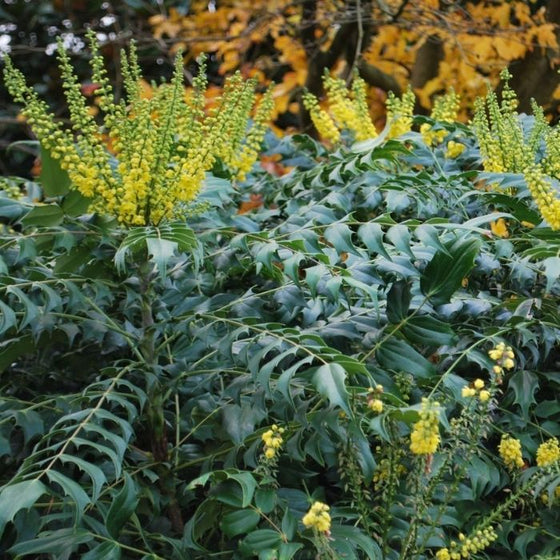

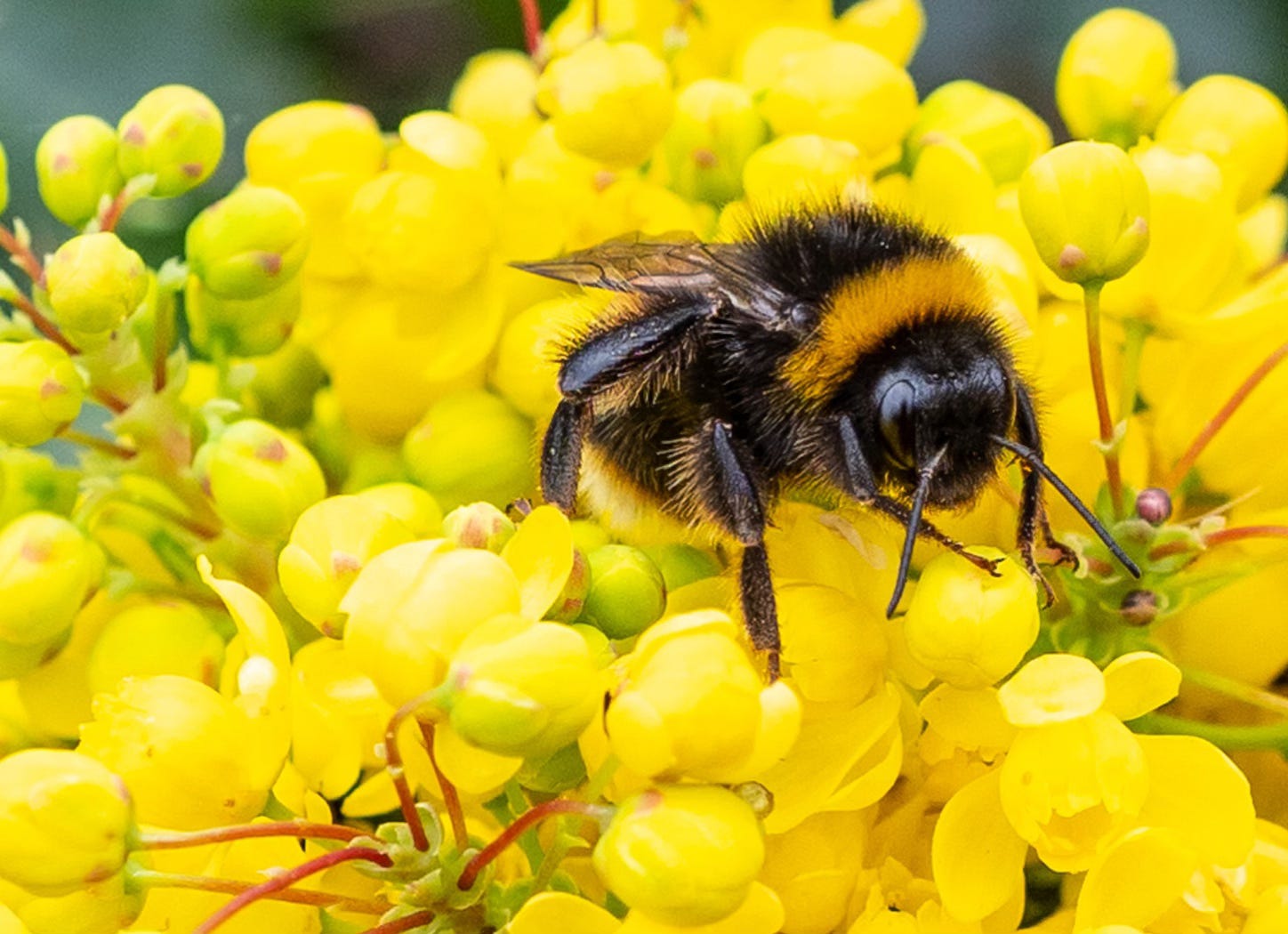
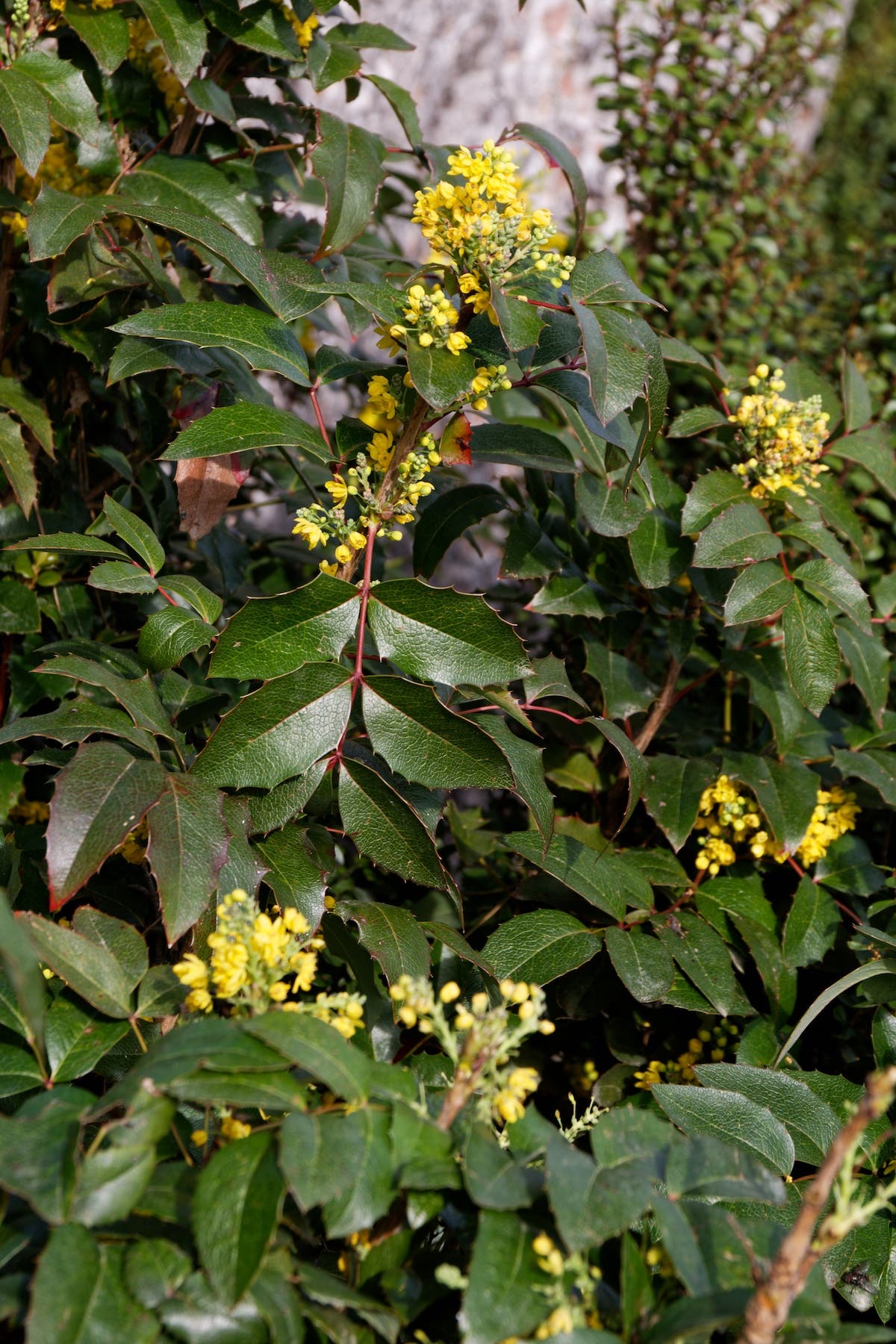
Mahonia blooms when very little else does:
Clusters of bright yellow flowers
Often lightly fragrant
Bloom in:
Late fall
Winter
Early spring
👉 A rare and valuable off-season bloomer.
2. Bold Evergreen Foliage 🌿
Glossy, spiny leaves (holly-like in some types)
Deep green color
Strong, upright or arching form
👉 Provides year-round structure and presence.
3. Blue Berries for Seasonal Interest 🔵
Follow flowering in spring
Dusty blue, grape-like clusters
👉 Loved by birds and adds another layer of interest.
🌱 Popular Types
🌿 Mahonia aquifolium (Oregon grape)
Native to western U.S.
Compact, hardy
Spiny leaves
🌿 Mahonia japonica
Taller, more dramatic
Long, cascading flower spikes
🌿 ‘Soft Caress’
Spineless foliage
Fine, bamboo-like texture
More refined, modern look
🌱 Growing Conditions
☀️ Light
Best:
Part shade to full shade
Tolerates:
Some sun (with adequate water)
👉 Excellent for shaded garden areas.
💧 Water
Establishment: Regular watering
Mature:
👉 Low to moderate water
👉 Fairly drought-tolerant once established.
🌱 Soil
Prefers:
Well-draining soil
Tolerates:
Clay
Poor soils
👉 Very adaptable.
✂️ Care & Maintenance
Pruning
Can be pruned:
After flowering
Remove:
Older stems to rejuvenate
Fertilizing
Minimal needs
Compost in spring is sufficient
Growth Habit
Upright or spreading depending on type
Can form colonies (some species)
🌿 Landscape Uses
🌿 Shade Gardens
One of the best shrubs for:
Under trees
North-facing areas
🌳 Structural Backdrop
Provides height and depth
🌸 Winter Interest Planting
Adds life during dormant months
🌿 Fresh Pairing Ideas
To complement Mahonia’s bold foliage and winter bloom:
🌿 For soft contrast
Dryopteris (wood fern) → feathery texture
Carex oshimensis ‘Evergold’ → arching grass-like form
🌸 For seasonal layering
Cyclamen coum → winter groundcover blooms
Snowdrops (Galanthus) → early spring accents
🌿 For foliage interplay
Podocarpus macrophyllus (pruned forms) → clean structure
Skimmia japonica → glossy leaves + berries
🌼 For color balance
Helleborus → winter flowers in muted tones
Brunnera → spring blue flowers
👉 These combinations create a rich, layered shade garden with winter and early spring interest.
⚠️ Things to Know
Some varieties have spiny leaves (choose placement carefully)
Can spread via suckers (species dependent)
Berries are ornamental—not typically eaten fresh
🌿 How Fast Does It Grow?
Moderate growth
Establishes in:
2–3 years
💡 Becomes more impressive with age.
🌟 Key Takeaways
Evergreen shrub with winter flowers and seasonal berries
Excellent for shade and low-water gardens
Provides year-round structure and interest
Works well in:
Woodland plantings
Naturalistic designs
🌿 Final Thoughts
Mahonia is a plant of quiet strength.
It doesn’t rely on showy summer blooms. Instead, it brings:
Structure
Seasonal surprise
A steady presence
into the garden all year long.
If you want a plant that:
Performs in shade
Adds winter interest
Feels grounded and reliable
Mahonia is one of the best choices you can make—and one that only improves with time.
Comments
Post a Comment