🌿 Lomandra
🌿 Lomandra: The Ultimate Low-Maintenance Grass for Modern, Drought-Tolerant Gardens
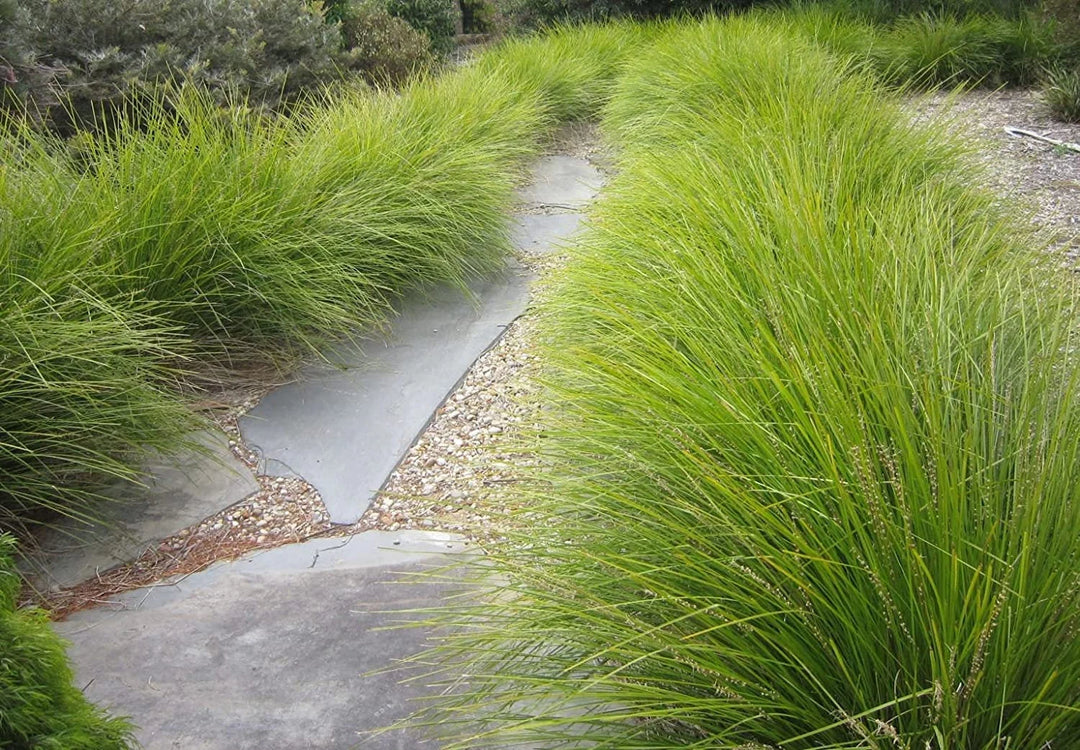


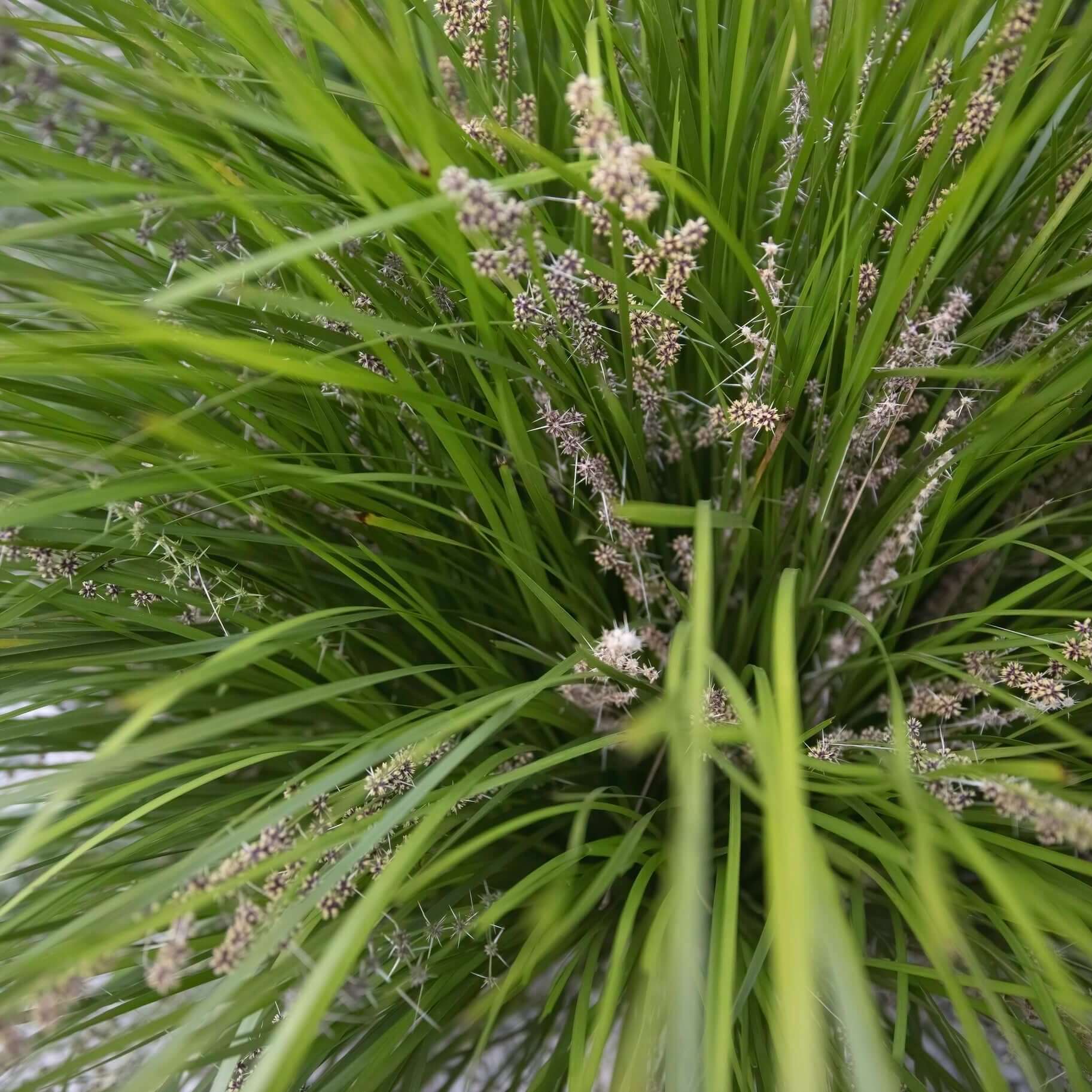
If you’re looking for a plant that delivers clean structure, year-round greenery, and near-zero maintenance, Lomandra is one of the most dependable choices you can plant.
Often mistaken for an ornamental grass, Lomandra is actually a tough, clump-forming perennial that thrives in heat, drought, and poor soil—making it a favorite in California and Mediterranean-style landscapes.
🌼 Quick Facts
Botanical name: Lomandra spp.
Common name: Lomandra, mat rush
Plant type: Evergreen perennial (grass-like)
Native to: Australia
USDA zones: 8–11
Height: 1–3 ft (varies by variety)
Width: 2–4 ft clumps
Light: Full sun → part shade
Water: Low
Bloom time: Spring (subtle flowers)
Wildlife: Low interest, deer resistant
🌿 Why Lomandra Is So Widely Used
1. Clean, Architectural Form 🌿


Forms neat, rounded clumps
Arching, strap-like leaves
Holds its shape with minimal care
👉 Perfect for:
Repetition
Rhythm
Structured layouts
2. Extremely Tough & Drought-Tolerant ☀️
Lomandra thrives in:
Heat
Dry soil
Poor conditions
👉 Once established, it needs very little water.
3. No Fuss, No Mess ✔️
Doesn’t need mowing
Rarely needs pruning
Stays tidy year-round
👉 Ideal for:
Low-maintenance landscapes
Busy gardeners
🌱 Popular Varieties
🌿 ‘Breeze’
Soft, fine-textured leaves
Very popular for modern designs
🌿 ‘Tanika’
Slightly more upright
Great for edging and mass planting
🌿 ‘Platinum Beauty’
Variegated foliage
Adds brightness
🌿 ‘Katie Belles’
Compact form
Works well in smaller spaces
🌱 Growing Conditions
☀️ Light
Best:
Full sun
Tolerates:
Part shade
👉 More sun = denser growth.
💧 Water
Establishment: Regular watering
Mature:
👉 Low water
👉 Very drought-tolerant once established.
🌱 Soil
Extremely adaptable:
Clay
Sandy
Poor soils
👉 Just ensure basic drainage.
✂️ Care & Maintenance
Pruning
Minimal maintenance
Optional:
Light trim to refresh shape
👉 Unlike grasses, no seasonal cutback required.
Fertilizing
Not needed
Performs best in lean soil
Growth Habit
Clump-forming (non-invasive)
Expands slowly
💡 Easy to manage long-term.
🌿 Landscape Uses
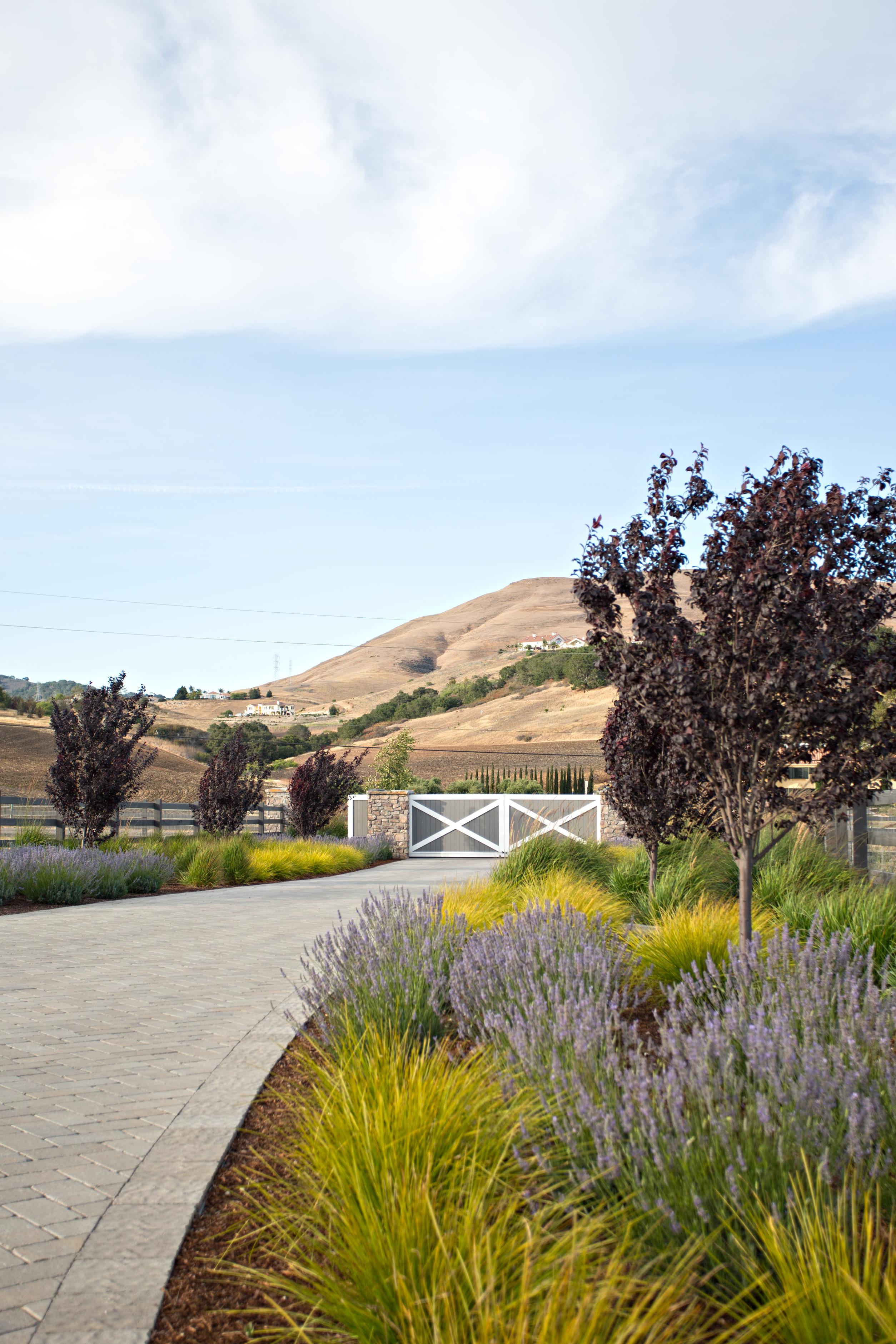
🌿 Edging & Borders
Clean, uniform look
Great along:
Driveways
Paths
🌸 Mass Planting
Creates:
Cohesive, modern design
Works well in repetition
🌿 Slopes & Erosion Control
Strong root system
Stabilizes soil
🌿 Containers
Works well in large pots
Adds structure to patios
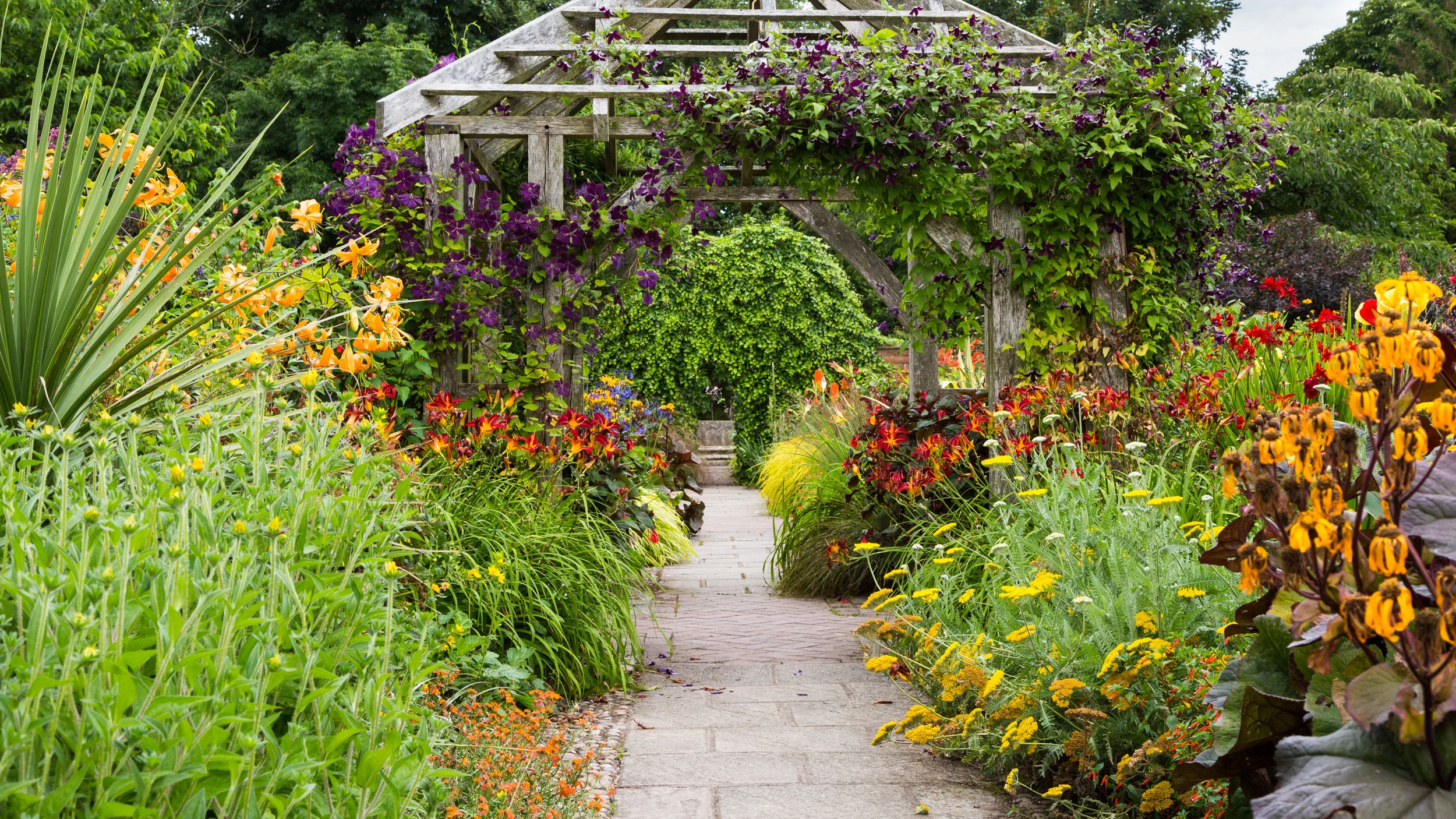
🌿 Fresh Pairing Ideas
To complement Lomandra’s clean, grassy form:
🌿 For bold contrast
Leucadendron → colorful, sculptural shrubs
Protea → dramatic blooms
🌸 For color layering
Lavatera (tree mallow) → soft pink blooms
Diascia → small, airy flowers
🌿 For texture contrast
Agave attenuata → smooth, sculptural rosettes
Aloe striata → soft, architectural form
🌼 For seasonal interest
Bulbine frutescens → yellow/orange flowers
Felicia (blue daisy) → bright blue accents
👉 These combinations create a modern, drought-tolerant planting with structure and color balance.
⚠️ Things to Know
Subtle flowers (grown mainly for foliage)
Can look sparse if overwatered
Best planted in groups for impact
🌿 How Fast Does It Grow?
Moderate growth
Establishes in:
1–2 years
💡 Fills in nicely without becoming invasive.
🌟 Key Takeaways
One of the best low-maintenance, drought-tolerant plants
Provides clean structure and year-round greenery
Thrives in:
Full sun
Poor soil
Low water
Ideal for:
Edging
Mass planting
Modern landscapes
🌿 Final Thoughts
Lomandra is the quiet backbone of a well-designed garden.
It doesn’t bloom dramatically or demand attention—but it creates the framework that makes everything else work.
It brings:
Order
Simplicity
Effortless structure
into a space.
If you want a garden that feels:
Clean
Cohesive
Easy to maintain
Lomandra is one of the smartest—and most reliable—choices you can make.
Comments
Post a Comment