🌿 Lamb’s Ear (Stachys byzantina)
🌿 Lamb’s Ear (Stachys byzantina): The Soft, Silvery Groundcover That Brightens Any Garden
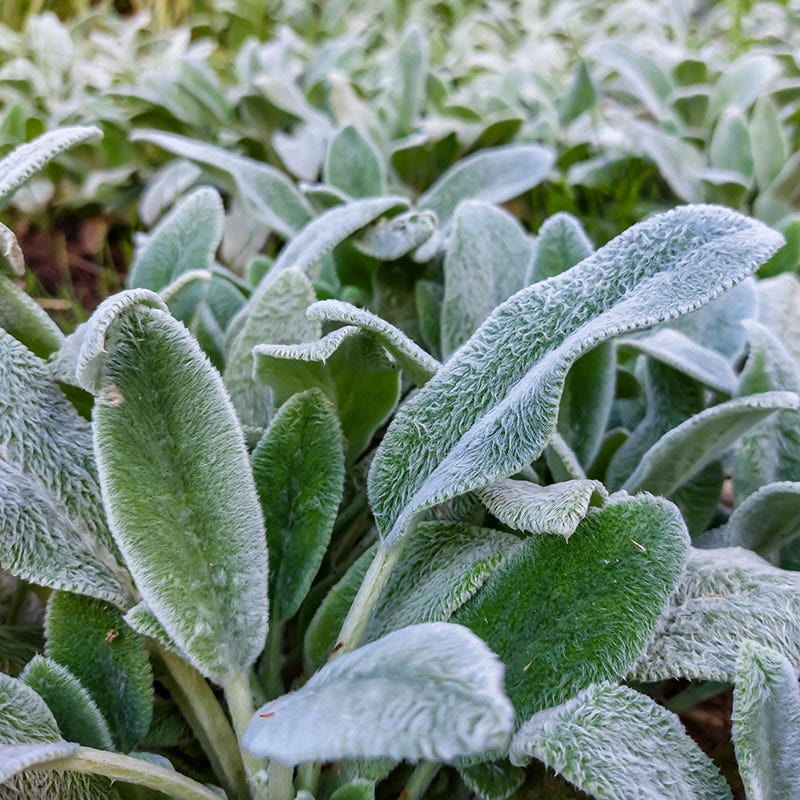
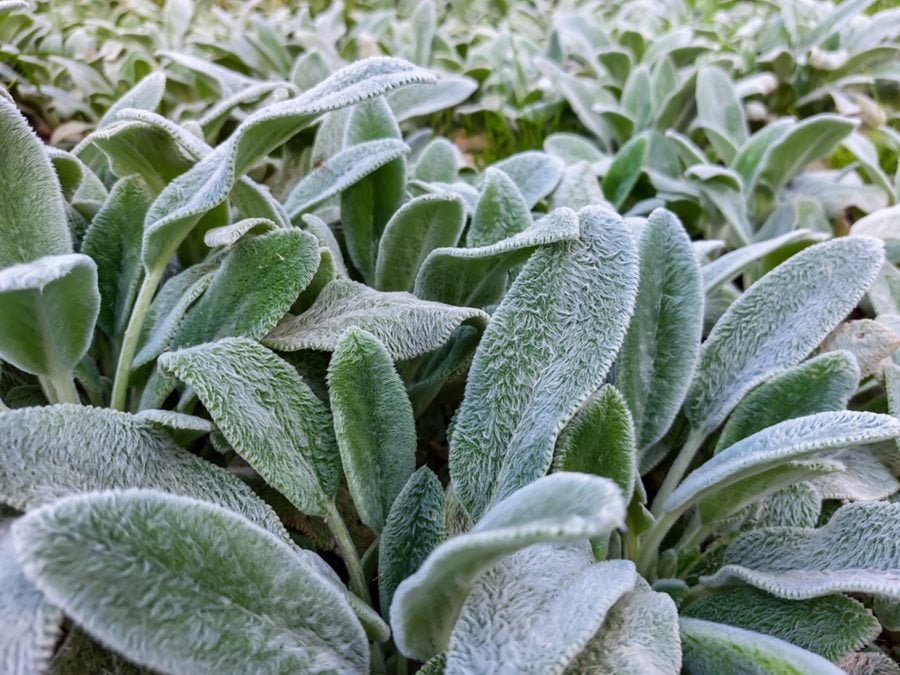
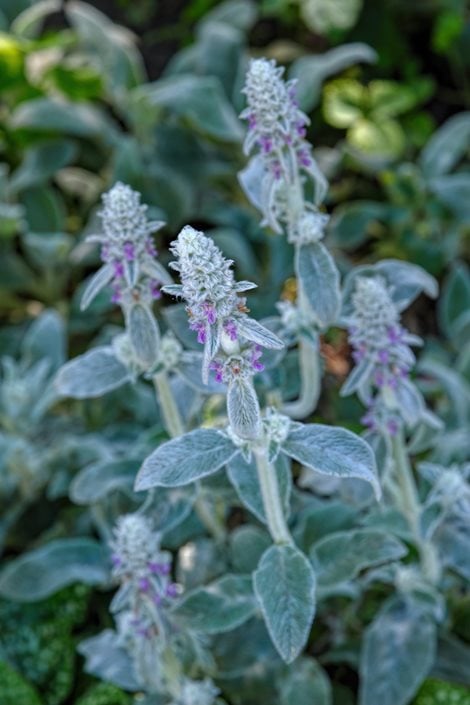

If you want a plant that instantly adds softness, contrast, and a calming palette, lamb’s ear is one of the easiest ways to get there.
With its velvety, silver-gray leaves and low, spreading habit, Stachys byzantina acts like a natural “softener”—blending edges, reflecting light, and bringing a tactile element that few plants can match.
🌼 Quick Facts
Botanical name: Stachys byzantina
Common name: Lamb’s ear
Plant type: Evergreen to semi-evergreen perennial
Native to: Middle East
USDA zones: 4–9
Height: 6–12 inches (flowers up to 18–24 inches)
Width: 12–24+ inches spread
Light: Full sun → light shade
Water: Low
Bloom time: Late spring → summer
Wildlife: Pollinators, deer resistant
🌿 Why Lamb’s Ear Is So Loved
1. Unmatched Soft, Velvety Texture 🤍

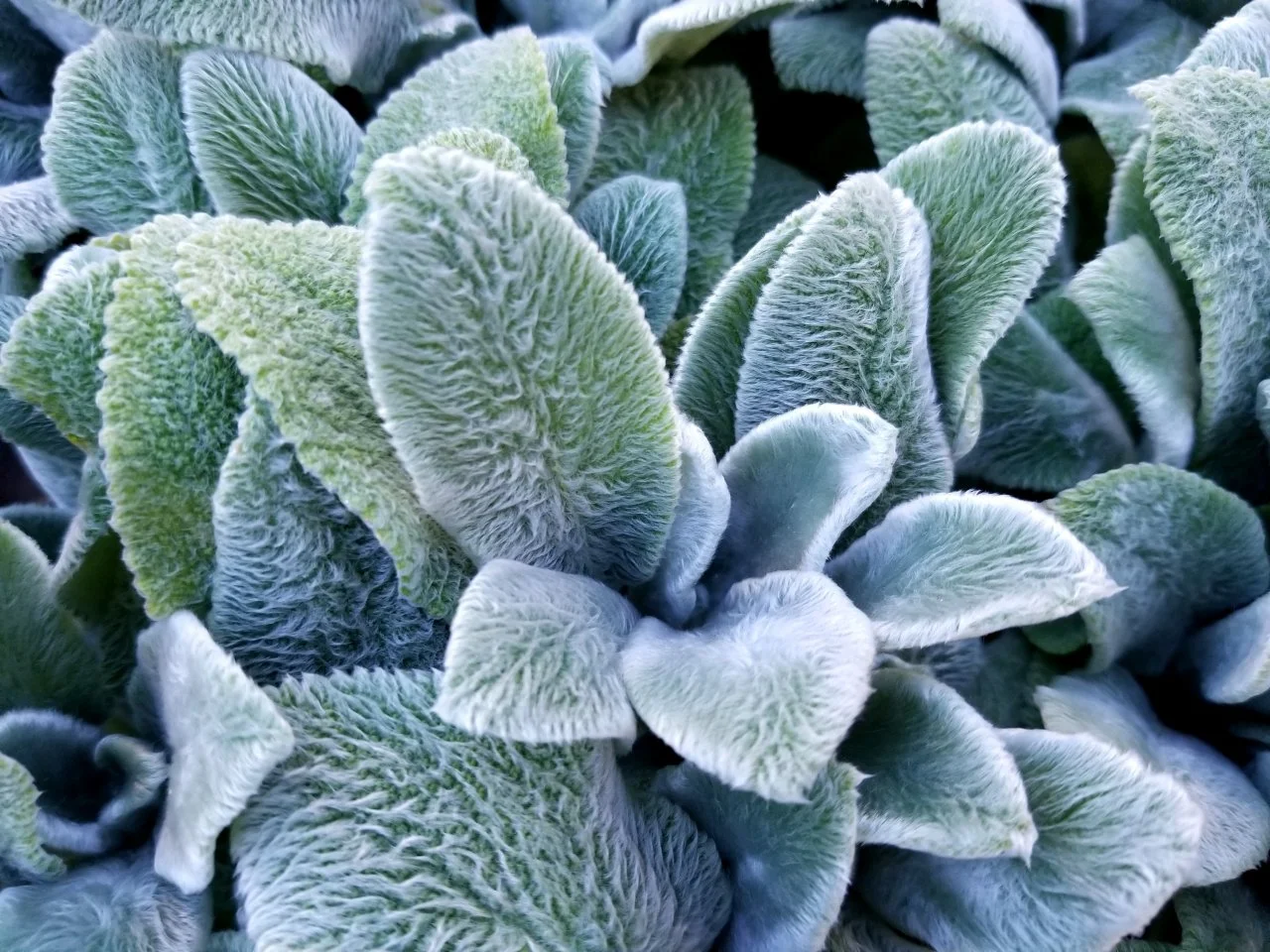

Leaves are:
Thick
Fuzzy
Silvery-gray
👉 One of the few plants that’s:
Visually soft
Physically soft
2. Brightens and Cools the Garden ✨
Silver foliage reflects light
Creates contrast against:
Green plants
Dark foliage
👉 Acts like a natural highlight in planting design.
3. Tough and Drought-Tolerant ☀️
Thrives in:
Heat
Dry conditions
Needs very little water once established
👉 Perfect for low-water gardens.
🌱 Growing Conditions
☀️ Light
Best:
Full sun
Tolerates:
Light shade
👉 Too much shade = floppy, less dense growth.
💧 Water
Establishment: Regular watering
Mature:
👉 Low water
⚠️ Overwatering can cause:
Rot
Mushy leaves
🌱 Soil
Must have:
Excellent drainage
Thrives in:
Poor, sandy soil
👉 Avoid heavy, wet soil.
✂️ Care & Maintenance
Pruning
Remove:
Old or damaged leaves
Cut back flower spikes if desired
Flower Management
Some gardeners:
Love the purple spikes
Others:
Remove them to keep focus on foliage
👉 Both approaches work.
Fertilizing
Not needed
Too much fertility = weak growth
🌿 Growth Habit
Spreads slowly into a soft mat
Not invasive
Easy to control
💡 Great for filling edges and gaps.
🌿 Landscape Uses
🌿 Groundcover & Edging
Ideal for:
Pathways
Borders
🌸 Contrast Plant
Pairs beautifully with:
Green foliage
Bright flowers
🌿 Mediterranean & Dry Gardens
Works well with:
Gravel
Stone
🌿 Sensory Gardens
Perfect for:
Touch
Interaction
🌿 Fresh Pairing Ideas
To complement lamb’s ear’s silvery softness:
🌿 For bold contrast
Sedum ‘Autumn Joy’ → upright, succulent texture
Echinops (globe thistle) → spiky blue spheres
🌸 For color interplay
Rosemary (flowering) → blue tones
Gaillardia → warm reds and yellows
🌿 For texture layering
Lavender cotton (Santolina) → fine, mounded foliage
Helianthemum (rock rose) → low, spreading blooms
🌼 For seasonal interest
Allium → spring architectural blooms
Verbascum → tall, airy spikes
👉 These combinations create a balanced, drought-tolerant planting with strong texture contrast.
⚠️ Common Problems
| Issue | Cause | Fix |
|---|---|---|
| Rotting leaves | Too much water | Improve drainage |
| Floppy growth | Too much shade | Increase sun |
| Patch dieback | Poor airflow | Thin plants |
🌿 How Fast Does It Grow?
Moderate growth
Establishes in:
1–2 years
💡 Fills in nicely without becoming aggressive.
🌟 Key Takeaways
Unique soft, silvery foliage plant
Extremely drought-tolerant and low maintenance
Adds:
Texture
Contrast
Brightness
Ideal for:
Edging
Groundcover
Dry gardens
🌿 Final Thoughts
Lamb’s ear is less about flowers—and more about feeling.
It brings:
Softness
Calm
A gentle visual break
into a garden filled with stronger shapes and colors.
If your space ever feels:
Too sharp
Too busy
Too intense
Lamb’s ear is the plant that softens everything—and makes the whole garden feel more inviting.
Comments
Post a Comment