🌹 ‘Lady of Shalott’ (David Austin Rose)
🌹 ‘Lady of Shalott’ (David Austin Rose): The Most Reliable Apricot Rose You Can Grow
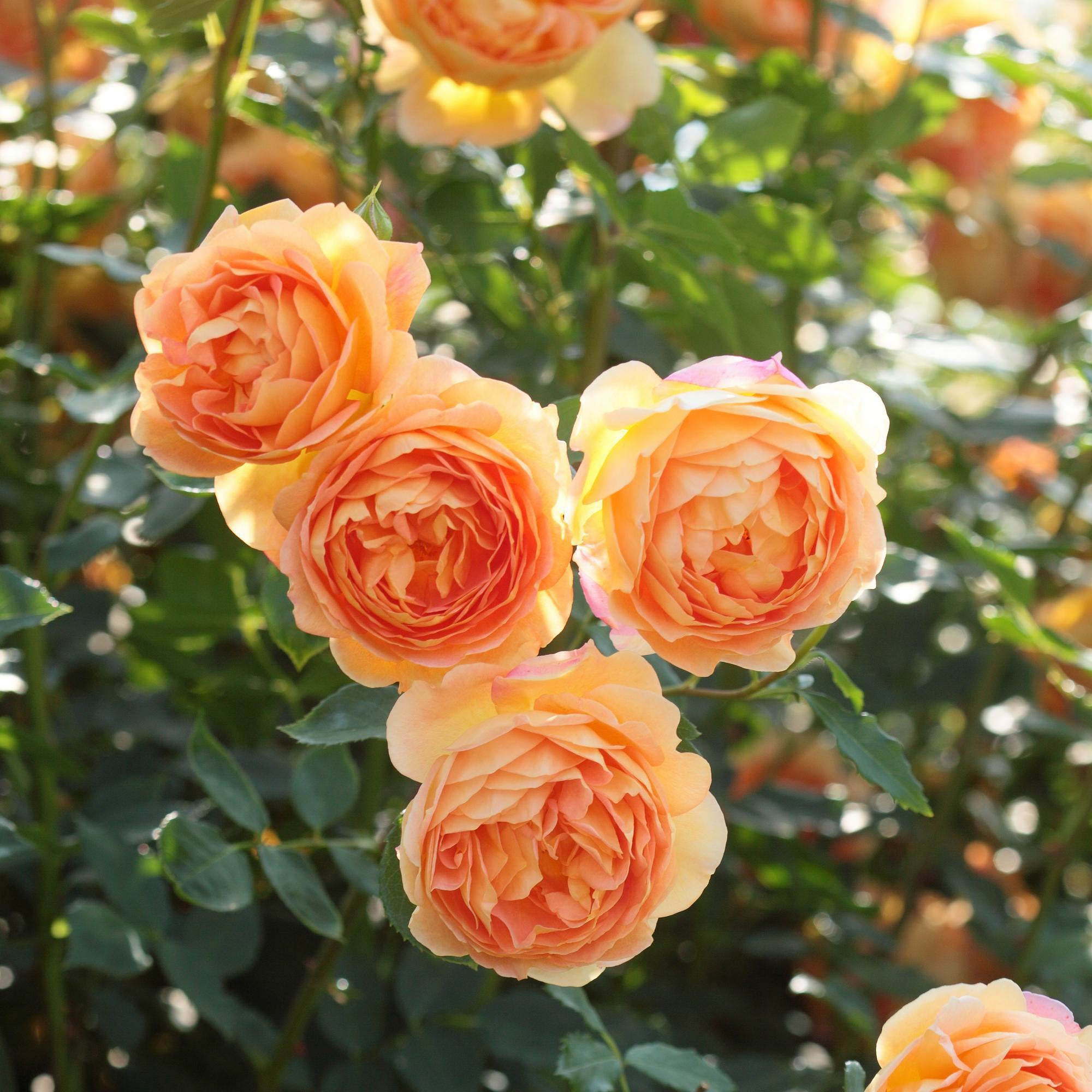

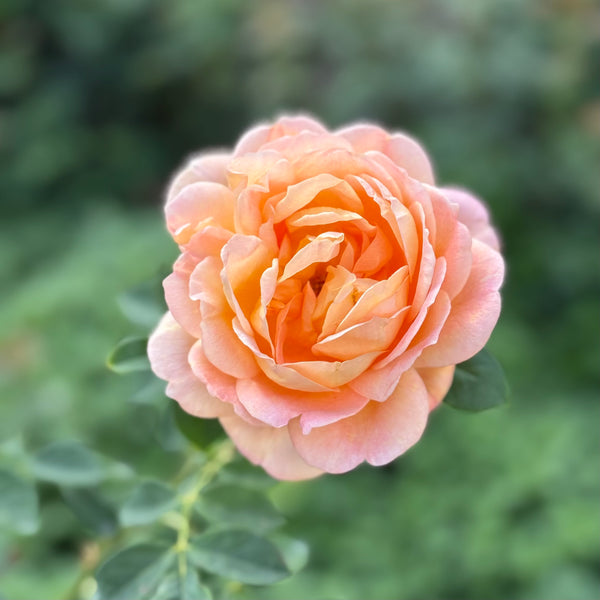

If you want a rose that combines vibrant color, exceptional health, and nonstop blooms, ‘Lady of Shalott’ from David Austin Roses is widely considered one of the best modern English roses available.
Named after a poem by Alfred Lord Tennyson, this variety brings a sense of warmth, movement, and resilience—making it especially well-suited to real-world gardens, not just ideal conditions.
🌼 Quick Facts
Name: ‘Lady of Shalott’
Type: English shrub rose
Color: Apricot-orange with salmon-pink tones
Fragrance: Warm tea scent (apple + clove notes)
Height: 3–5 ft
Width: 3–4 ft
USDA zones: 5–9
Light: Full sun
Blooming: Strong repeat flowering
🌿 Why ‘Lady of Shalott’ Is So Highly Rated
1. Complex, Glowing Apricot Color 🍑


Buds start rich orange-red
Open into:
Apricot-orange centers
Salmon-pink outer petals
Golden undersides
👉 The color shifts constantly, giving a multi-dimensional glow. (David Austin Roses - EU)
2. Exceptional Bloom Performance 🌸
Blooms in continuous flushes from late spring to frost (Gardenia)
Produces clusters of flowers, not just single blooms
👉 One of the most consistently flowering David Austin roses.
3. Strong Disease Resistance ✔️
Known for excellent resistance and reliability (Gardenia)
Healthy foliage with less fuss
👉 A great choice if you want low-maintenance roses.
4. Graceful, Arching Growth 🌿
Bushy shrub with:
Slightly arching stems
Bronze-tinted new foliage
👉 Creates a soft, flowing silhouette, not a stiff rose bush. (David Austin Roses - EU)
5. Warm, Spiced Fragrance 🌿
Light tea fragrance
Notes of:
Spiced apple
Clove
👉 Subtle but pleasant—not overpowering. (David Austin Roses - EU)
🌱 Growing Conditions
☀️ Light
Needs:
Full sun (6+ hours)
👉 Essential for strong flowering and disease resistance.
💧 Water
Requires:
Regular, deep watering
Keep soil:
Evenly moist
🌱 Soil
Prefers:
Rich, well-draining soil
Benefits from:
Compost
✂️ Care & Maintenance
Pruning
Light shaping in late winter
Remove:
Old or weak stems
Deadheading
Encourages faster rebloom
Feeding
Regular rose fertilizer improves performance
🌿 Growth Habit
Medium-sized shrub
Rounded but slightly arching
Can be trained as:
Small climber
Large shrub
💡 Flexible depending on how you prune.
🌿 Landscape Uses
🌿 Mixed Borders
Blends beautifully with perennials
🌸 Cottage Gardens
Ideal for:
Romantic, layered planting
🌿 Containers
Performs well in large pots
🌿 Informal Hedges
Repetition creates a soft, cohesive look
🌿 Fresh Pairing Ideas
To complement its warm apricot tones:
🌿 For cool contrast
Salvia ‘Caradonna’ → deep violet spikes
Perovskia (Russian sage) → airy lavender haze
🌸 For tonal harmony
Gaura (white or blush) → soft movement
Cosmos (white/pink) → light, airy blooms
🌿 For foliage contrast
Artemisia ‘Powis Castle’ → silvery softness
Stachys byzantina (lamb’s ear) → tactile silver
🌼 For seasonal layering
Allium → spring structure
Echinacea (peach/white) → summer continuity
👉 These combinations create a warm, glowing palette balanced with cool contrast and texture.
⚠️ Things to Know
May arch outward—give it space
Benefits from good air circulation
Blooms can droop slightly in heavy rain
🌿 How Fast Does It Grow?
Moderate to fast
Establishes in:
1–2 years
💡 Quickly becomes a strong, reliable shrub.
🌟 Key Takeaways
One of the most reliable and disease-resistant English roses
Produces continuous apricot-orange blooms all season
Beautiful color variation and soft arching form
Thrives in:
Full sun
Well-drained, rich soil
🌿 Final Thoughts
‘Lady of Shalott’ is a rose that balances beauty with practicality.
It doesn’t just look good in photos—it performs:
Through heat
Through long seasons
With minimal fuss
It brings:
Warmth
Movement
Consistent color
into a garden in a way that feels effortless.
If you want one David Austin rose that just works, this is very often the one gardeners end up recommending again and again.
Comments
Post a Comment