Japanese Maple
🌸 Japanese Maple with Pink-Tinged Green Leaves: Soft Color, Four-Season Elegance
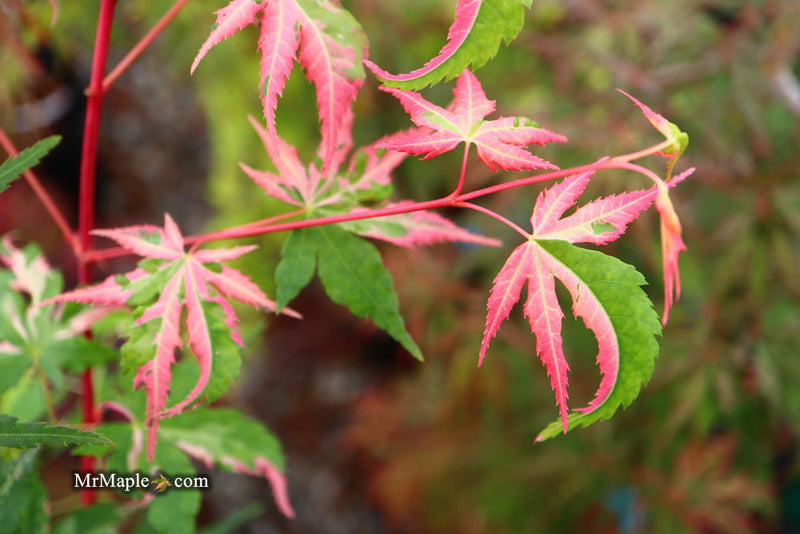
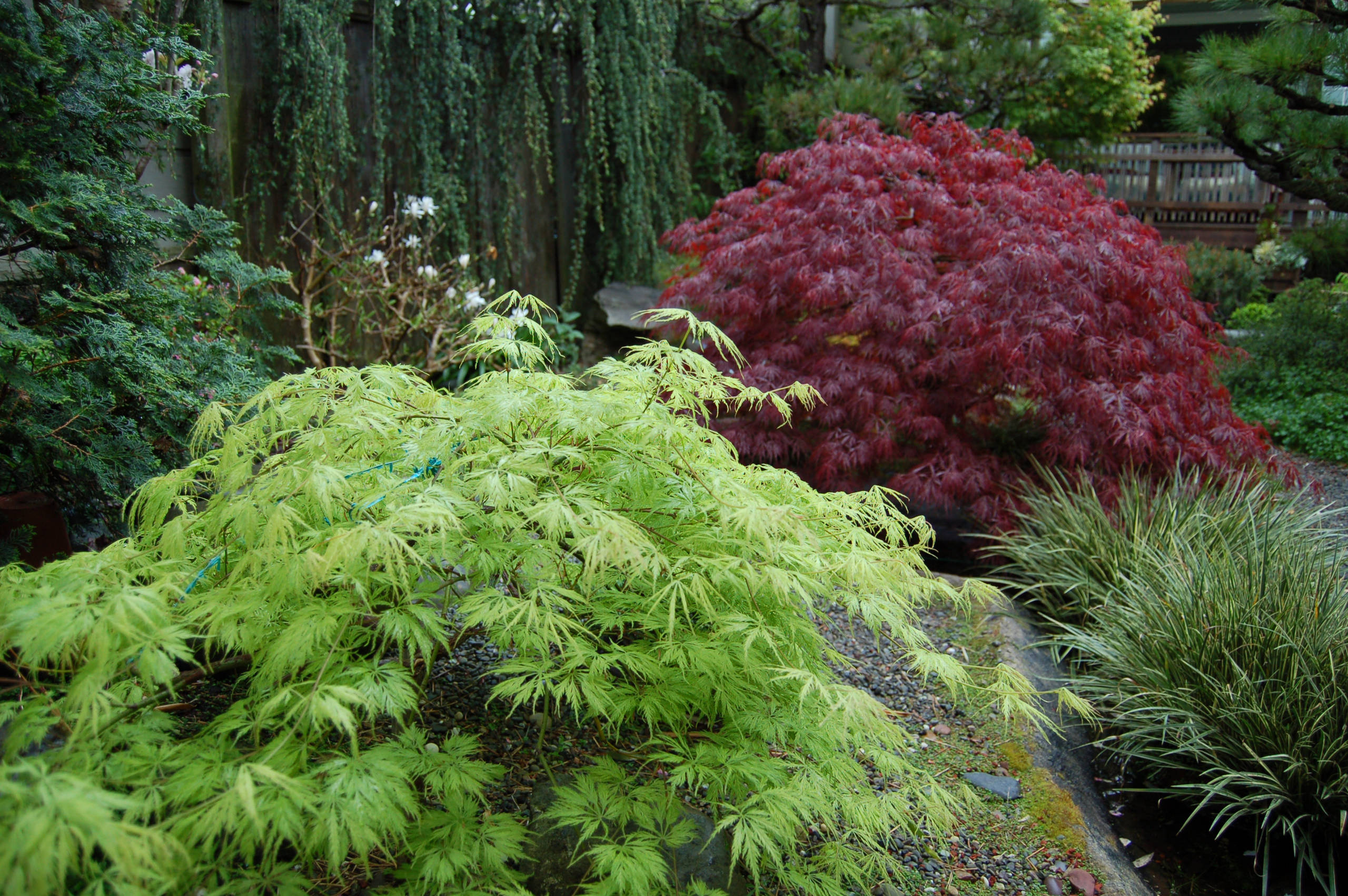
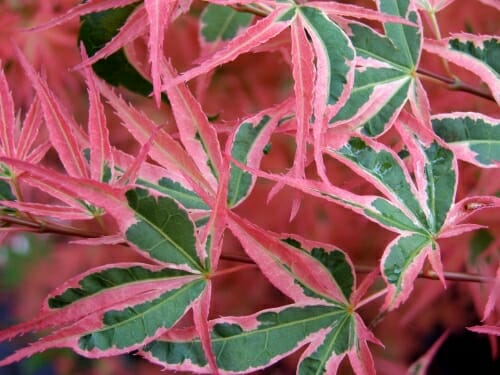
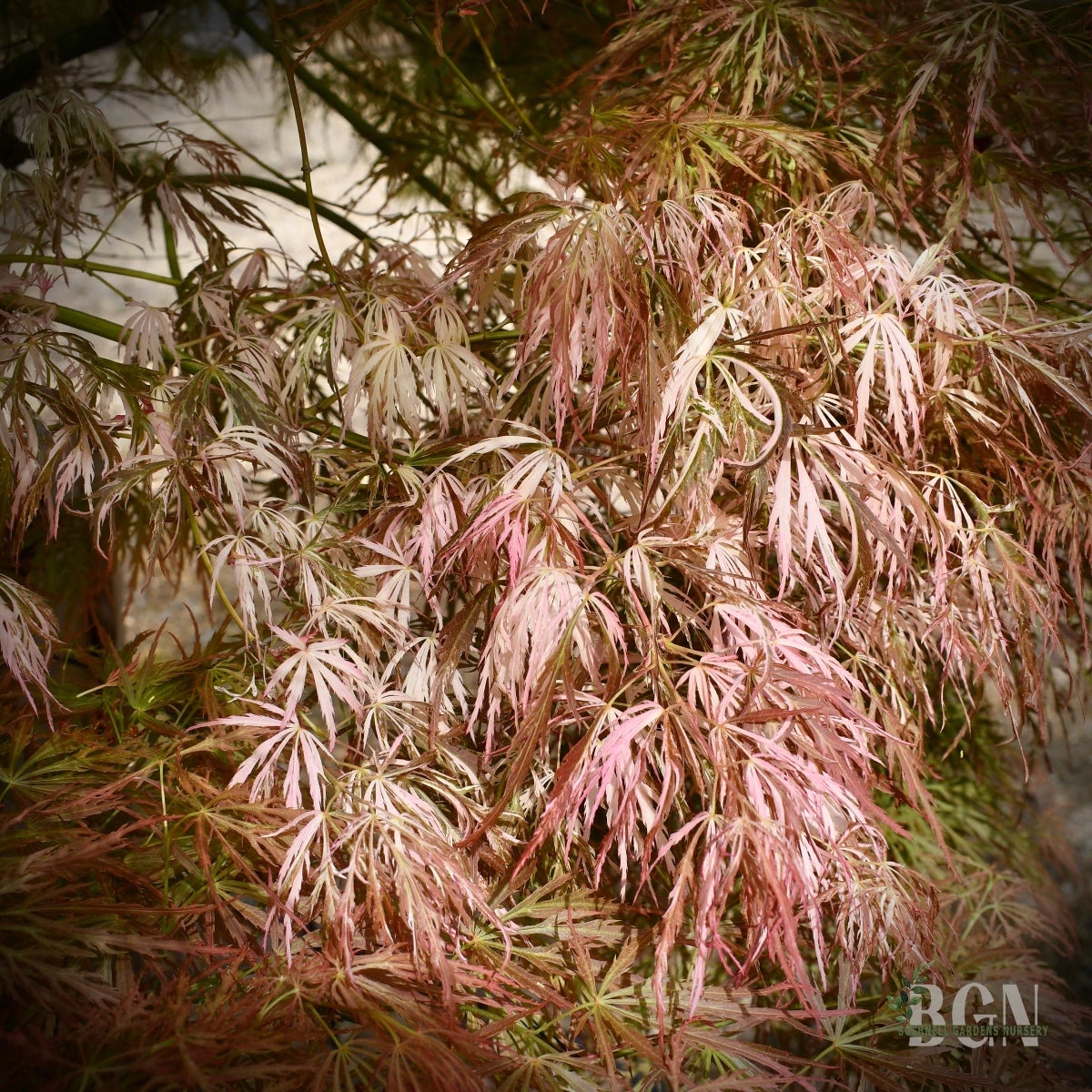
If you’re drawn to trees that feel light, airy, and quietly beautiful, a pink-tinged green Japanese maple might be exactly what your garden needs.
These trees—forms of Acer palmatum—offer something subtle yet unforgettable:
soft green leaves brushed with pink, especially in spring, creating a look that feels almost watercolor-like.
🌿 What Is a Pink-Tinged Green Japanese Maple?
These are selected cultivars of Acer palmatum known for:
Fresh green leaves with pink or rose highlights
Seasonal color changes
Fine, delicate leaf structure
🌸 Popular Cultivars to Look For
‘Roseo-marginatum’ → green leaves with pink margins
‘Asahi zuru’ → splashes of pink and cream variegation
‘Shin deshojo’ → strong pink/red spring flush fading to green
‘Kagiri nishiki’ → soft variegation with pink tones
👉 Each cultivar expresses pink differently—some subtle, some more dramatic.
🌼 Quick Facts
Botanical name: Acer palmatum (various cultivars)
Common name: Japanese maple
Plant type: Deciduous ornamental tree
USDA zones: 5–9
Height: 8–20 ft (depending on cultivar)
Width: 6–15 ft
Light: Part shade → morning sun
Water: Moderate
Best season: Spring (for pink tones)
🌸 Why These Trees Are So Special
1. Spring Color That Feels Like Art 🎨

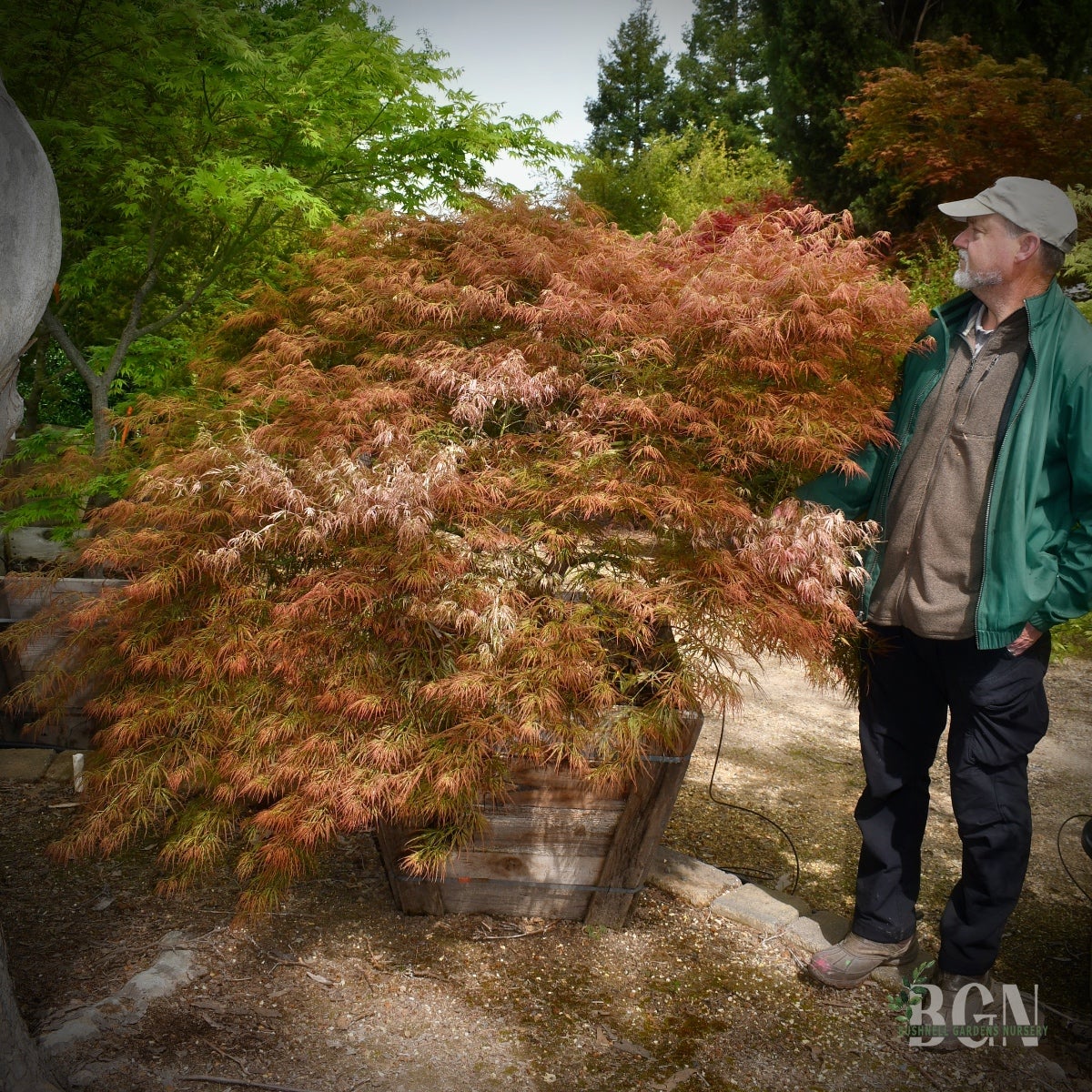


In early spring:
New leaves emerge with pink blushes or edges
Colors shift subtly in changing light
👉 The effect is:
Soft
Layered
Almost painterly
2. Gentle Presence, Not Overpowering 🌿
Unlike bold trees, these maples:
Add refinement rather than drama
Work beautifully in:
Calm garden spaces
Layered planting designs
👉 They elevate a space without overwhelming it.
3. Perfect for Part Shade 🌳
These trees thrive in:
Dappled light
Morning sun
Protected garden areas
⚠️ Too much harsh sun can:
Burn delicate leaves
Fade pink coloration
🌱 Growing Conditions
☀️ Light
Best:
Morning sun + afternoon shade
Avoid:
Hot, direct afternoon sun (especially inland)
💧 Water
Needs:
Consistent moisture
Once established:
Moderate water
👉 Do not let soil fully dry out in summer.
🌱 Soil
Prefers:
Rich, well-draining soil
Benefits from:
Compost
Mulch
👉 Roots like to stay cool and protected.
🌿 Seasonal Interest
Spring: Pink-tinged new growth (main highlight)
Summer: Soft green canopy
Fall: Yellow, orange, or red tones
Winter: Elegant branching structure
👉 A true multi-season ornamental tree.
✂️ Care & Maintenance
Pruning
Minimal pruning needed
Best time:
Late winter or mid-summer (light shaping only)
Fertilizing
Light feeding in spring if needed
Avoid heavy fertilization
Protection Tips
Shelter from:
Strong wind
Harsh afternoon sun
🌿 Landscape Uses
🌳 Focal Tree
Best placed where it can be appreciated up close
🌿 Patio or Entry Tree
Adds softness and elegance to:
Entryways
Seating areas
🌸 Layered Garden Design
Works beautifully with:
Understory planting
Naturalistic designs
🌿 Plant Pairing Ideas
To complement the soft pink-green tones:
Heuchera (native coral bells) → low mounding contrast
Iris douglasiana → seasonal blooms
Salvia spathacea → lush groundcover
Ferns → enhance woodland feel
👉 Creates a calm, cohesive, and textural planting palette.
⚠️ Things to Know
Pink tones are strongest in spring
Color may fade to green in summer
Variegated types can be:
Slightly slower growing
More sensitive to sun
🌿 How Fast Does It Grow?
Slow to moderate growth
Reaches mature form in:
5–10+ years
💡 Worth the wait—these trees improve with age.
🌟 Key Takeaways
Delicate pink-tinged foliage adds softness and elegance
Thrives in part shade and protected locations
Ideal for focal points and layered plantings
Offers multi-season beauty
Requires gentle care, not heavy maintenance
🌿 Final Thoughts
A pink-tinged Japanese maple isn’t about bold statements—it’s about subtle beauty.
It draws you in slowly:
A hint of pink in spring
A shimmer of leaves in filtered light
A quiet presence that makes everything around it feel more refined
If your garden leans toward:
Calm
Layered
Thoughtful design
This is a tree that will feel right at home—and only get better with time.
Comments
Post a Comment