Iris douglasiana (Douglas Iris)
🌸 Iris douglasiana (Douglas Iris): Effortless Beauty for California Gardens
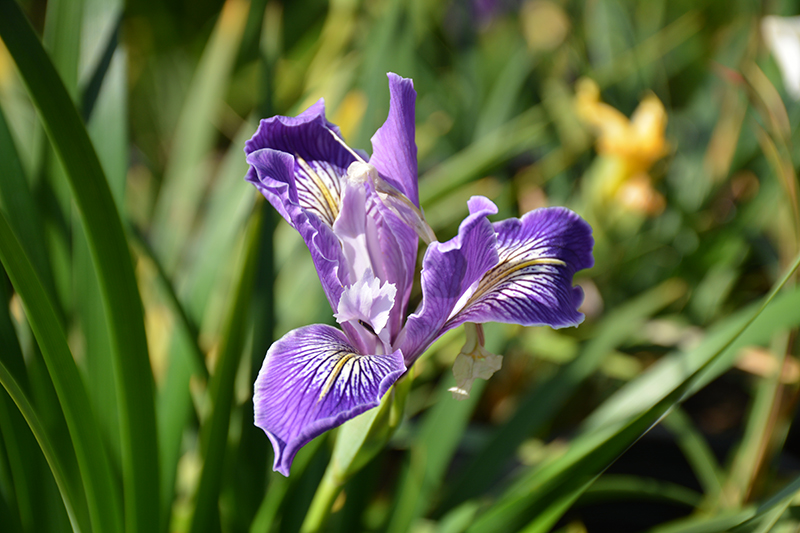
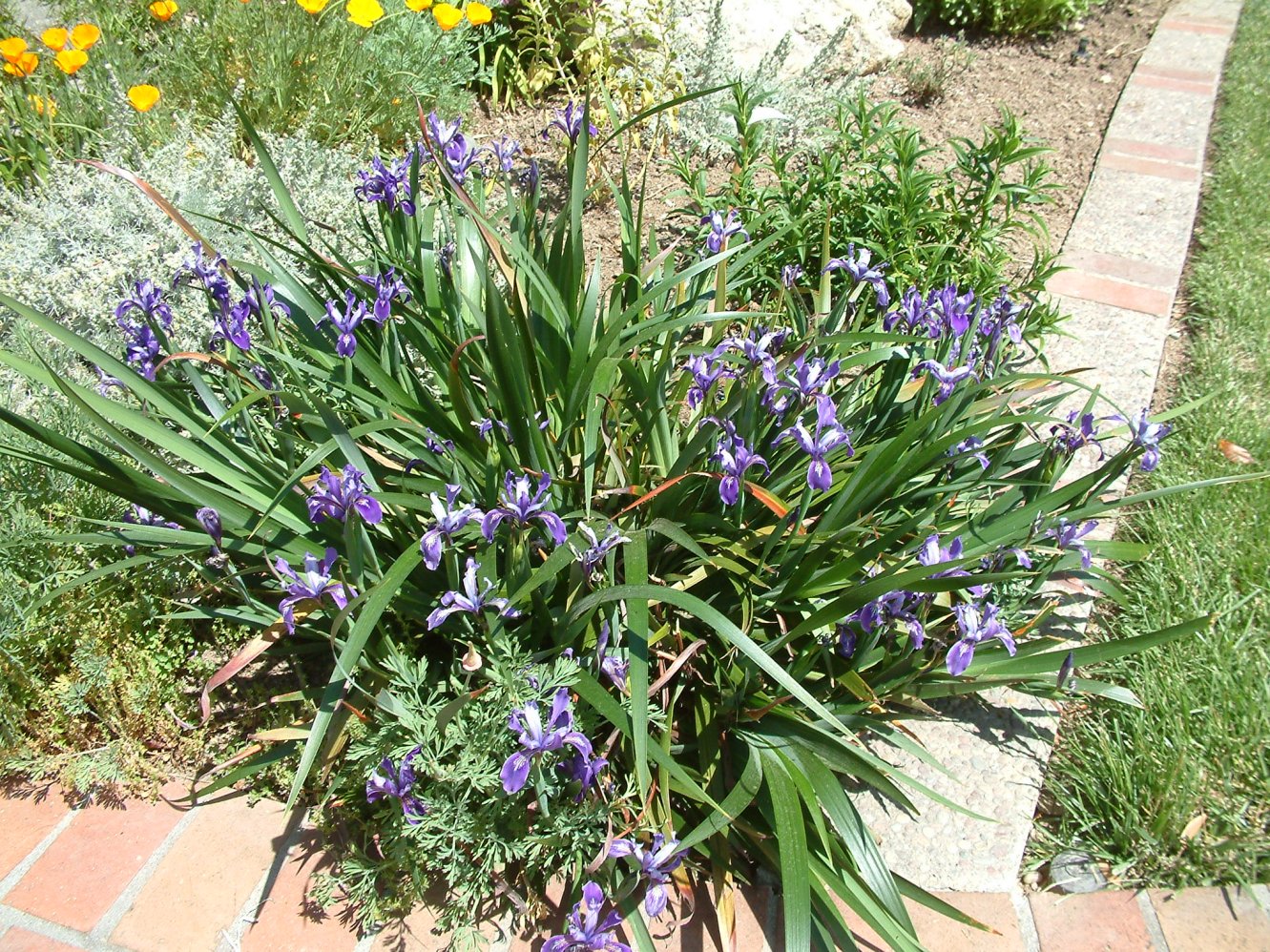


If you want a plant that feels completely at home in a California garden—soft, natural, and quietly stunning— Iris douglasiana, or Douglas iris, is one of the best choices you can make.
It brings together everything that matters in a modern landscape:
Low water needs
Shade tolerance
Seasonal blooms
Effortless, natural spread
🌼 Quick Facts
Botanical name: Iris douglasiana
Common name: Douglas iris
Plant type: Evergreen perennial
Native to: Coastal California & Oregon
USDA zones: 7–10
Height: 1–2 ft
Spread: 2–4 ft (forms clumps and colonies)
Light: Part shade → full sun (coastal)
Water: Low once established
Bloom time: Spring (March–May)
Wildlife: Pollinator-friendly
🌿 Why Douglas Iris Belongs in Every CA Garden
1. Made for Dry Summers ☀️
Douglas iris naturally grows in:
Coastal bluffs
Woodland edges
Grasslands
👉 That means it thrives with:
Winter rain
Dry summer conditions
💡 Once established, it needs very little supplemental water.
2. Thrives in Part Shade 🌳
Unlike many flowering perennials:
Performs beautifully in filtered light
Ideal under:
Trees
Along fences
North or east exposures
👉 Perfect for those tricky “not quite sunny” areas.
3. Natural, Spreading Growth 🌿
Forms dense clumps via rhizomes
Slowly expands into colonies
Helps suppress weeds
👉 It creates a soft, meadow-like effect over time.
🌸 The Flowers: Wild, Elegant, Unique
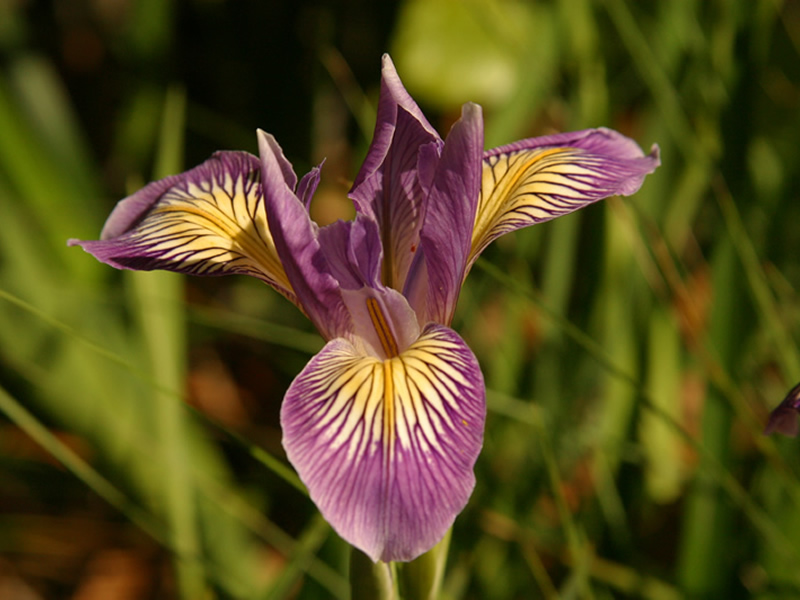

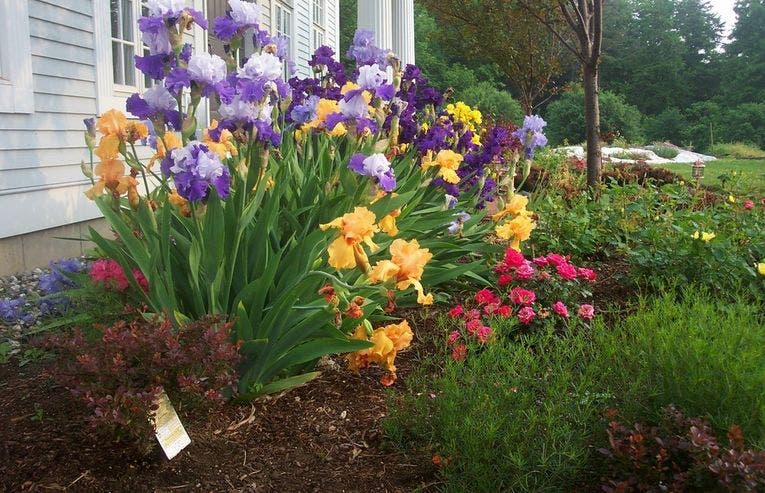
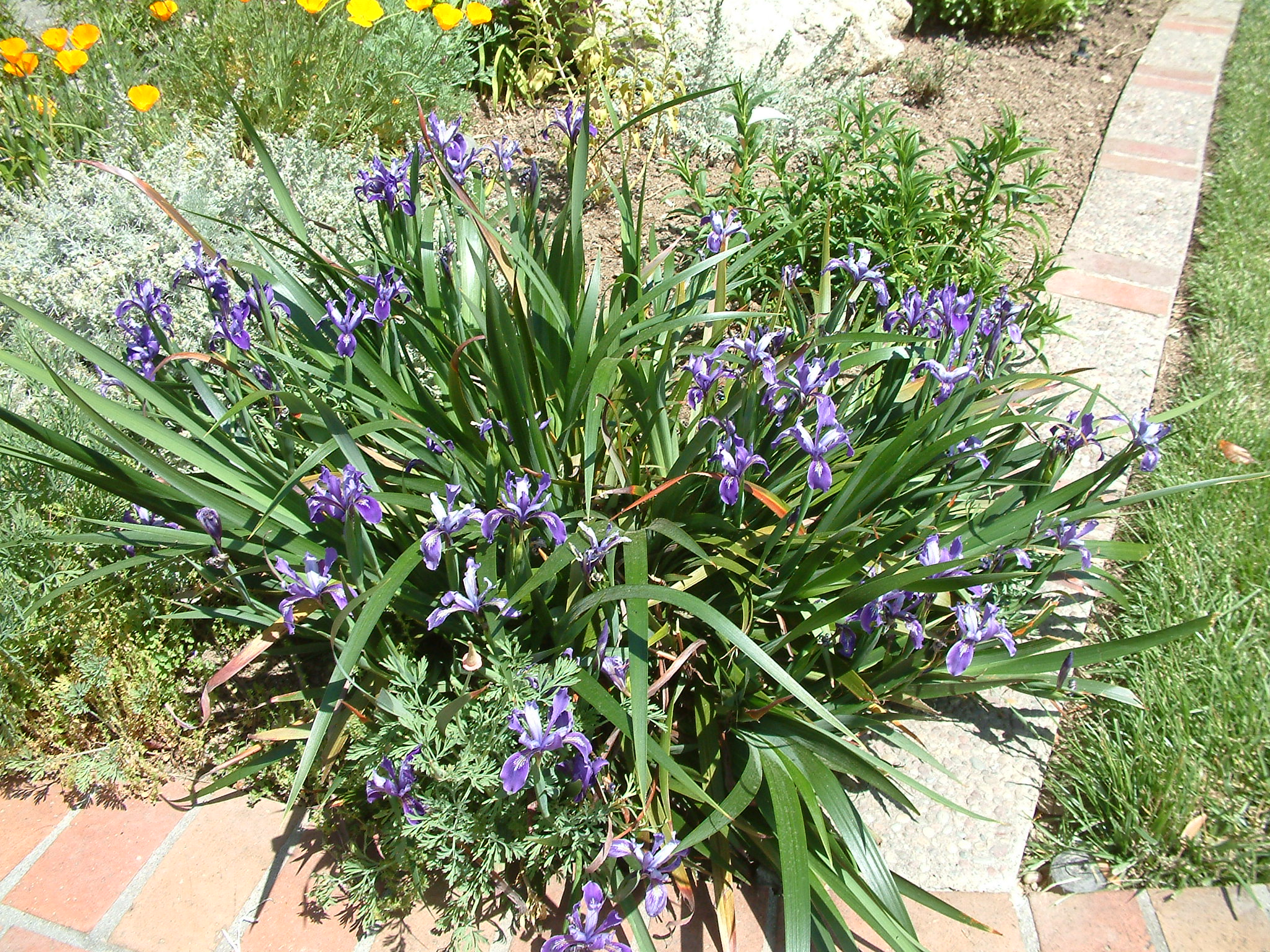
Douglas iris flowers are:
Smaller than hybrid irises
More delicate and natural-looking
🌈 Color range:
Purple (most common)
Lavender
White
Yellow
Veined or multi-toned forms
👉 Each plant can feel slightly different—adding to its charm.
🌱 Growing Conditions
☀️ Light
Best: Part shade
Tolerates:
Full sun (coastal or mild climates)
Avoid:
Harsh inland afternoon sun
💧 Water
Year 1: Regular watering
After: Low water
⚠️ Too much summer water can:
Cause rot
Reduce vigor
🌱 Soil
Prefers:
Well-draining soil
Tolerates:
Clay (if not soggy)
Lean soils
👉 Does very well in natural, unamended soils.
✂️ Care & Maintenance
Pruning
Remove old or damaged leaves
Cut back flower stalks after bloom
Dividing
Divide every 3–5 years if crowded
Helps rejuvenate flowering
Fertilizing
Not necessary
Too much fertilizer = fewer flowers
🌿 Landscape Uses
Douglas iris is incredibly versatile:
🌳 Woodland Gardens
Blends seamlessly under:
Oaks
Maples
Mixed native plantings
🌸 Naturalistic Plantings
Ideal for:
Meadow-style designs
Informal borders
Slope stabilization
🌿 Edging & Pathways
Softens hard edges
Works beautifully along:
Gravel paths
Paver areas
🌿 Plant Pairing Ideas
For a layered, California-native palette:
Salvia spathacea → low, fragrant groundcover
Native Heuchera → mounding foliage contrast
Garrya elliptica → evergreen structure
Ferns → lush texture in shade
👉 Together, these create a rich, layered understory that feels natural and cohesive.
⚠️ Common Issues
| Issue | Cause | Fix |
|---|---|---|
| No blooms | Too much shade | Increase light |
| Rotting rhizomes | Overwatering | Improve drainage |
| Sparse growth | Poor establishment | Water first year properly |
🌿 How Fast Does It Grow?
Year 1: Establishment
Year 2: Moderate clumping
Year 3+: Expands into colonies
💡 Over time, it can create a dense, low-maintenance ground layer.
🌟 Key Takeaways
One of the most reliable California native perennials
Thrives in part shade + low water conditions
Provides spring color with minimal effort
Spreads naturally into soft, cohesive plantings
🌿 Final Thoughts
Iris douglasiana doesn’t try to steal the show—it simply belongs.
It brings a sense of place, seasonality, and calm that’s hard to replicate with more ornamental plants. And once it settles in, it asks for very little in return.
If you’re building a garden that feels:
Relaxed
Layered
Connected to California’s natural landscape
Douglas iris is a plant you’ll come to rely on year after year.
Comments
Post a Comment