Heptacodium miconioides (Seven-Son Flower)
🌸 Heptacodium miconioides (Seven-Son Flower): A Tree for All Seasons
If you’ve ever wished for a single plant that offers interest in every season, the Seven-Son Flower tree (Heptacodium miconioides) might be one of the most underrated gems you can add to your garden.
It’s not just a tree—it’s a multi-season performer, quietly shifting its look throughout the year and rewarding you with something new each time.
🌼 Quick Facts
Botanical name: Heptacodium miconioides
Common name: Seven-son flower
Plant type: Deciduous small tree / large shrub
Native to: China
USDA zones: 5–9
Height: 10–20 ft
Width: 8–15 ft
Light: Full sun → part shade
Water: Moderate → low once established
Bloom time: Late summer (Aug–Sept)
Wildlife: Bees, butterflies
🌿 Why It’s Called “Seven-Son Flower”
The name comes from its unique flower clusters:
Blooms appear in groups of seven
Arranged in branching clusters
👉 It’s a small detail—but part of what makes this tree feel special and unusual.
🌸 A Tree That Changes with Every Season
🌱 Spring: Fresh, Clean Growth
Bright green leaves emerge
Elegant, airy branching structure
🌿 Summer: Lush & Structured
Dense foliage creates a soft canopy
Works beautifully as a light shade tree
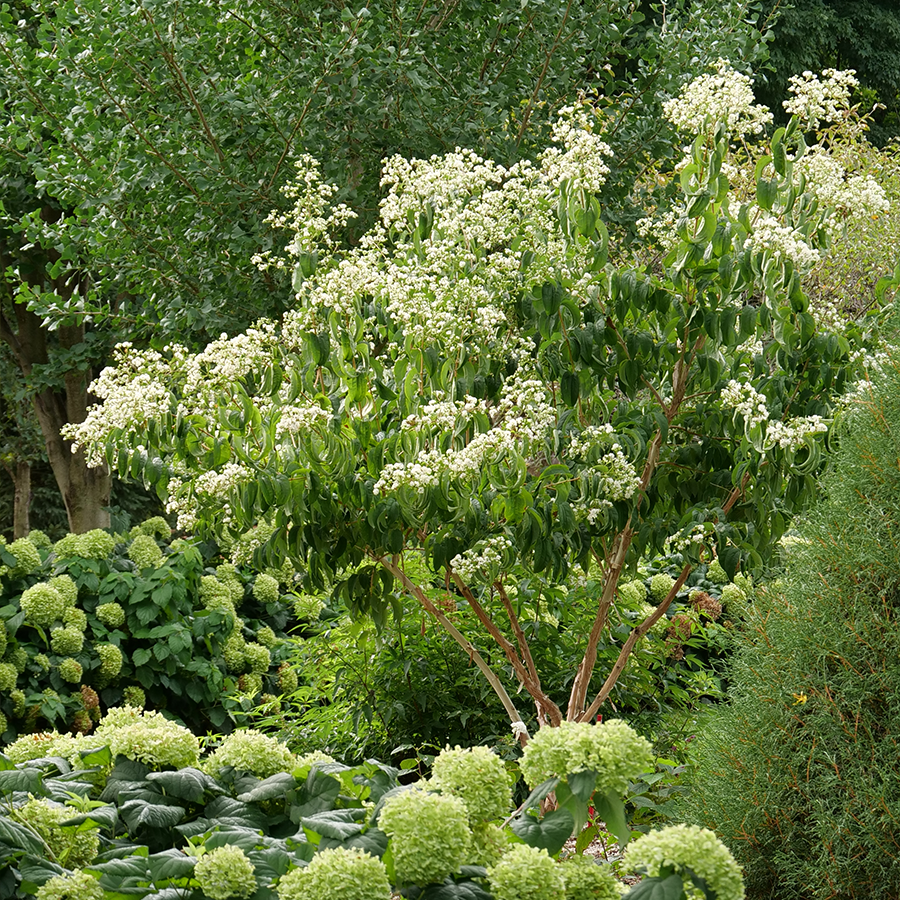
🌸 Late Summer: Fragrant White Flowers


This is where it truly shines:
Creamy white, jasmine-like flowers
Appear when most trees are done blooming
Lightly fragrant
👉 A major bonus:
Provides nectar for pollinators late in the season
🍁 Fall: Unexpected Color Twist
After flowers fade:
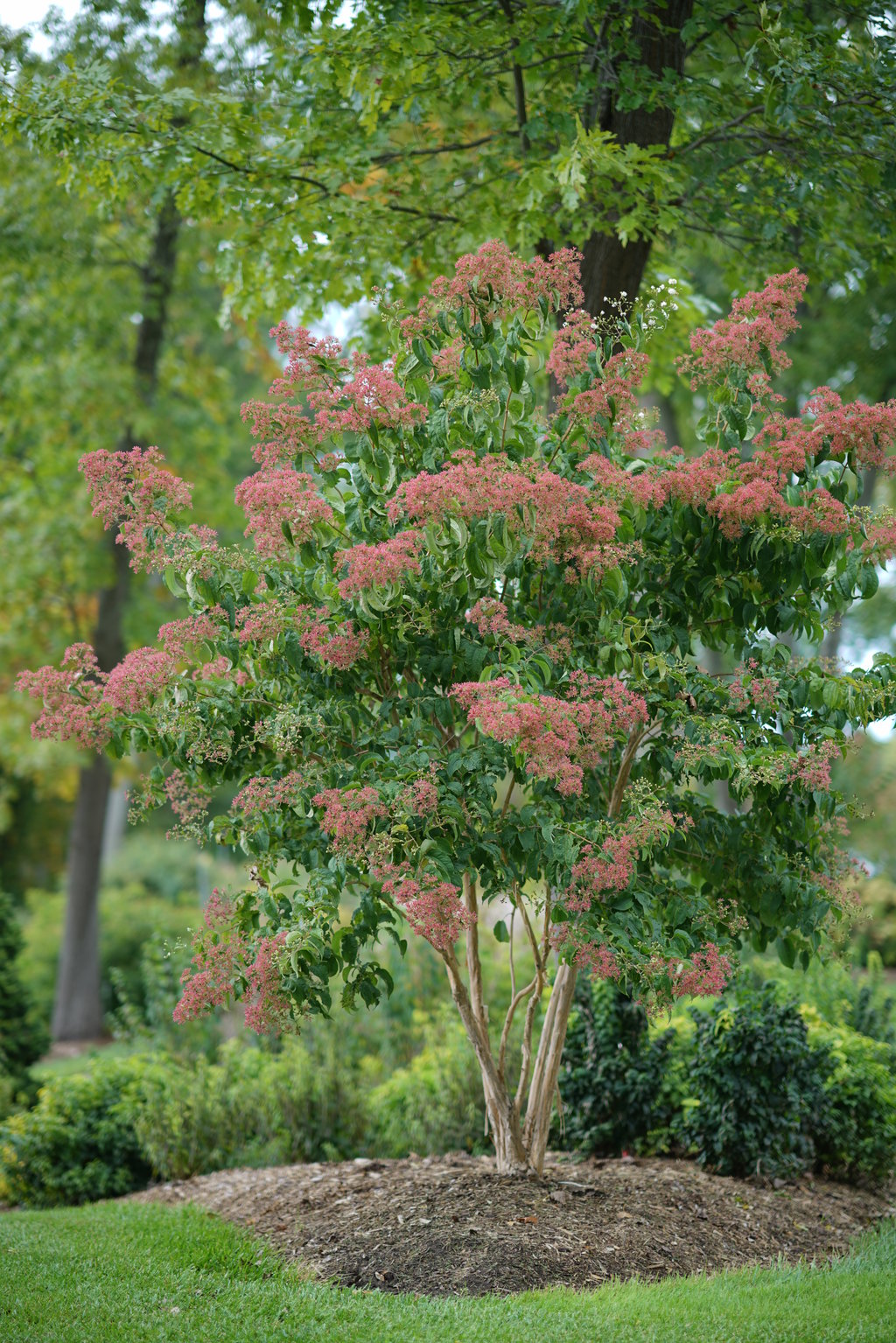
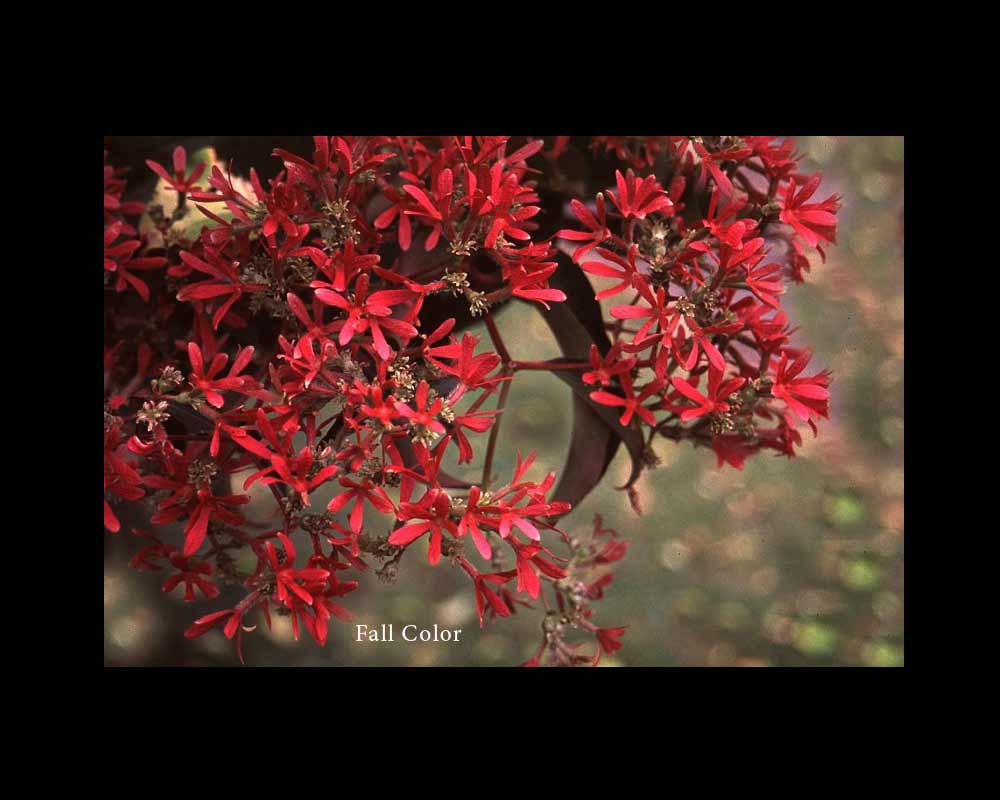
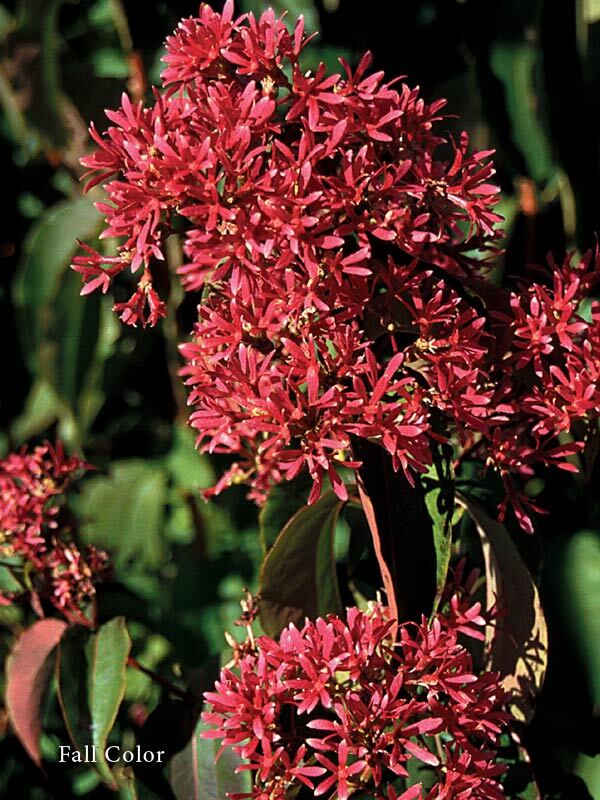
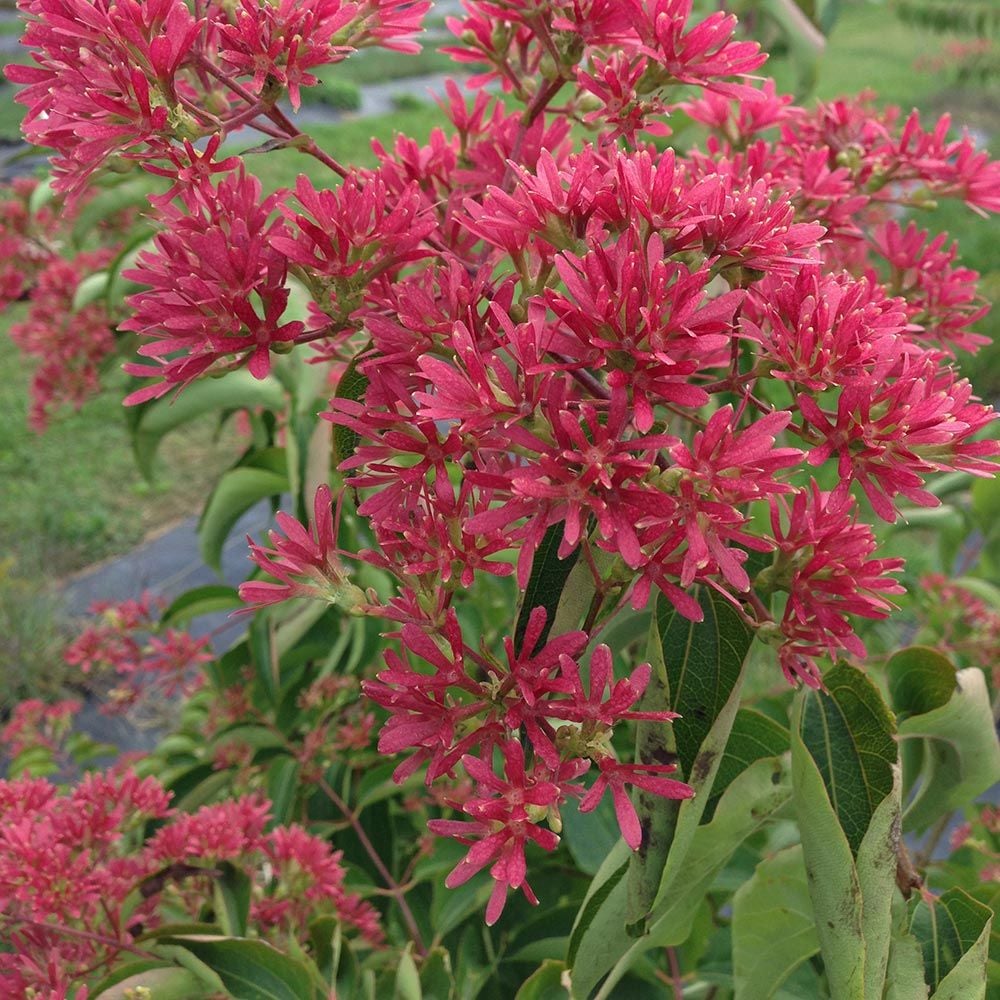
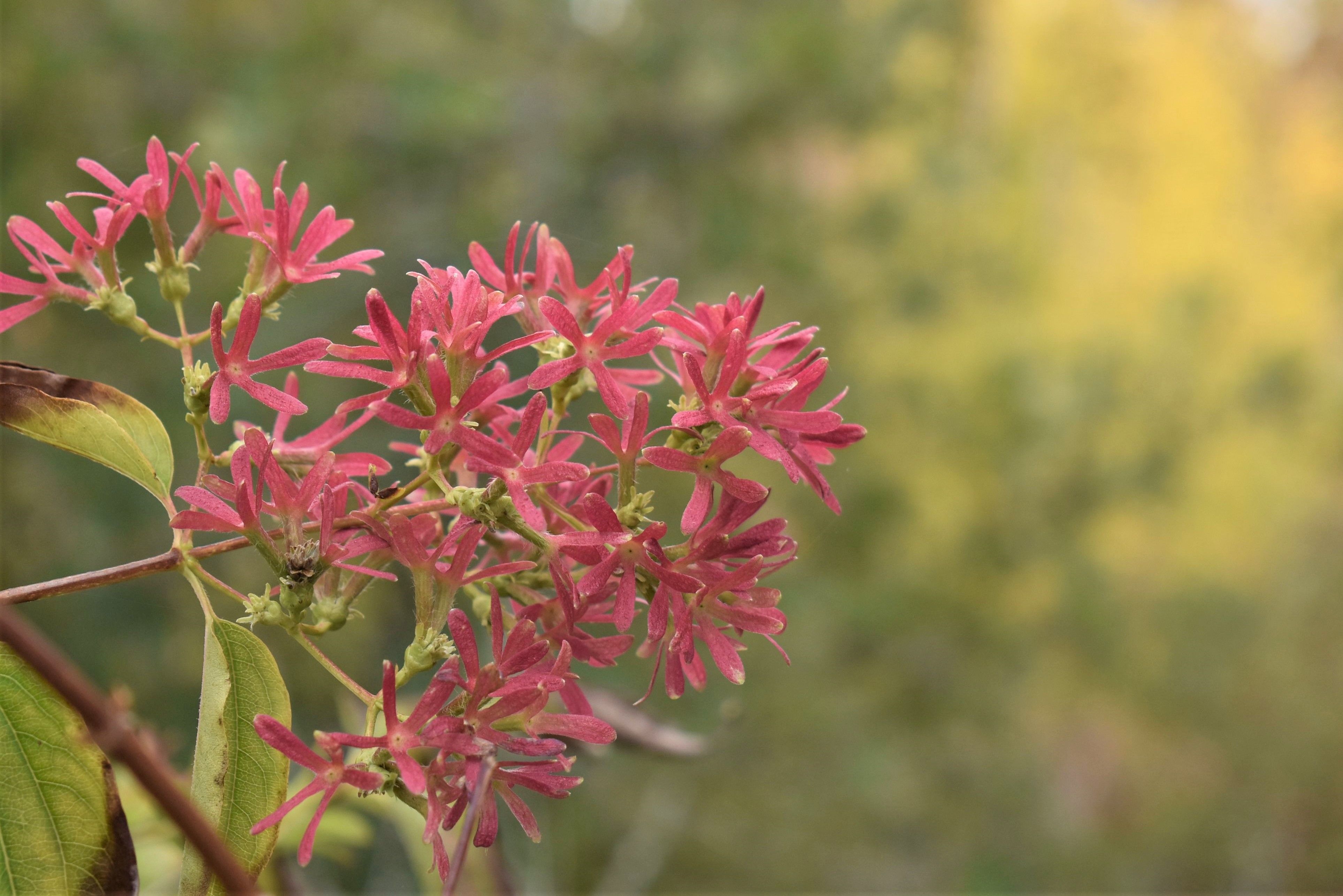
Calyces (flower bases) turn deep pink to red
Looks like a second bloom
👉 You get two flowering moments from one tree.
❄️ Winter: Peeling Bark Beauty
Bark exfoliates in strips
Reveals tan, brown, and gray tones
👉 Adds subtle winter texture when everything else is bare.
🌱 Growing Conditions
☀️ Light
Best: Full sun
Tolerates:
Part shade
👉 More sun = better flowering.
💧 Water
Establishment: Regular watering
Mature: Low to moderate water
👉 Fairly drought-tolerant once established.
🌱 Soil
Adaptable:
Clay
Loam
Sandy soils
👉 Prefers well-draining soil, but not fussy.
✂️ Care & Maintenance
Pruning
Can be grown as:
Multi-trunk tree
Single trunk (trained)
Best time:
Late winter (before growth starts)
Fertilizing
Minimal needs
Compost in spring is sufficient
Growth Habit
Naturally airy and slightly irregular
Adds a relaxed, natural feel to the garden
🌿 Landscape Uses
🌳 Small Feature Tree
Perfect for:
Courtyards
Near patios
Entry areas
🌿 Multi-Trunk Accent
Sculptural branching adds character
Works well in naturalistic designs
🌸 Seasonal Interest Tree
Provides:
Flowers
Color
Bark texture
👉 Few trees offer this much variety.
⚠️ Things to Know
Not widely available in all nurseries
Young trees may look sparse initially
Becomes more beautiful with age
🌿 How Fast Does It Grow?
Moderate growth rate
Establishes well in:
2–3 years
💡 Worth the wait—it improves every year.
🌟 Key Takeaways
Rare tree with interest in all four seasons
Blooms in late summer when little else does
Provides pollinator support + ornamental value
Adaptable and relatively low maintenance
Ideal for smaller gardens or focal points
🌿 Final Thoughts
The Seven-Son Flower isn’t flashy at first glance—but it rewards patience.
It’s the kind of tree that:
Reveals itself slowly
Changes with the seasons
Becomes more beautiful each year
If you’re designing a garden that feels:
Layered
Evolving
Thoughtful
This is a tree that brings quiet sophistication—and keeps surprising you long after it’s planted.
Comments
Post a Comment