Geum
🌼 Geum: Airy Blooms and Long-Season Color for Effortless Borders
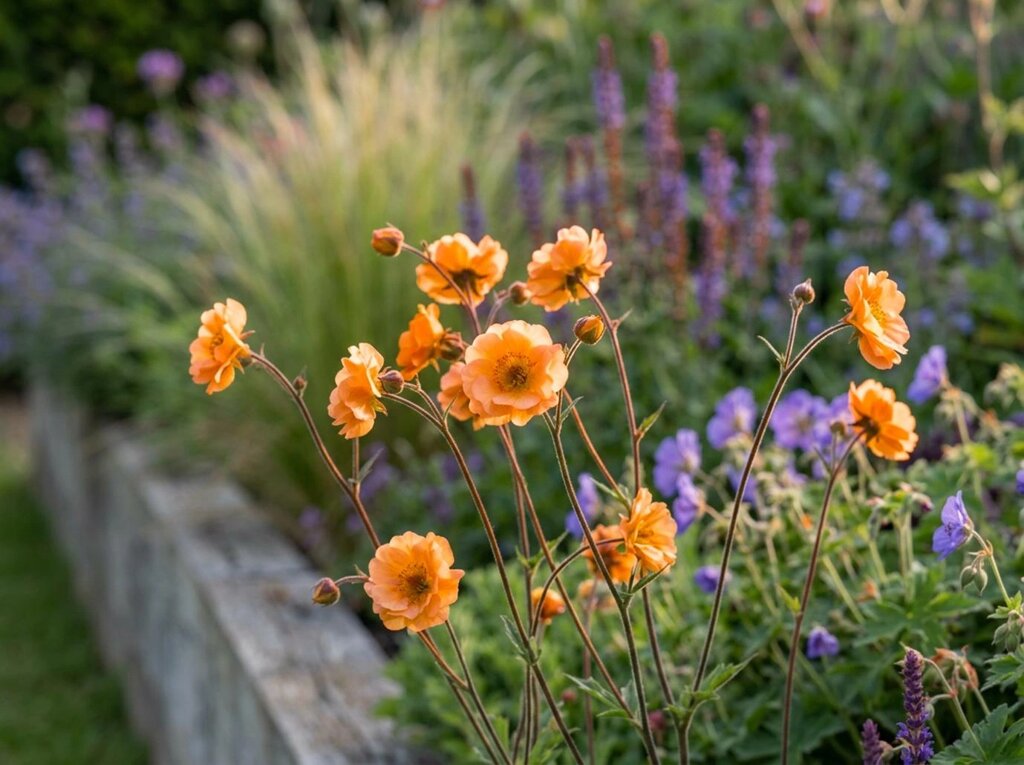
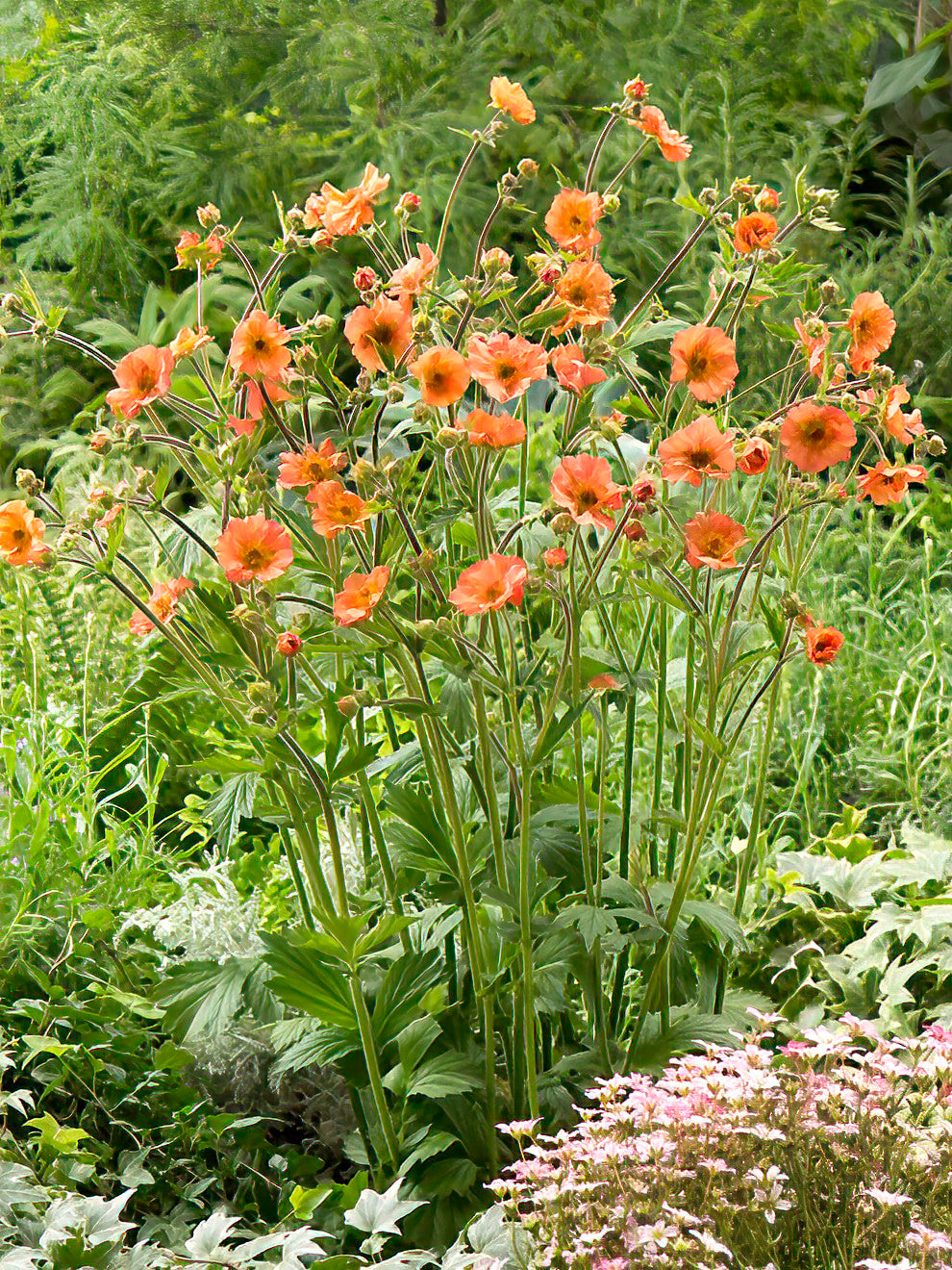
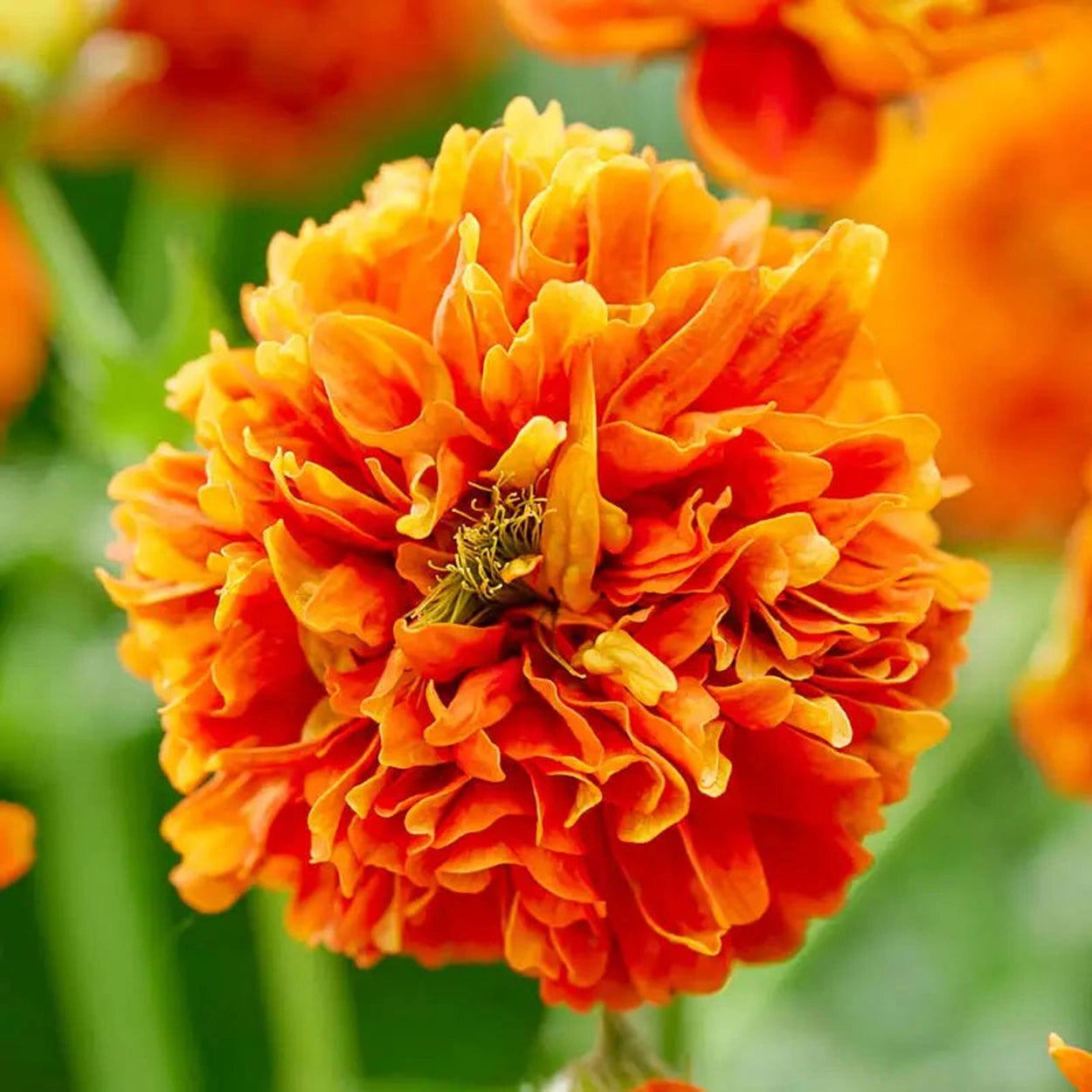

If you’re looking for a perennial that brings lightness, movement, and weeks of color without feeling heavy, Geum is one of the most quietly effective plants you can grow.
With its delicate, nodding flowers on wiry stems, Geum adds a sense of airiness and rhythm—perfect for softening structured plantings or enhancing naturalistic designs.
🌼 Quick Facts
Botanical name: Geum spp.
Common name: Geum, avens
Plant type: Herbaceous perennial
Native to: Europe, Asia, Americas (varies by species)
USDA zones: 5–9
Height: 12–24 inches (flowers up to 30 inches)
Width: 12–18 inches clumps
Light: Full sun → part shade
Water: Moderate
Bloom time: Spring → early summer (often reblooms)
Wildlife: Bees, pollinators
🌿 Why Geum Deserves a Spot in the Garden
1. Airy, Floating Flowers 🌸
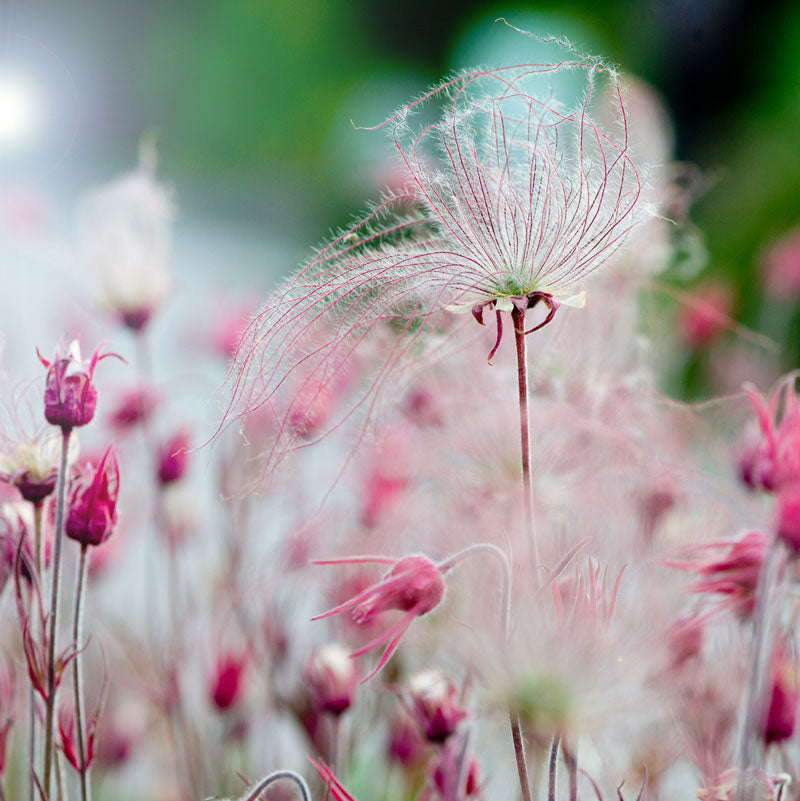
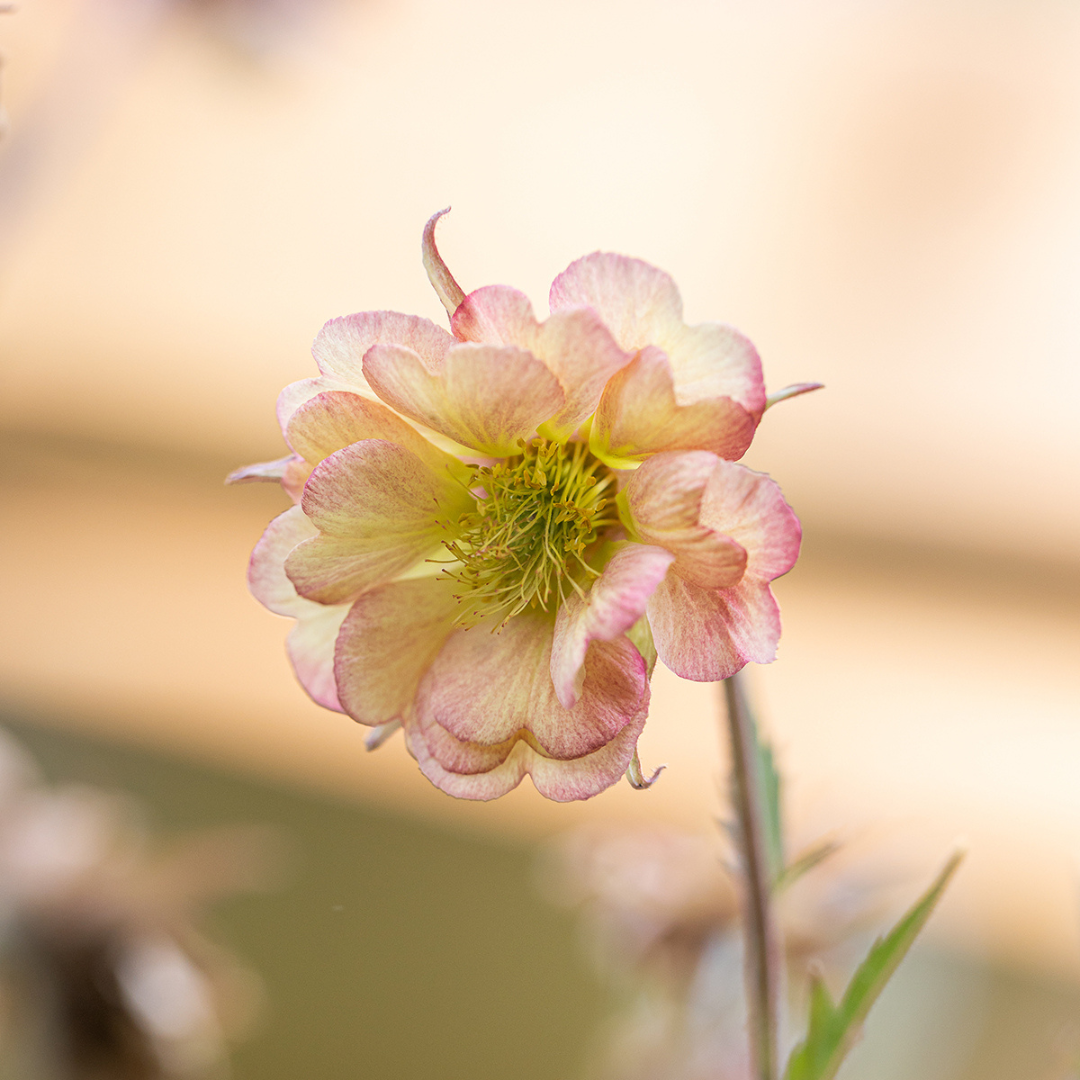
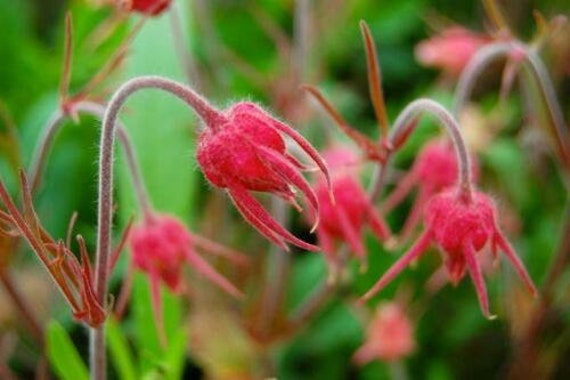
Small, open flowers held on thin, branching stems
Creates a light, floating effect above foliage
👉 It adds movement and softness without visual clutter.
2. Warm, Versatile Color Palette 🎨
Geum flowers come in:
Apricot
Orange
Yellow
Red
Soft pink
👉 These tones blend beautifully with both:
Cool palettes
Warm, sunlit plantings
3. Long Bloom Season 🌼
Blooms heavily in spring
Often reblooms into summer with light care
👉 A reliable way to keep color going between major bloom cycles.
🌱 Popular Varieties
‘Totally Tangerine’ → tall, airy, nonstop apricot blooms
‘Mai Tai’ → soft peach tones
‘Mrs. J. Bradshaw’ → classic red
‘Lady Stratheden’ → bright yellow
👉 Choose based on:
Height
Color palette
Formal vs natural look
🌱 Growing Conditions
☀️ Light
Best:
Full sun (cool climates)
Tolerates:
Part shade (especially in warmer areas)
👉 Afternoon shade helps in hotter regions.
💧 Water
Needs:
Regular watering
Soil should stay:
Evenly moist
👉 Does not like prolonged drought.
🌱 Soil
Prefers:
Rich, well-draining soil
Benefits from:
Compost
👉 Healthy soil = longer bloom time.
✂️ Care & Maintenance
Deadheading (Key for rebloom)
Remove spent flowers regularly
Encourages:
Continuous blooming
Pruning
Cut back lightly after first bloom flush
Refreshes plant for another round
Fertilizing
Light feeding in spring
Avoid overfeeding
🌿 Growth Habit
Forms low clumps of foliage
Sends up airy flowering stems
Expands gradually
💡 Not invasive—easy to manage.
🌿 Landscape Uses
🌸 Mixed Borders
Excellent “weaving” plant
Fills gaps without crowding
🌿 Cottage Gardens
Fits perfectly into:
Informal, layered designs
🌿 Naturalistic Planting
Works well in:
Meadow-style gardens
🌸 Containers
Compact varieties do well in pots
🌿 Fresh Pairing Ideas
To complement Geum’s airy, warm-toned blooms:
🌿 For structure contrast
Delphinium → tall, vertical spikes
Penstemon → upright flowering stems
🌸 For color harmony
Achillea (yarrow) → flat-topped blooms
Coreopsis → bright, cheerful yellow
🌿 For texture layering
Stachys byzantina (lamb’s ear) → soft, silvery foliage
Alchemilla mollis (lady’s mantle) → frothy green flowers
🌼 For extended bloom sequence
Salvia nemorosa → early summer spikes
Echinacea → mid to late summer color
👉 These combinations create a layered, long-blooming border with movement and warmth.
⚠️ Common Problems
| Issue | Cause | Fix |
|---|---|---|
| Short bloom time | Not deadheaded | Remove spent flowers |
| Weak growth | Poor soil | Add compost |
| Leaf decline | Heat stress | Provide shade |
🌿 How Fast Does It Grow?
Moderate growth
Establishes in:
1–2 years
💡 Becomes more floriferous with age.
🌟 Key Takeaways
Light, airy perennial with long bloom time
Adds movement and softness to plantings
Thrives in:
Sun to part shade
Moist, well-drained soil
Ideal for:
Borders
Cottage gardens
Layered designs
🌿 Final Thoughts
Geum is one of those plants that doesn’t dominate—but makes everything around it better.
It fills the space between bold plants with:
Light
Movement
Warmth
If your garden ever feels:
Too dense
Too static
Missing that “in-between” layer
Geum is often the piece that brings it all together—quietly, beautifully, and for weeks on end.
Comments
Post a Comment