French Lavender (Lavandula dentata)
💜 French Lavender (Lavandula dentata): Easy, Fragrant, and Effortlessly Elegant

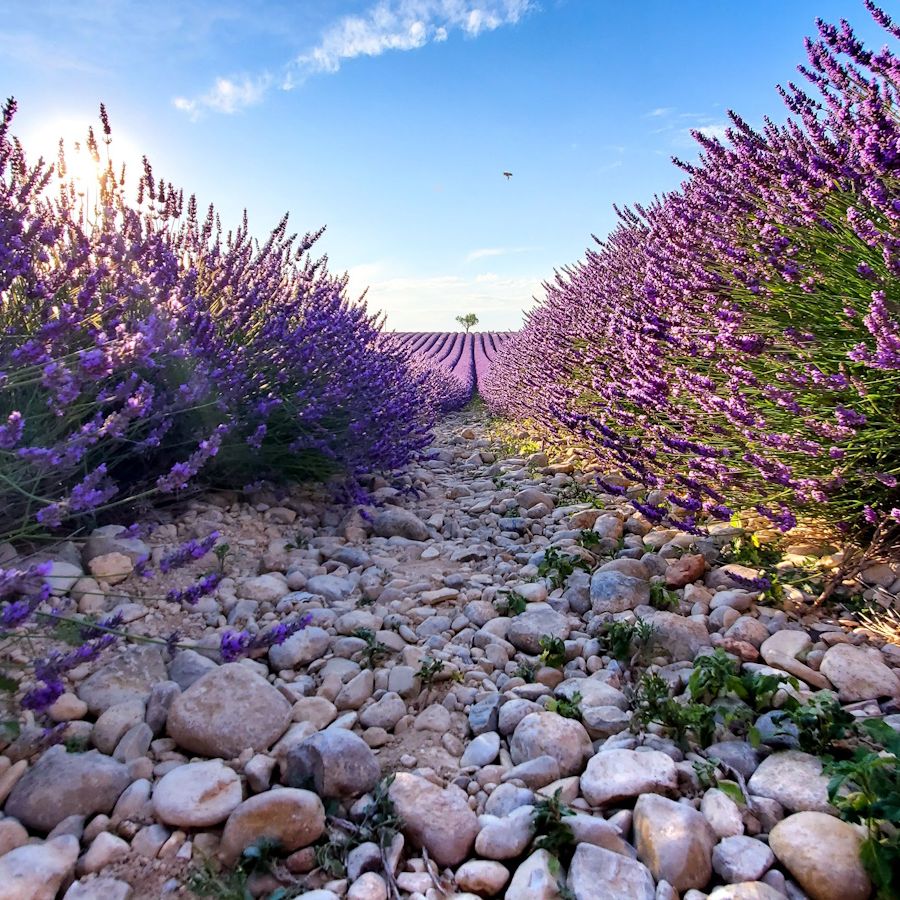

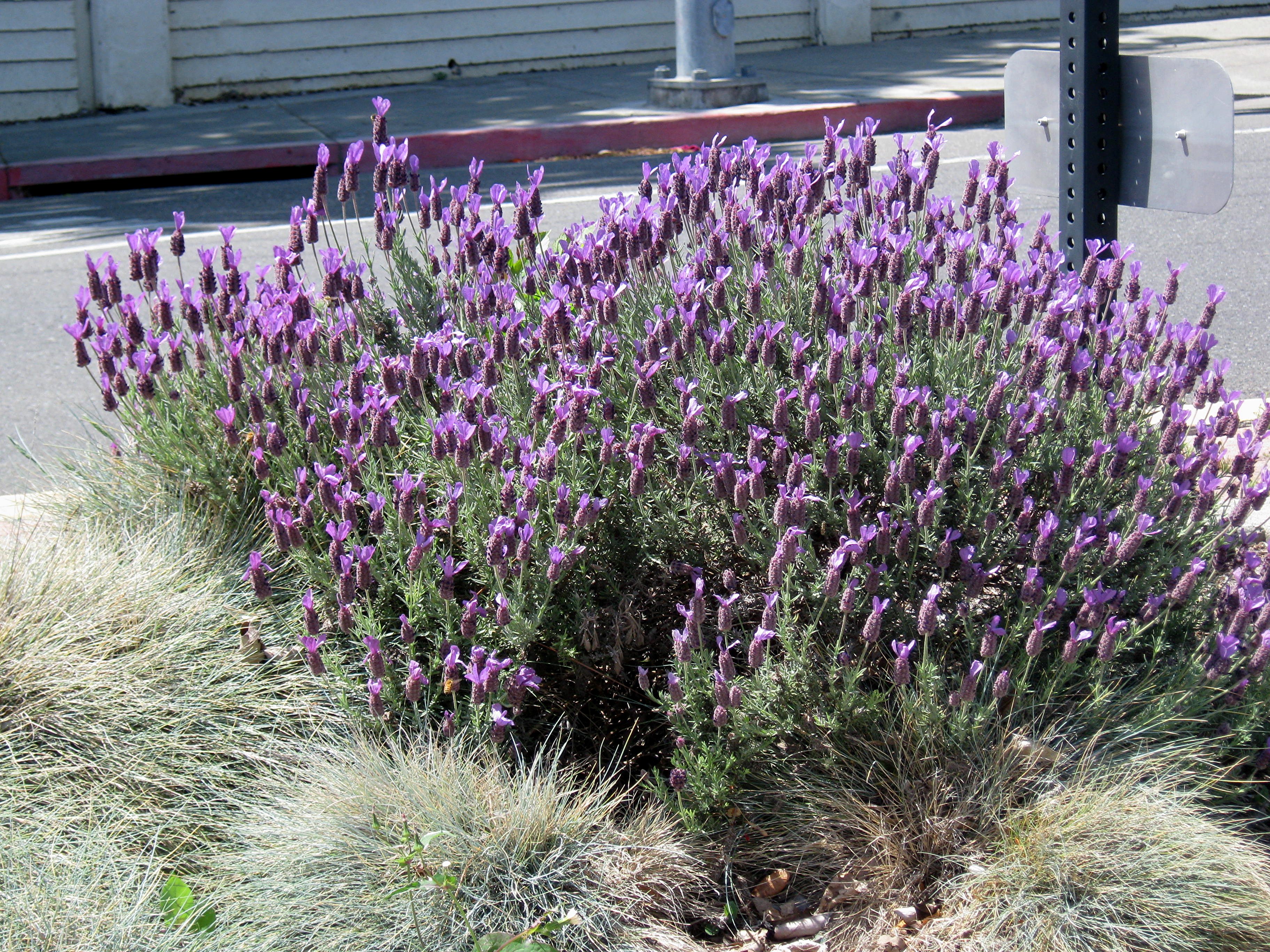
If you want a plant that feels relaxed, fragrant, and always put-together, French lavender (Lavandula dentata) is one of the easiest ways to get there.
Unlike fussier lavenders, this variety is known for its long bloom season, soft gray-green foliage, and forgiving nature—making it a favorite in California gardens.
🌼 Quick Facts
Botanical name: Lavandula dentata
Common name: French lavender
Plant type: Evergreen shrub
Native to: Mediterranean region
USDA zones: 8–10
Height: 2–3 ft
Width: 3–4 ft
Light: Full sun
Water: Low once established
Bloom time: Nearly year-round in mild climates
Wildlife: Bees, pollinators
🌿 What Makes French Lavender Different?
1. Long Bloom Season 🌸
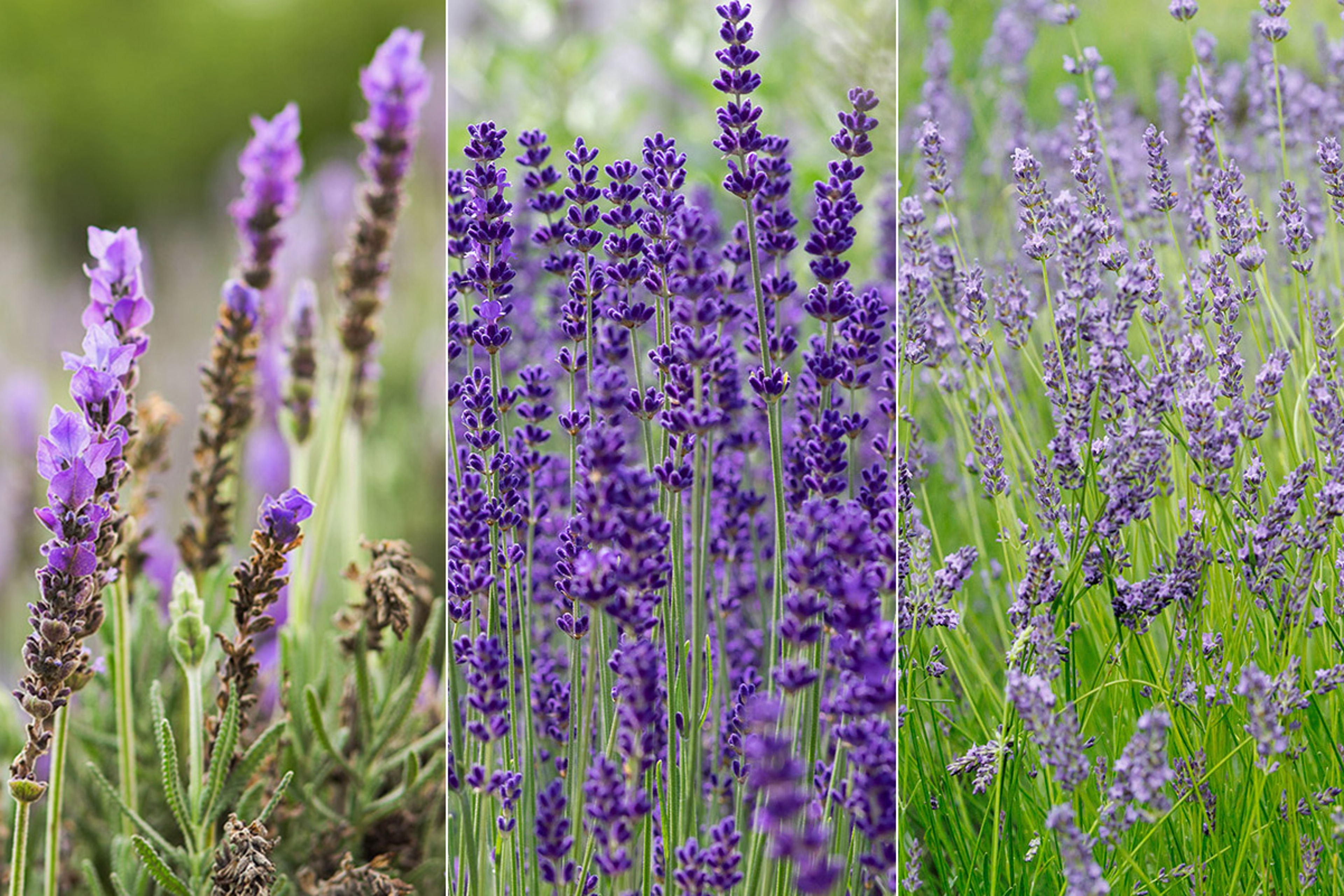


French lavender is not a one-season wonder:
Blooms on and off all year in mild climates
Peak flowering in:
Spring
Fall
👉 You’ll almost always have color + fragrance in the garden.
2. Soft, Serrated Foliage 🌿
Leaves are:
Gray-green
Slightly toothed (dentate edges)
Highly aromatic
👉 Even without flowers, it looks beautiful and smells amazing.
3. More Forgiving Than Other Lavenders ☀️
Compared to English lavender:
Handles humidity better
More tolerant of imperfect conditions
Easier for beginners
👉 A great “starter lavender” that still looks refined.
🌱 Growing Conditions
☀️ Light
Needs: Full sun (6+ hours)
Less sun = fewer blooms + leggy growth
💧 Water
First year: Regular watering
After:
👉 Low water
⚠️ Biggest mistake:
Overwatering → root rot
🌱 Soil
Must have:
Excellent drainage
Thrives in:
Sandy
Gravelly soil
🚫 Avoid:
Heavy, wet clay
✂️ Care & Maintenance
Pruning
Light trim after each bloom cycle
Helps:
Maintain shape
Encourage more flowers
💡 Think: frequent light trims, not heavy cuts.
Fertilizing
Not needed
Too much fertilizer = fewer flowers
Longevity
Moderate lifespan (5–10 years)
Replace or refresh as needed
🌿 Landscape Uses
🌿 Low Hedges & Borders
Perfect for:
Pathways
Driveway edges
Easy to keep tidy
🌸 Mediterranean Gardens
Pairs beautifully with:
Gravel
Stone
Terracotta
🌿 Containers
Thrives in pots with:
Good drainage
Great for patios and decks
🌿 Plant Pairing Ideas
To complement French lavender’s soft texture and color:
🌿 Structural contrast
Phormium (New Zealand flax) → bold, upright form
Agave attenuata → sculptural softness
🌸 Color layering
Coreopsis → warm yellow contrast
Verbena bonariensis → airy purple vertical accents
🌿 Texture contrast
Helichrysum italicum (curry plant) → fine, silvery foliage
Santolina chamaecyparissus → soft mounding texture
🌼 Seasonal interest
Allium → architectural spring blooms
Euphorbia characias → spring structure + lime tones
👉 These combinations create a Mediterranean-inspired, drought-tolerant palette with movement and contrast.
⚠️ Common Problems
| Issue | Cause | Fix |
|---|---|---|
| Leggy growth | Not enough sun | Move to sunnier spot |
| Yellowing | Overwatering | Reduce irrigation |
| Woody base | Age | Prune regularly |
| Poor blooms | Too much fertilizer | Stop feeding |
🌿 How Fast Does It Grow?
Moderate growth rate
Fills out nicely within:
1–2 years
💡 Great for quickly establishing borders.
🌟 Key Takeaways
One of the easiest lavenders to grow
Provides long-lasting blooms + fragrance
Thrives in full sun + low water conditions
Ideal for:
Borders
Containers
Mediterranean-style gardens
🌿 Final Thoughts
French lavender is the kind of plant that makes a garden feel effortless.
It doesn’t demand much:
Just sun
Good drainage
A light trim now and then
And in return, it gives you:
Fragrance
Color
Texture
Calm
If you want a garden that feels relaxed, cohesive, and always a little bit in bloom, this is a plant you’ll reach for again and again.
Comments
Post a Comment