Fremontodendron (Flannel Bush)
🌼 Fremontodendron (Flannel Bush): California’s Golden Spring Powerhouse
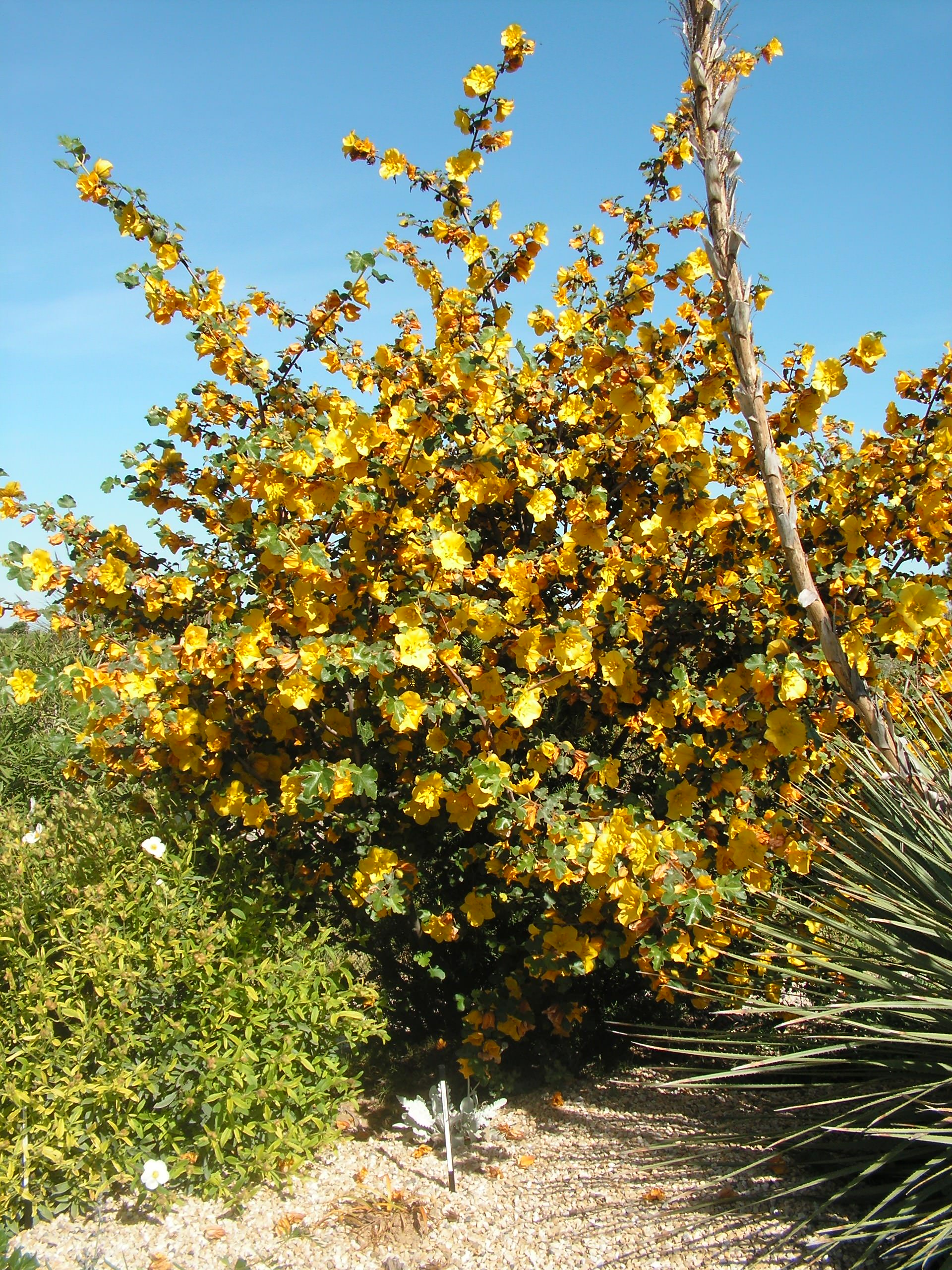
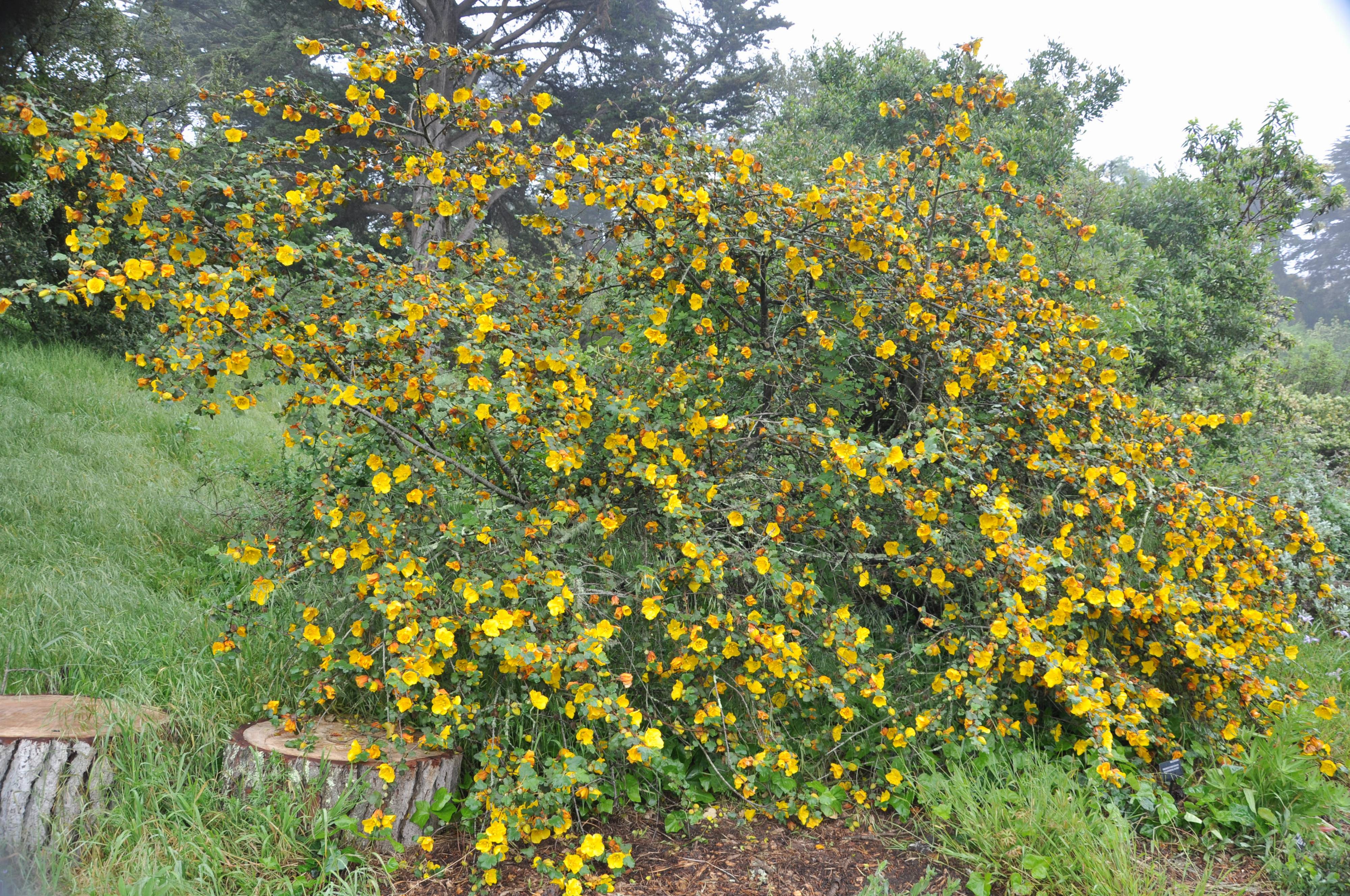

If you want a plant that delivers pure, unapologetic California sunshine, few can compete with Fremontodendron, commonly known as flannel bush.
When in bloom, it transforms into a mass of brilliant golden-yellow flowers—so vivid it almost glows. But this plant isn’t just about color. It’s about bold structure, drought resilience, and dramatic seasonal impact.
🌿 What is Fremontodendron?
Fremontodendron is a genus of California native shrubs and small trees known for:
Large, buttery yellow flowers
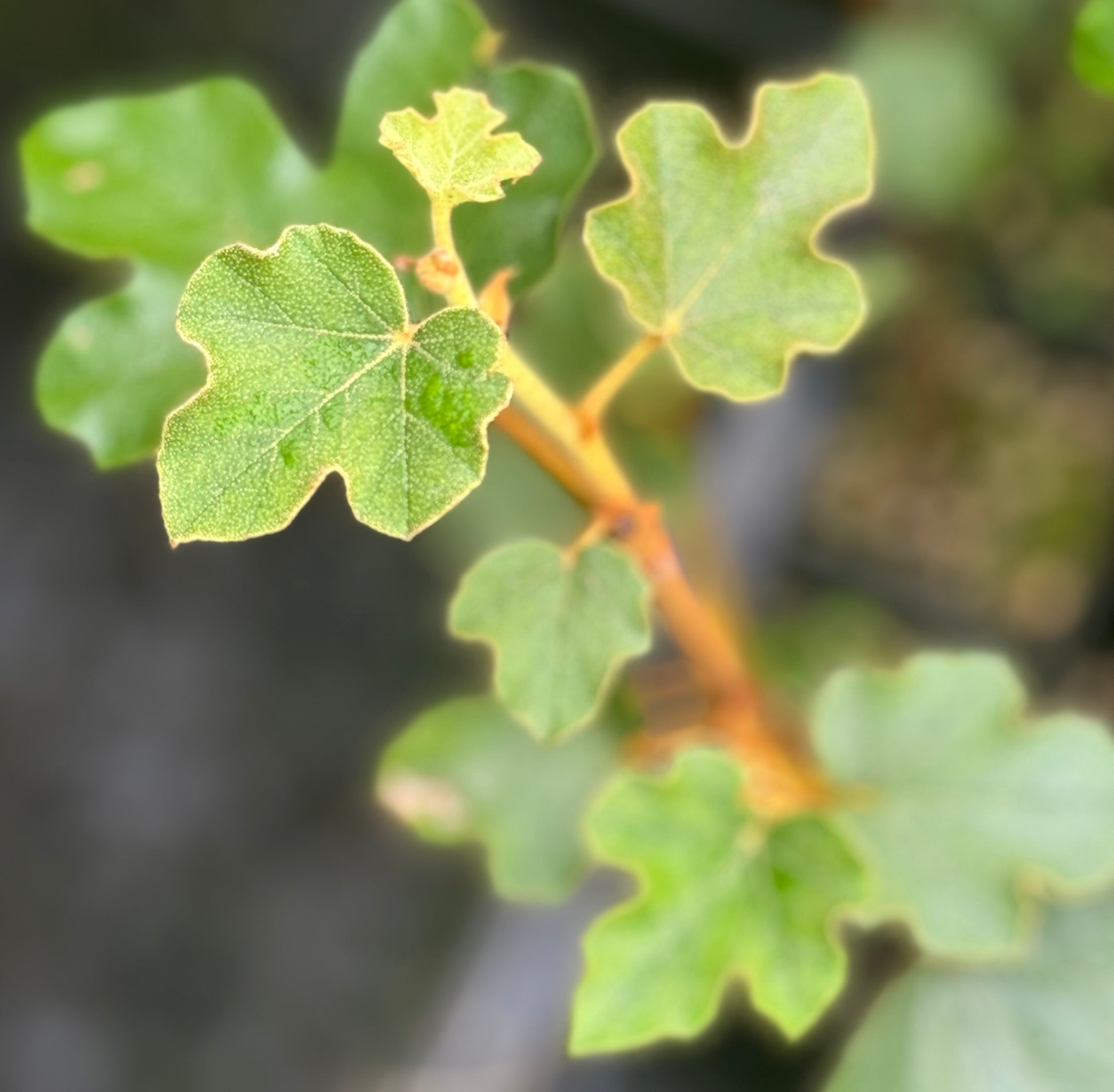
Fuzzy, flannel-like leaves
Rapid growth and bold presence
🌼 Common Types
Fremontodendron californicum → classic native species
‘California Glory’ → popular hybrid, more garden-friendly
‘Ken Taylor’ → compact, spreading form
🌼 Quick Facts
Botanical name: Fremontodendron spp.
Common name: Flannel bush
Plant type: Evergreen shrub / small tree
Native to: California
USDA zones: 8–10
Height: 6–20 ft (varies widely)
Width: 6–15 ft
Light: Full sun
Water: Very low once established
Bloom time: Spring (March–May)
Wildlife: Pollinators
🌸 Why Flannel Bush is So Striking
1. Electric Yellow Blooms 💛


Large, open flowers (2–4 inches wide)
Intense golden-yellow color
Blooms cover the plant in spring
👉 From a distance, it reads as a solid mass of gold.
2. Fast Growth, Big Impact 🌿
One of the fastest-growing native shrubs
Quickly becomes:
A large shrub
Or small tree
👉 Perfect when you want instant presence in a garden.
3. Built for Tough Conditions ☀️
Fremontodendron thrives in:
Dry, rocky soils
Hot sun
Minimal irrigation
👉 Ideal for:
Slopes
Dry gardens
Low-maintenance landscapes
🌱 Growing Conditions (Critical to Success)
☀️ Light
Requires: Full sun
Less sun = poor flowering and weak growth
💧 Water (Most Important Rule ⚠️)
Establishment: Light, careful watering
After:
👉 Almost no summer water
🚫 The biggest mistake:
Overwatering → root rot → sudden death
💡 This plant wants:
Dry summers + excellent drainage
🌱 Soil
Must have:
Fast drainage
Thrives in:
Sandy
Rocky
Lean soils
🚫 Avoid:
Clay that stays wet
Rich, heavily amended soil
⚠️ Important Note: Handle with Care
Leaves have a soft, fuzzy coating
Can irritate skin in some people
👉 Wear gloves when pruning or handling.
✂️ Care & Maintenance
Pruning
Minimal pruning needed
Best time:
After flowering
⚠️ Avoid:
Hard pruning into old wood
Fertilizing
Do NOT fertilize
Rich soil reduces performance
Longevity
Moderate lifespan
Fast growth makes it rewarding early
🌿 Landscape Uses
🌄 Slope Planting
Excellent for erosion control
Thrives on difficult sites
🌿 Backdrop or Anchor Plant
Strong architectural presence
Best placed:
At the back of borders
As a focal shrub/tree
🌸 Naturalistic & Native Gardens
Fits seamlessly into:
Wild, California-style landscapes
🌿 Plant Pairing Ideas
To complement its bold yellow and coarse texture:
🌿 For contrast in texture
Stipa tenuissima (Mexican feather grass) → soft, airy movement
Lomandra ‘Breeze’ → structured, strappy foliage
🌸 For color balance
Lavandula (lavender) → cool purple contrast
Salvia ‘Amistad’ → deep violet accents
🌿 For structural layering
Arctostaphylos (manzanita) → sculptural form + red bark
Westringia fruticosa → soft gray-green mounding shrub
🌼 For seasonal succession
Eschscholzia californica (California poppy) → spring echo
Gaura lindheimeri → airy summer blooms
👉 Together, these create a dynamic, drought-tolerant planting with movement and contrast.
⚠️ Common Problems
| Issue | Cause | Fix |
|---|---|---|
| Sudden dieback | Overwatering | Reduce irrigation |
| Sparse growth | Too much shade | Move to full sun |
| Weak structure | Rich soil | Avoid fertilizing |
🌿 How Fast Does It Grow?
Fast-growing
Can reach near full size in:
3–5 years
💡 One of the quickest ways to establish a bold landscape feature.
🌟 Key Takeaways
One of the most dramatic flowering California natives
Thrives in hot, dry, low-water conditions
Fast-growing with strong visual impact
Requires:
Full sun
Excellent drainage
Minimal summer water
🌿 Final Thoughts
Fremontodendron is not a subtle plant—it’s a statement.
It brings:
Light
Energy
A sense of wild California landscape
into your garden in a way few plants can.
But it asks for one thing in return:
👉 Respect its need for dry conditions.
Get that right, and it will reward you with one of the most unforgettable spring displays you’ll ever grow.
Comments
Post a Comment