Euphorbia
🌿 Euphorbia: Architectural Drama with Almost No Effort

If you want a plant that looks modern, sculptural, and just a little bit unexpected, Euphorbia might be your new favorite.
With its glowing lime-green blooms, striking foliage, and extreme drought tolerance, Euphorbia adds a kind of quiet architectural confidence to a garden—without demanding much in return.
🌼 What is Euphorbia?
Euphorbia is a large genus (over 2,000 species!) that includes:
Perennials
Shrubs
Succulents
They’re known for:
Chartreuse (lime-green) flowers
Unique textures and forms
Tough, drought-adapted nature
🌿 Popular Garden Types
🌼 Euphorbia characias (Mediterranean spurge)
Upright, shrub-like
Lime-green flower heads in spring
Excellent for structure
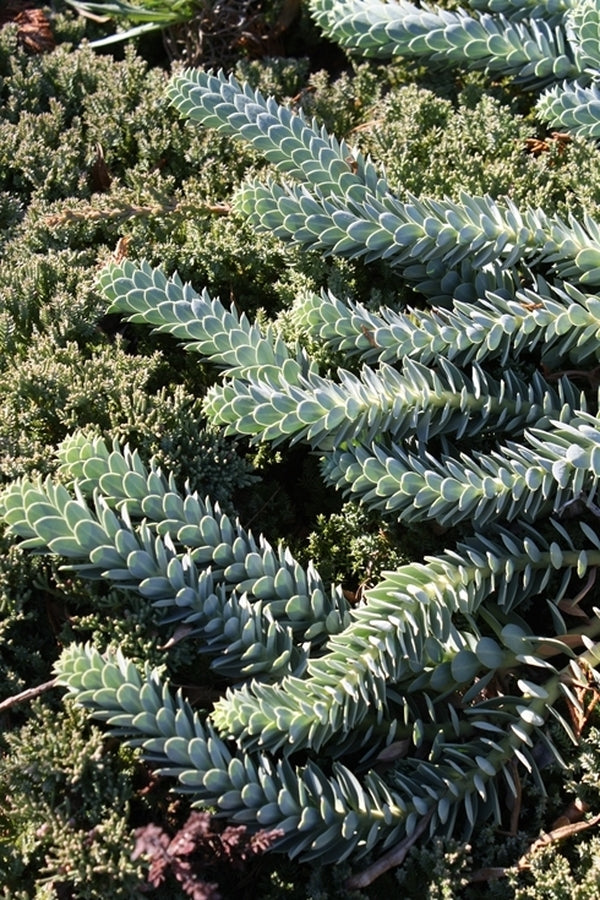
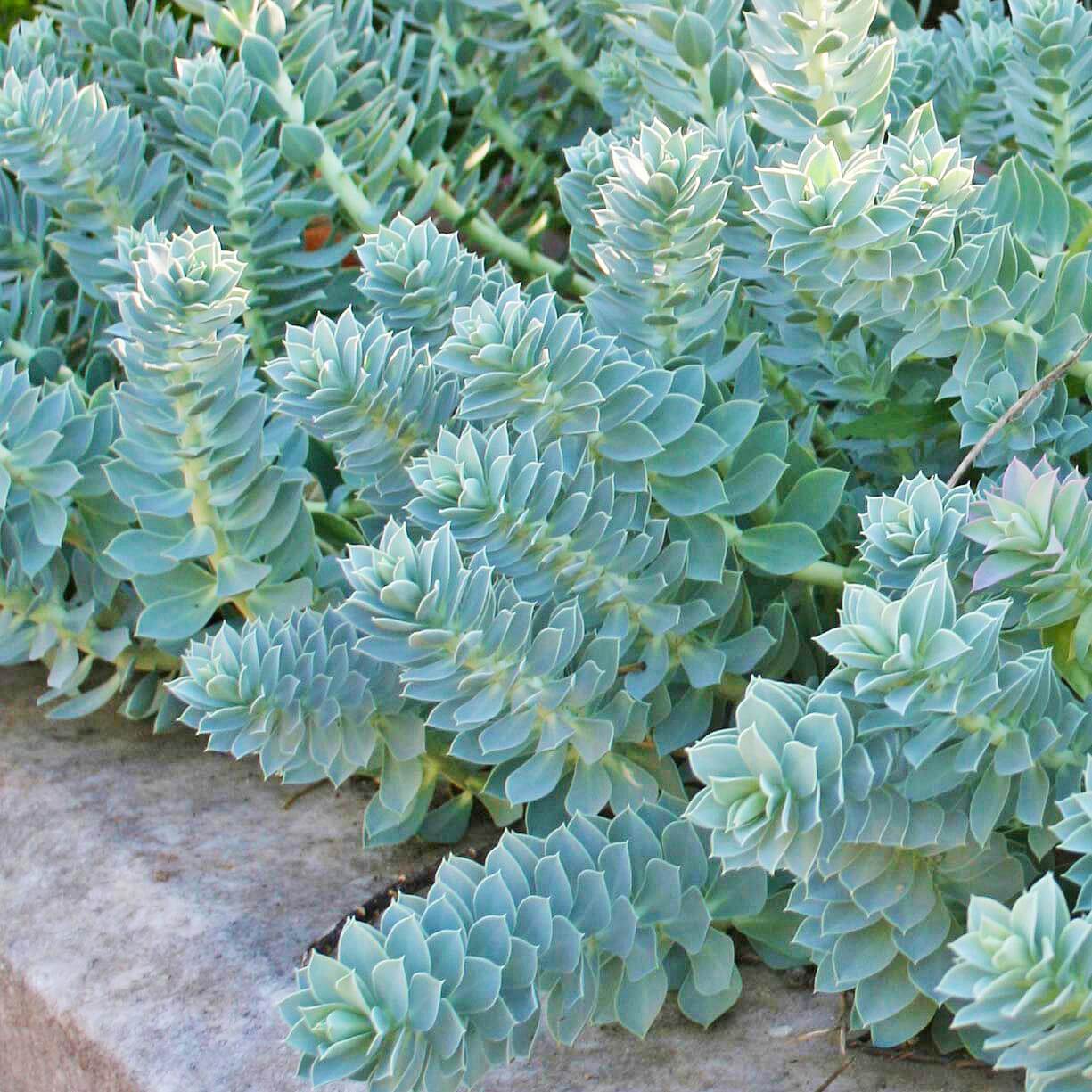
🌿 Euphorbia myrsinites (Donkey tail spurge)
Low, trailing form
Blue-gray foliage
Great for edging and slopes
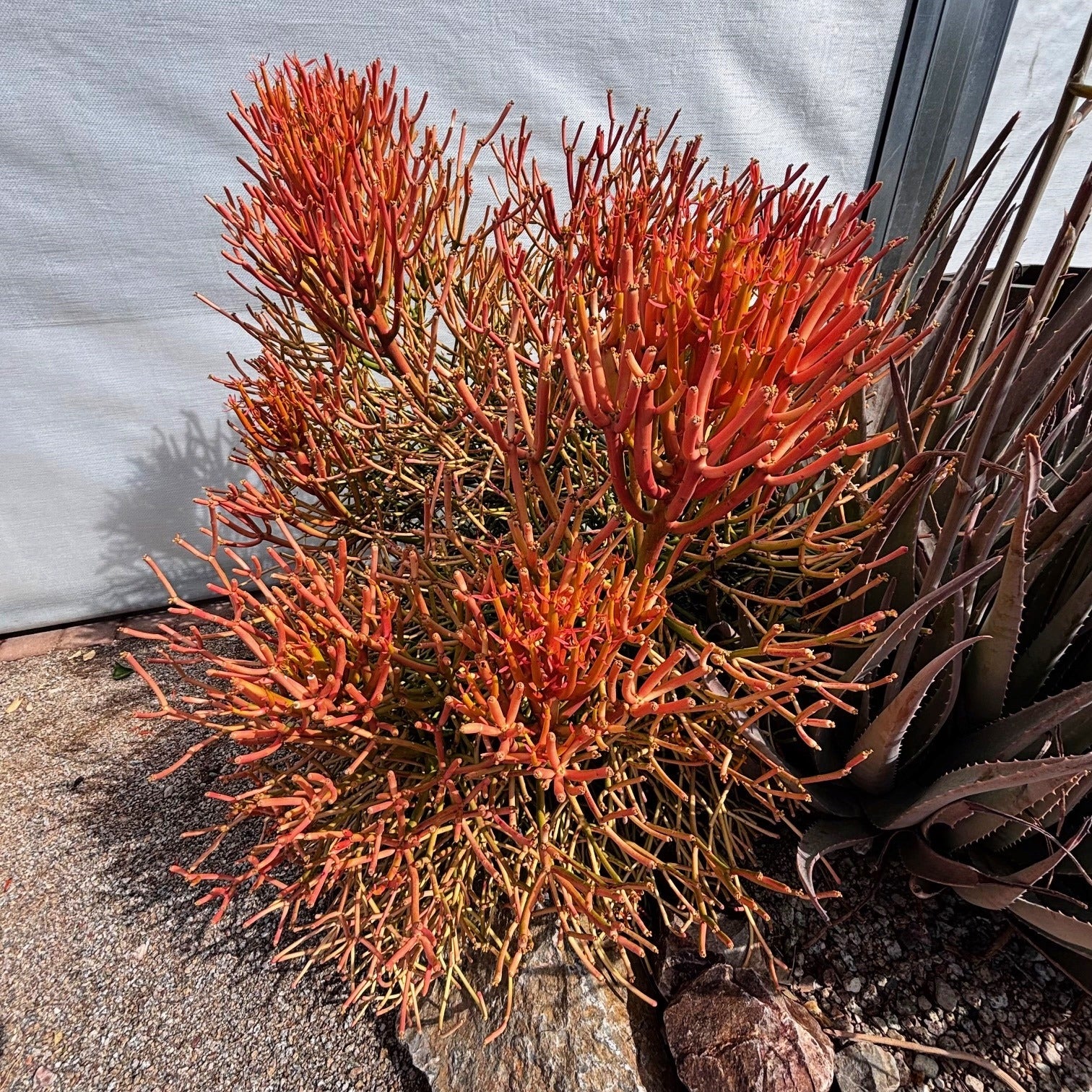
🌵 Euphorbia tirucalli (Pencil cactus)
Tall, sculptural, almost coral-like
Often turns orange in sun
Strong modern aesthetic
🌿 Cultivars (for color contrast)
‘Blackbird’ → dark purple foliage
‘Ascot Rainbow’ → variegated leaves
🌼 Quick Facts
Botanical name: Euphorbia spp.
Common name: Spurge
Plant type: Perennial / shrub / succulent
USDA zones: Varies (most 7–11)
Light: Full sun → part shade (depends on type)
Water: Low
Bloom time: Late winter → spring (most types)
Wildlife: Deer resistant
🌿 Why Euphorbia Works So Well
1. That Signature Lime Glow 💚


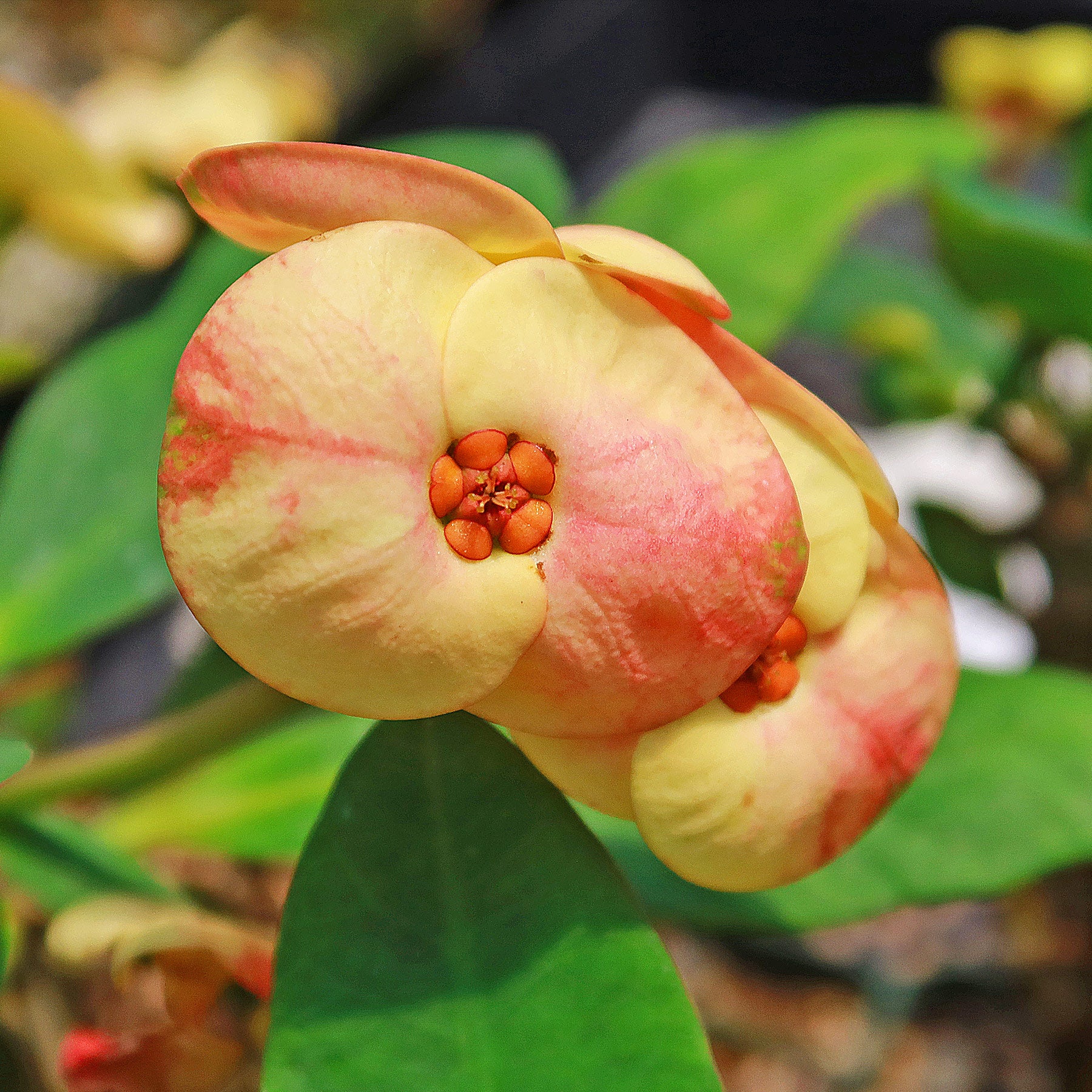

Euphorbia “flowers” are actually bracts:
Bright chartreuse color
Long-lasting
Glow in low light
👉 They act like a natural highlighter in the garden.
2. Strong Architectural Form 🌿
Upright, geometric shapes
Clean lines
Works beautifully in:
Modern designs
Mediterranean gardens
3. Extremely Drought-Tolerant ☀️
Thrives in dry conditions
Needs minimal irrigation
Performs well in poor soil
👉 Ideal for low-water landscapes.
🌱 Growing Conditions
☀️ Light
Most prefer:
Full sun
Some tolerate:
Part shade
💧 Water
Establishment: Regular watering
After:
👉 Low water
⚠️ Overwatering = root rot
🌱 Soil
Needs:
Excellent drainage
Thrives in:
Sandy
Gravelly soil
✂️ Care & Maintenance
Pruning
Cut back spent flower stems
For types like characias:
Remove entire flowering stalk after bloom
Fertilizing
Not needed
Too much fertilizer reduces performance
⚠️ Important Safety Note
Euphorbia sap is milky and irritating
Can cause:
Skin irritation
Eye irritation
👉 Always wear gloves when cutting.
🌿 Landscape Uses
🌿 Structural Accent
Adds form and contrast
🌸 Mixed Borders
Acts as a “bridge” between plants
🌿 Modern & Mediterranean Gardens
Works with:
Gravel
Stone
Minimalist layouts
🌿 Plant Pairing Ideas
To highlight Euphorbia’s unique color and structure:
🌿 For bold contrast
Berberis ‘Orange Rocket’ → fiery upright color
Leucadendron → sculptural + warm tones
🌸 For color harmony
Nigella (love-in-a-mist) → airy blue contrast
Scabiosa → soft purples
🌿 For texture layering
Festuca glauca → blue grass mounds
Carex testacea → warm-toned movement
🌼 For seasonal layering
Ranunculus → spring color bursts
Iceland poppies → soft, luminous flowers
👉 These create a textured, modern planting with strong color interplay.
⚠️ Common Problems
| Issue | Cause | Fix |
|---|---|---|
| Flopping stems | Too much shade | Increase sun |
| Rotting roots | Overwatering | Improve drainage |
| Leggy growth | Poor light | Relocate |
🌿 How Fast Does It Grow?
Moderate growth
Establishes well in:
1–2 years
💡 Some types spread slowly over time.
🌟 Key Takeaways
Distinctive lime-green blooms and sculptural form
Extremely drought-tolerant and low maintenance
Works in modern, Mediterranean, and mixed gardens
Requires:
Full sun
Excellent drainage
Minimal water
🌿 Final Thoughts
Euphorbia is one of those plants that quietly transforms a garden.
It doesn’t rely on bright colors or big flowers. Instead, it brings:
Structure
Contrast
A sense of design
If your garden needs something that feels:
Intentional
Architectural
Effortlessly modern
Euphorbia might be exactly what’s missing.
Comments
Post a Comment