Eastern Redbud (Cercis canadensis)
🌸 Eastern Redbud (Cercis canadensis): Spring’s Most Magical Tree
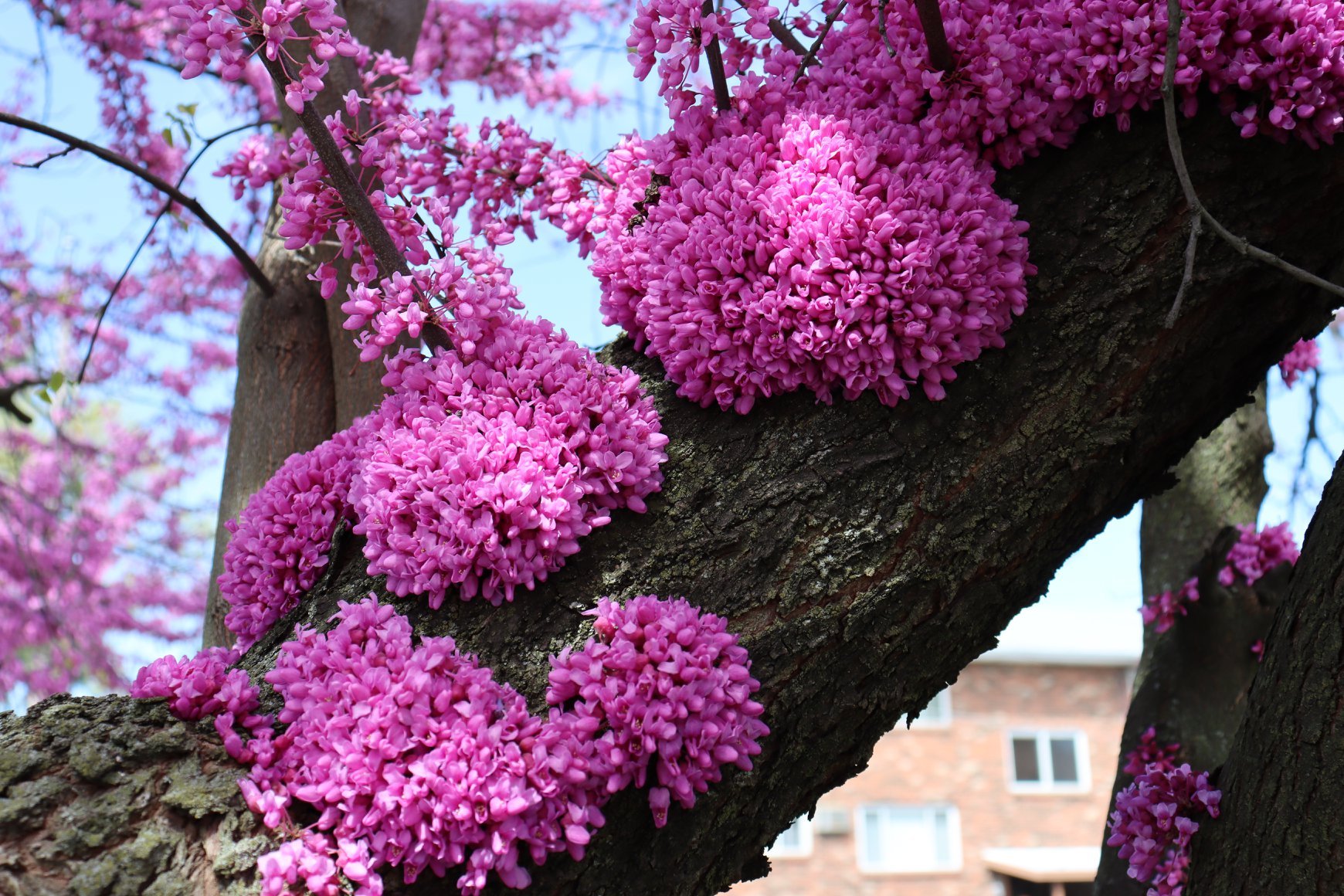
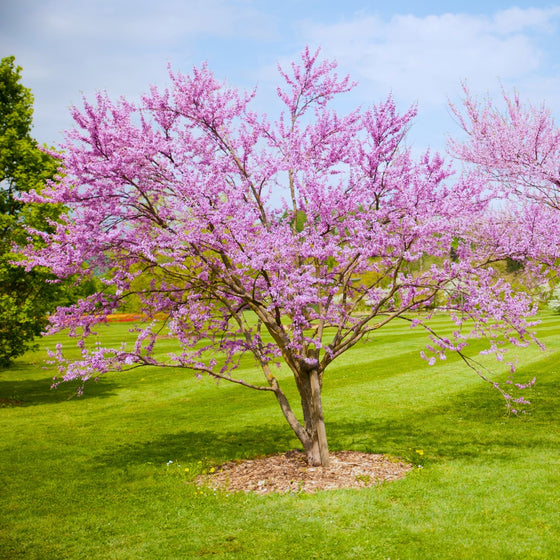

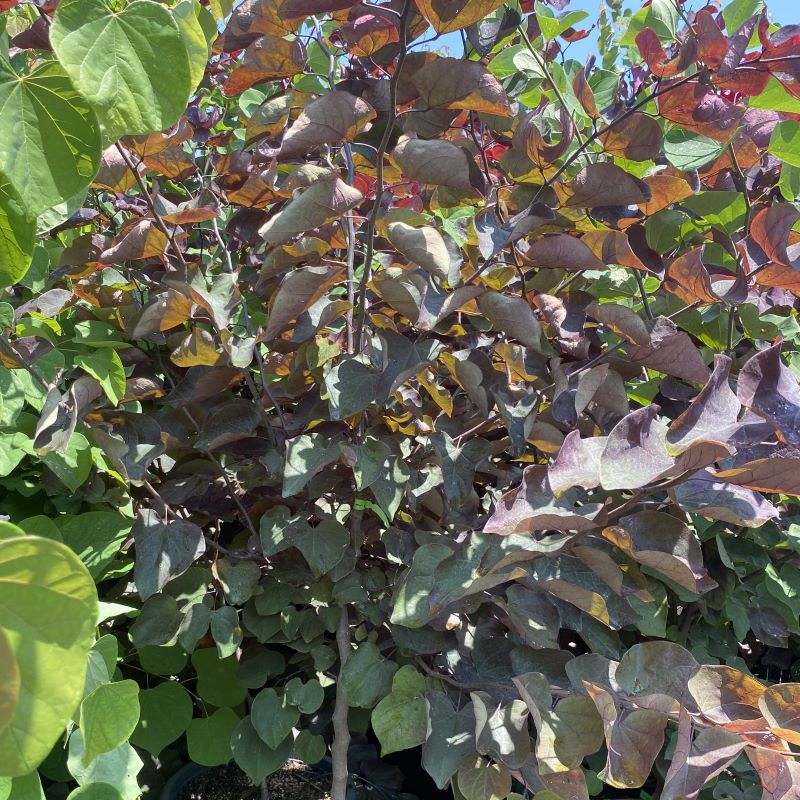
There are trees that look nice—and then there are trees that make people stop in their tracks.
The Eastern Redbud (Cercis canadensis) is firmly in the second category.
With its clouds of pink flowers appearing directly on bare branches, followed by heart-shaped leaves that glow in soft light, this is a tree that brings both emotion and elegance into a garden.
🌼 Quick Facts
Botanical name: Cercis canadensis
Common name: Eastern redbud
Plant type: Deciduous ornamental tree
Native to: Eastern North America
USDA zones: 4–9
Height: 20–30 ft
Width: 20–35 ft
Light: Full sun → part shade
Water: Moderate (low once established)
Bloom time: Early spring (before leaves emerge)
Wildlife: Pollinators, birds
🌿 What Makes Redbud So Special
1. Flowers on Bare Wood (Pure Magic) 🌸
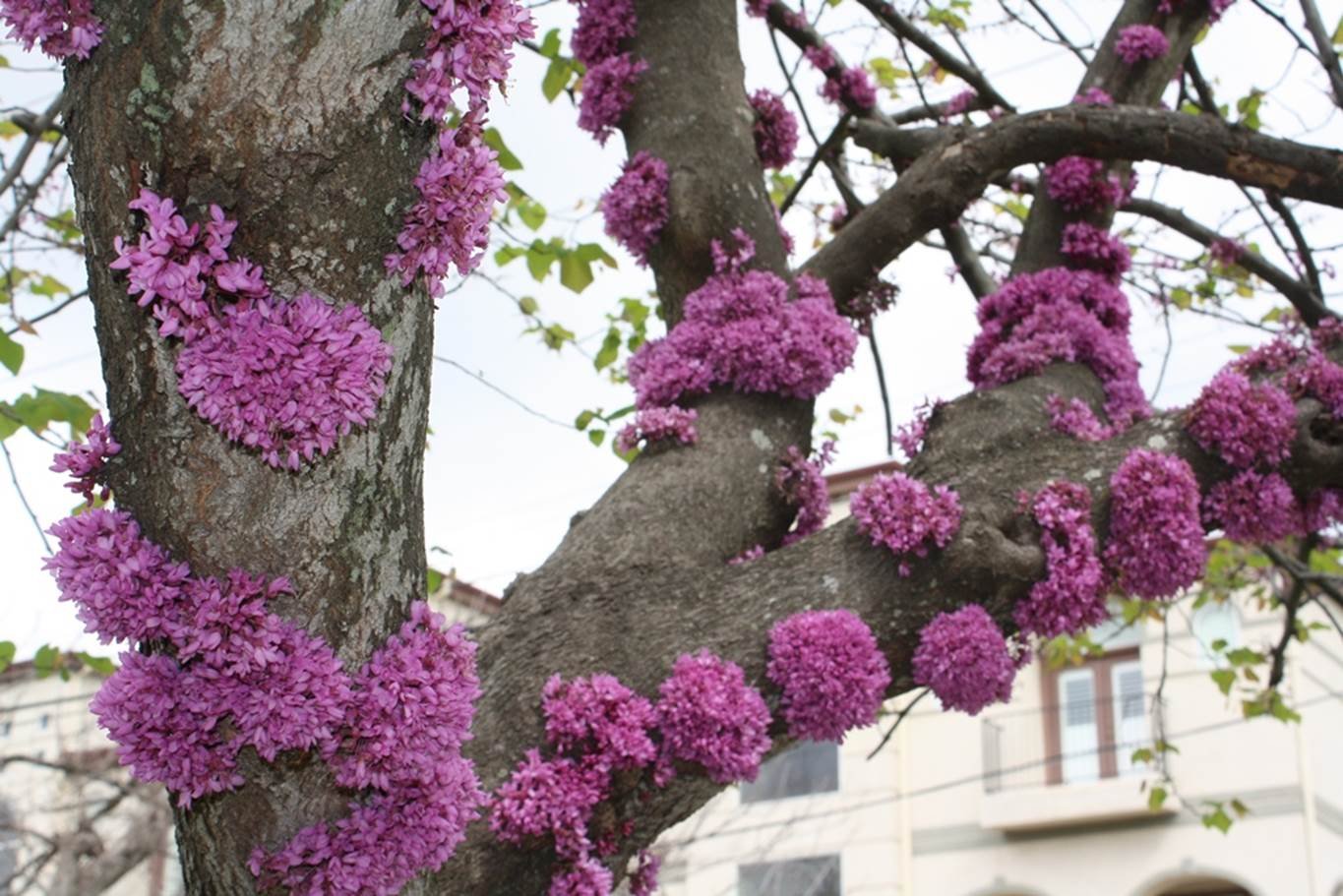

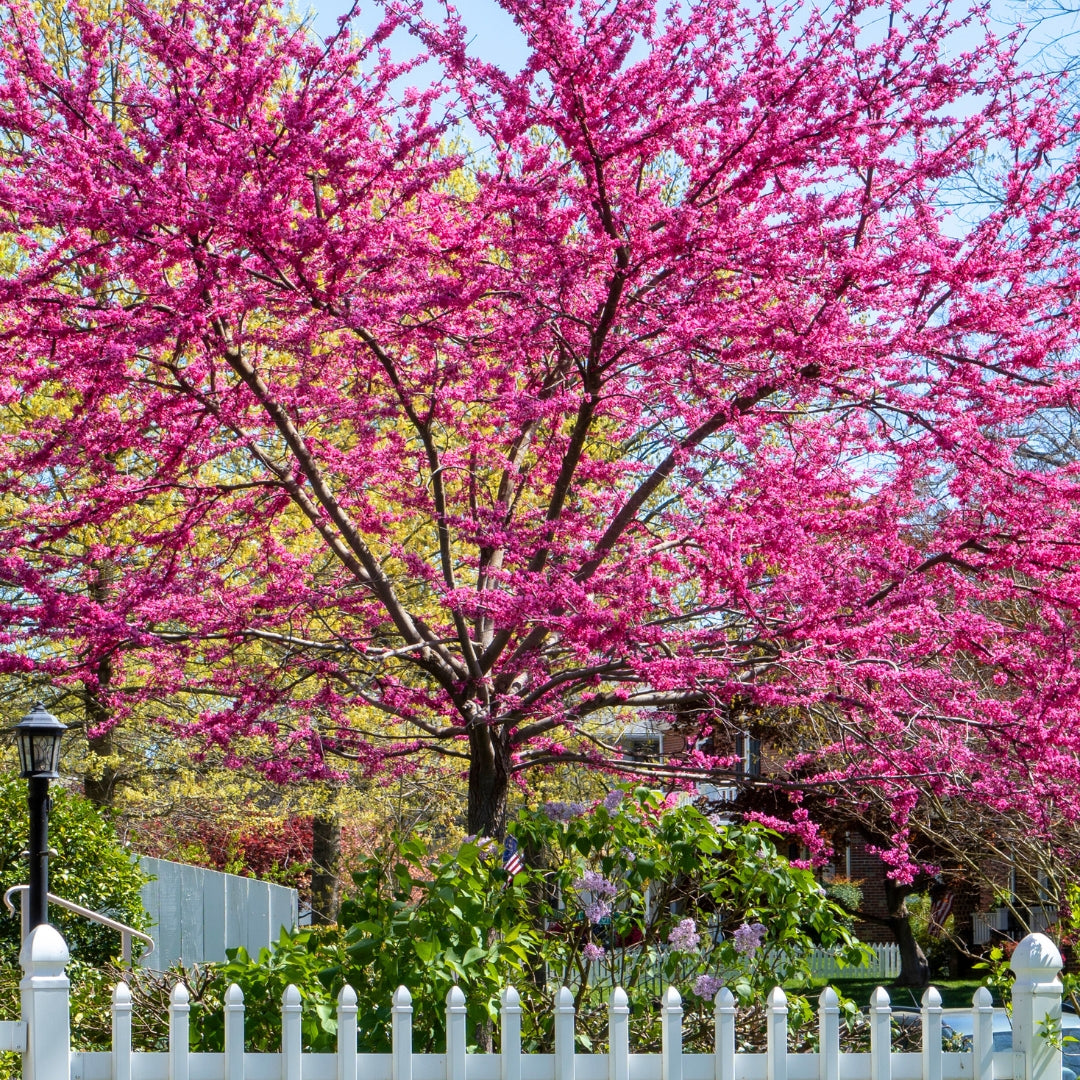
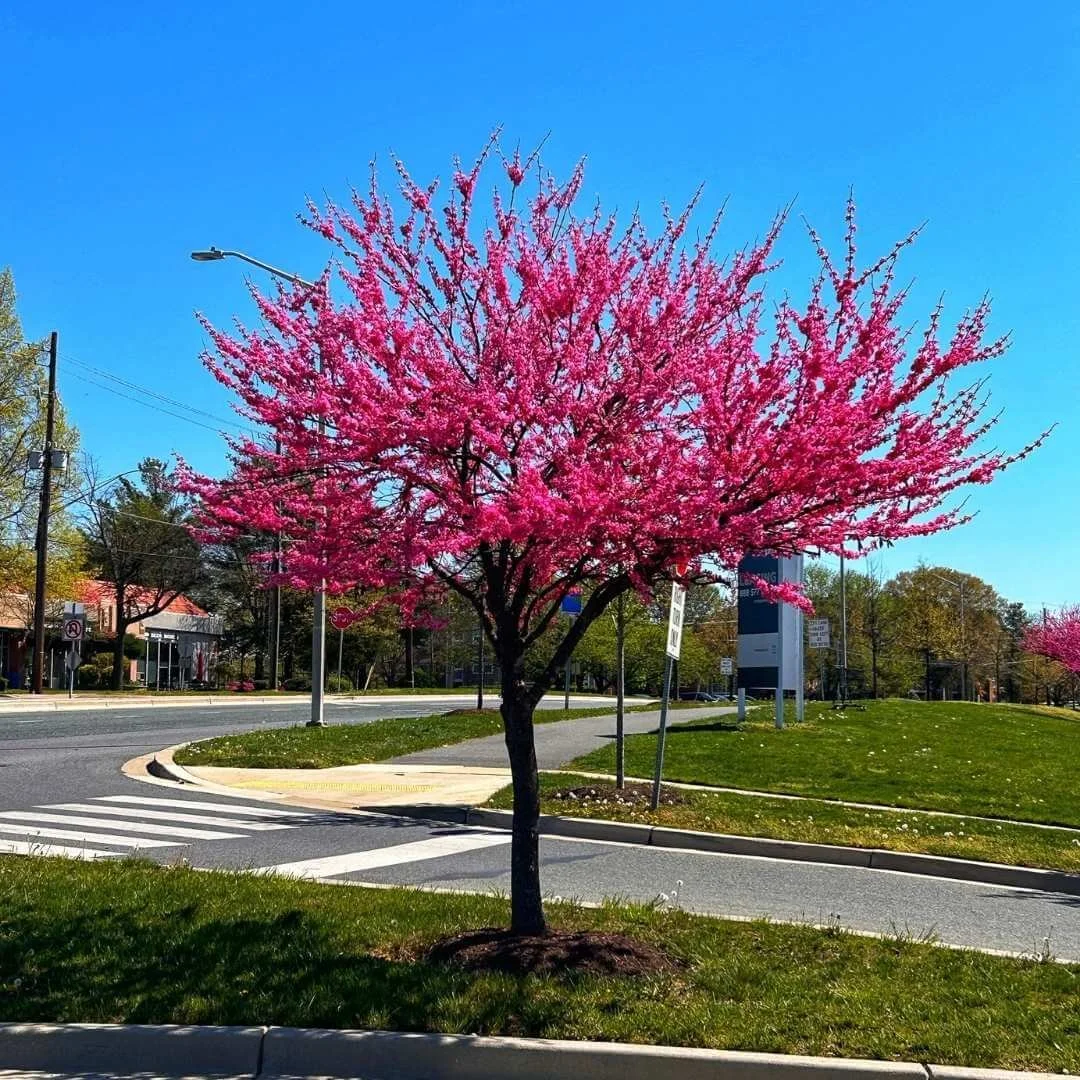
Redbuds bloom in a way that feels almost surreal:
Flowers emerge directly from branches and even the trunk
This phenomenon is called cauliflory
👉 The effect:
A glowing pink silhouette before any leaves appear
One of the earliest and most joyful signs of spring
2. Beautiful Foliage All Season 💚
After flowering:
Leaves emerge as soft, delicate green
Mature into heart-shaped foliage
Some varieties offer:
Deep purple leaves (‘Forest Pansy’)
Golden tones (‘The Rising Sun’)
👉 Even after bloom, the tree stays visually interesting.
3. Perfect Scale for Modern Gardens 🌿
Not too big
Not too small
👉 Ideal for:
Front yards
Courtyards
Near patios or seating areas
🌱 Growing Conditions
☀️ Light
Best:
Full sun → best flowering
Tolerates:
Part shade
👉 In warmer climates: light afternoon shade is beneficial
💧 Water
First few years: Regular watering
Mature trees: Moderate to low water
👉 More drought-tolerant than people expect once established.
🌱 Soil
Prefers:
Well-draining soil
Tolerates:
Clay (if not waterlogged)
💡 Avoid consistently soggy soil.
🌸 Seasonal Interest
🌱 Spring
Stunning pink bloom (main event)
🌿 Summer
Soft, cooling canopy
Gentle shade
🍁 Fall
Leaves turn:
Yellow
Golden
❄️ Winter
Elegant branching structure
👉 A true four-season tree, even without flowers.
✂️ Care & Maintenance
Pruning
Minimal pruning needed
Best time: after flowering
You can:
Shape lightly
Remove crossing branches
Fertilizing
Not usually necessary
Compost in spring is sufficient
Growth Habit
Naturally graceful, slightly spreading
Can be:
Multi-trunk
Single trunk (trained)
🌿 Popular Varieties
‘Forest Pansy’ → deep purple foliage
‘The Rising Sun’ → golden/orange leaves
‘Ace of Hearts’ → compact form
‘Oklahoma’ → heat-tolerant
👉 Choose based on:
Size
Foliage color
Climate tolerance
🌿 Landscape Uses
🌳 Focal Tree
Best used where it can be admired up close
🌿 Patio or Seating Tree
Creates:
Soft shade
Seasonal beauty
🌸 Layered Garden Design
Works beautifully with:
Understory plants
Groundcovers
⚠️ Things to Watch For
| Issue | Cause | Fix |
|---|---|---|
| Sparse flowering | Too much shade | Increase sun |
| Leaf scorch | Heat stress | Provide afternoon shade |
| Short lifespan stress | Poor drainage | Improve soil |
🌿 How Fast Does It Grow?
Moderate growth rate
Reaches mature size in:
5–10 years
💡 Fast enough to enjoy, slow enough to manage.
🌟 Key Takeaways
One of the most beautiful spring-flowering trees
Unique flowers on bare branches and trunk
Ideal size for residential gardens
Offers multi-season interest
Easy to grow with basic care
🌿 Final Thoughts
The Eastern Redbud isn’t just a tree—it’s a moment.
A moment in early spring when everything feels new again.
A moment when your garden shifts from quiet to alive.
If you’re looking to add:
Emotion
Seasonal drama
A sense of renewal
This is a tree that delivers it—year after year.
Comments
Post a Comment