Clivia
🧡 Clivia (Clivia miniata): The Shade Garden’s Quiet Showstopper
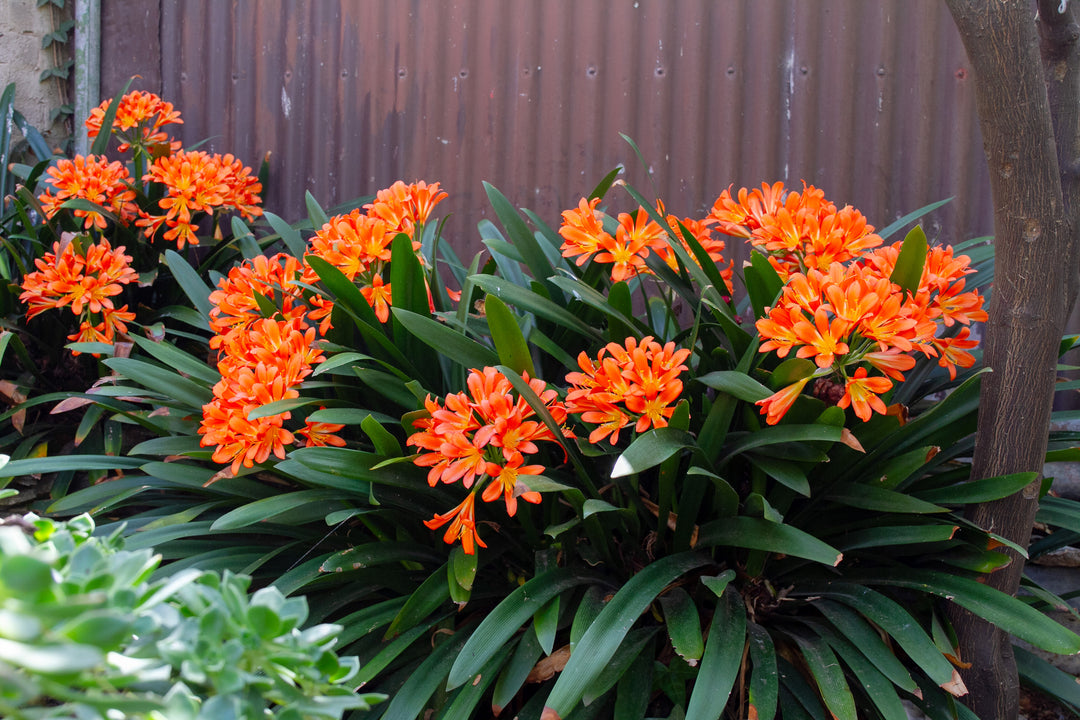
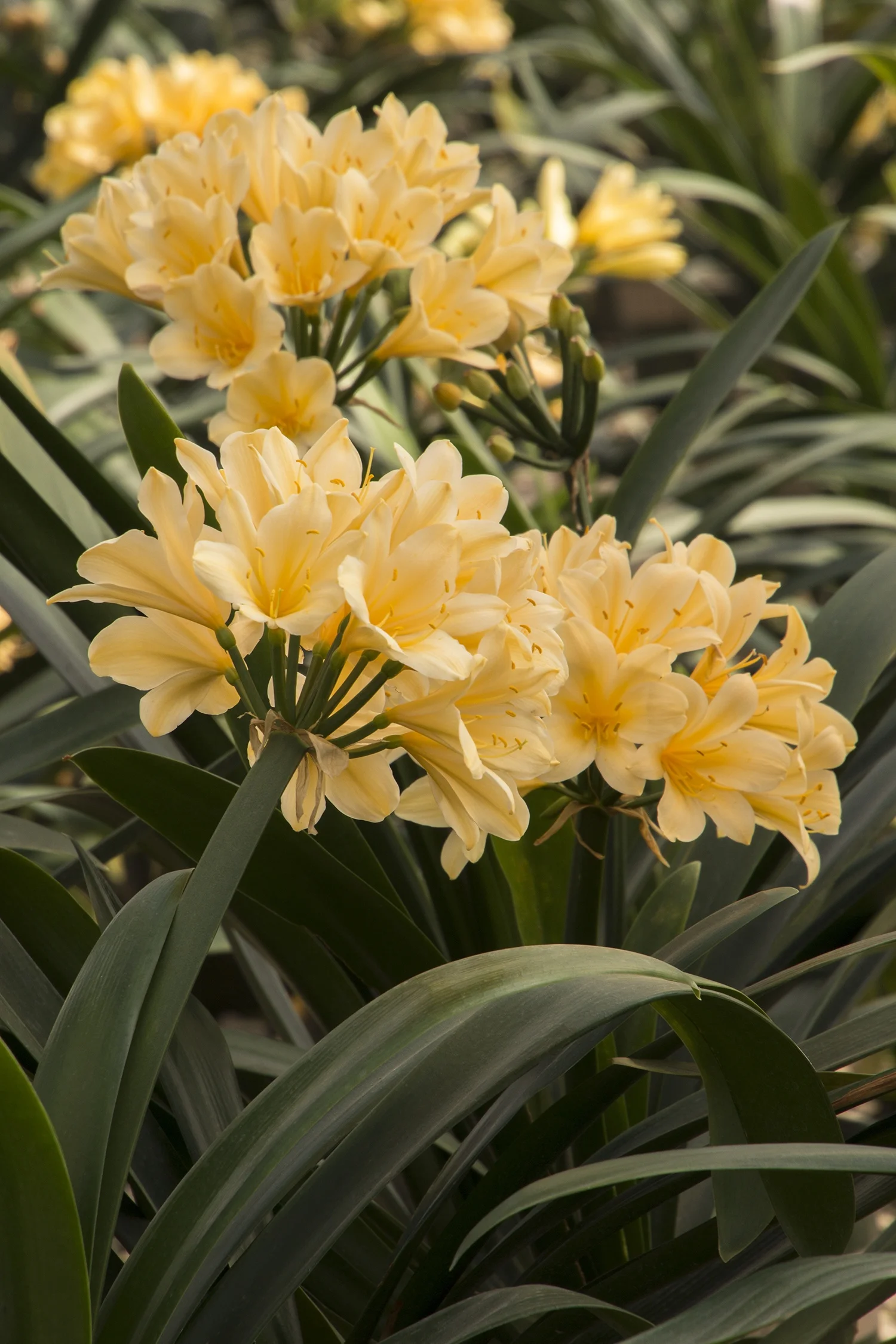

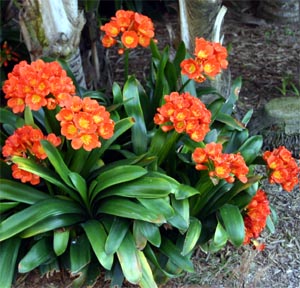
If there’s a plant that thrives in deep shade, asks for very little, and still delivers a striking bloom, it’s Clivia.
Often overlooked in favor of flashier flowers, Clivia miniata offers something different: reliability, structure, and a bold burst of color right when shaded spaces need it most.
🌼 Quick Facts
Botanical name: Clivia miniata
Common name: Clivia, bush lily
Plant type: Evergreen perennial
Native to: South Africa
USDA zones: 9–11
Height: 1–2 ft
Width: 2–3 ft clumps
Light: Part shade → full shade
Water: Low to moderate
Bloom time: Late winter → spring
Wildlife: Pollinators
🌿 Why Clivia Is So Valuable
1. Thrives in Deep Shade 🌳
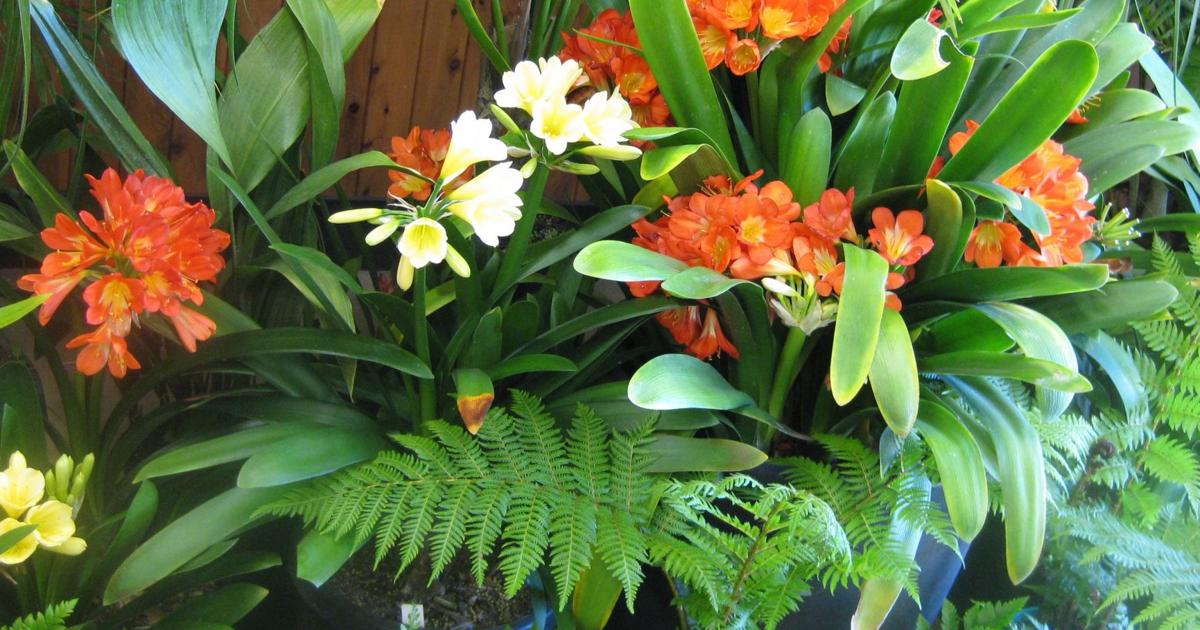

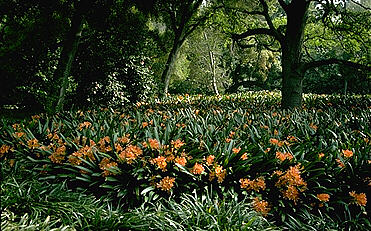

Clivia is one of the few plants that:
Performs well in low light
Still produces reliable blooms
👉 Ideal for:
Under trees
North-facing walls
Covered patios
2. Bold, Clean Foliage 🌿
Long, strap-like leaves
Deep green, glossy texture
Forms neat, dense clumps
👉 Even without flowers, it provides strong structure and presence.
3. Bright, Uplifting Blooms 🧡
Clusters of trumpet-shaped flowers
Colors:
Orange (classic)
Yellow
Peach
👉 Blooms rise above foliage on sturdy stems, creating a clean, sculptural look.
🌱 Growing Conditions
☀️ Light
Best:
Part shade to full shade
Avoid:
Direct, harsh sun
👉 Too much sun can scorch leaves.
💧 Water
Growing season:
Moderate watering
Winter:
Reduce watering
💡 Slight dryness in winter can encourage better flowering.
🌱 Soil
Prefers:
Well-draining soil
Works well in:
Containers
Raised beds
👉 Does not like soggy roots.
✂️ Care & Maintenance
Minimal Maintenance Plant ✔️
Remove old leaves as needed
Deadhead after flowering
Fertilizing
Light feeding in spring
Not heavy feeders
Division
Divide every few years if crowded
Clumps get better with age
🌿 Growth Habit
Slow to moderate growth
Forms dense, long-lived clumps
Can stay in place for many years
💡 Often looks better the longer it’s left undisturbed.
🌿 Landscape Uses
🌿 Deep Shade Planting
One of the best choices for:
Dark corners
Understory planting
🌸 Containers
Thrives in pots
Perfect for:
Patios
Entryways
🌿 Mass Planting
Creates a lush, uniform ground layer
🌿 Fresh Pairing Ideas
To complement Clivia’s bold foliage and seasonal blooms:
🌿 For texture contrast
Aspidistra elatior (cast iron plant) → tough, upright foliage
Ophiopogon japonicus (mondo grass) → fine, low texture
🌸 For seasonal layering
Camellia sasanqua → winter blooms
Helleborus → late winter flowers
🌿 For foliage interplay
Fatsia japonica → large, glossy leaves
Aucuba japonica → variegated brightness
🌼 For subtle color accents
Impatiens (shade types) → seasonal color
Begonia (fibrous or rex) → foliage + blooms
👉 These combinations create a rich, layered shade garden with year-round interest.
⚠️ Things to Know
Toxic if ingested (keep away from pets/children)
Slow to establish but long-lived
May bloom less if moved frequently
🌿 How Fast Does It Grow?
Slow-growing
Establishes in:
2–3 years
💡 Patience pays off—older clumps bloom more reliably.
🌟 Key Takeaways
One of the best plants for deep shade
Provides bold foliage + late winter blooms
Extremely low maintenance and long-lived
Ideal for:
Under trees
Containers
Shaded borders
🌿 Final Thoughts
Clivia is a plant that doesn’t try too hard—and doesn’t need to.
It brings:
Structure
Calm
A quiet burst of color
into spaces where most plants struggle.
If your garden has areas that feel:
Too dark
Too empty
Too difficult
Clivia is often the solution—and one that only gets better with time.
Comments
Post a Comment