Ceanothus (California Lilac)
💙 Ceanothus (California Lilac): The Ultimate Native for Color & Drought Tolerance
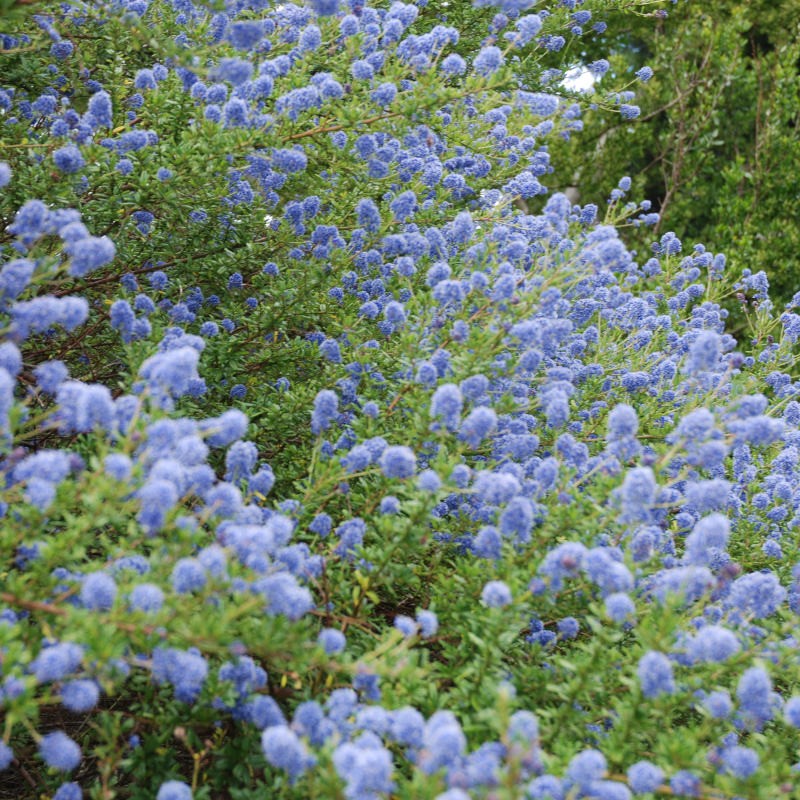


If there’s one plant that instantly says “California garden,” it’s Ceanothus—commonly called California lilac.
With its electric blue flowers, glossy evergreen foliage, and extreme drought tolerance, Ceanothus is one of the most rewarding shrubs you can grow—when you understand what it wants.
🌼 Quick Facts
Botanical name: Ceanothus spp.
Common name: California lilac
Plant type: Evergreen or deciduous shrub (varies by species)
Native to: California & western North America
USDA zones: 7–10 (most thrive in 8–10)
Height: 1–20 ft (depends on variety)
Width: 3–20 ft
Light: Full sun → light shade
Water: Very low once established
Bloom time: Late winter to spring
Wildlife: Excellent for pollinators
🌿 Why Ceanothus is So Loved
1. Unmatched Blue Flowers 💙


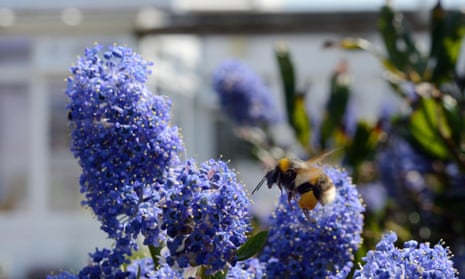
Few plants deliver color like Ceanothus:
Shades range from:
Deep cobalt
Sky blue
Soft lavender
Blooms appear in dense clusters
👉 When in bloom, it can look like a blue cloud hovering over your garden.
2. Extremely Drought-Tolerant ☀️
Once established:
Needs little to no summer water
Thrives in dry conditions
Ideal for:
Water-wise gardens
Slopes and tough sites
👉 A cornerstone plant for low-water California landscapes.
3. Fast Growth & Big Impact 🌿
Many varieties grow quickly
Fill space fast
Provide:
Privacy
Structure
Erosion control
💡 Great if you want a garden to feel “full” quickly.
🌱 Types of Ceanothus (Choosing the Right One Matters)
🌿 Large Shrubs / Screening Types
‘Ray Hartman’ (very popular)
‘Skylark’
👉 Best for:Privacy hedges
Backdrop planting
🌿 Medium Shrubs
‘Concha’ (deep blue, compact)
‘Julia Phelps’
👉 Best for:Mixed borders
Feature shrubs
🌿 Low & Groundcover Types
‘Yankee Point’
‘Carmel Creeper’
👉 Best for:Slopes
Edging
Spilling over walls
🌱 Growing Conditions (Critical for Success)
☀️ Light
Best: Full sun
Tolerates:
Light shade
👉 More sun = better flowering + stronger structure.
💧 Water (This is KEY ⚠️)
First year: Regular watering
After establishment:
👉 Almost no summer water
🚫 The biggest mistake:
Overwatering in summer → root rot → sudden death
💡 Think: dry summers, wet winters = happy Ceanothus
🌱 Soil
Needs:
Excellent drainage
Prefers:
Lean, native soils
🚫 Avoid:
Heavy, constantly wet soil
✂️ Care & Maintenance
Pruning
Light pruning only
Best time: after flowering
⚠️ Avoid:
Hard pruning into old wood
Fertilizing
Not needed
Too much fertilizer:
Reduces flowering
Weakens plant
Lifespan
Typically:
10–20 years
Some varieties shorter-lived
👉 Fast-growing but not forever plants.
🌿 Landscape Uses
🌳 Hedges & Screens
Dense and fast-growing
Excellent privacy plant
🌿 Slopes & Erosion Control
Strong root systems
Stabilizes soil
🌸 Focal Point Shrub
Stunning when in bloom
Works as a seasonal highlight
🌿 Plant Pairing Ideas
To build a layered, California-native palette:
Toyon → structure + winter berries
Garrya elliptica → evergreen + winter tassels
Salvia spathacea → fragrant groundcover
Iris douglasiana → spring color
Native Heuchera → soft understory texture
👉 Together, these create a year-round, drought-tolerant, pollinator-friendly garden.
⚠️ Common Problems (and how to avoid them)
| Problem | Cause | Solution |
|---|---|---|
| Sudden dieback | Overwatering | Reduce irrigation |
| Yellowing leaves | Poor drainage | Improve soil |
| Few flowers | Too much shade | Increase sun |
| Leggy growth | Overfertilizing | Stop feeding |
🌿 How Fast Does It Grow?
Fast-growing in the right conditions
Can reach mature size in:
3–5 years
💡 One of the quickest ways to establish a full garden.
🌟 Key Takeaways
Iconic California native with stunning blue blooms
Extremely drought-tolerant once established
Fast-growing and impactful
Requires excellent drainage + minimal summer water
Perfect for hedges, slopes, and naturalistic plantings
🌿 Final Thoughts
Ceanothus is a plant of contrasts:
Wild yet refined
Tough yet breathtaking
Low-maintenance yet high-impact
But it rewards gardeners who understand one simple rule:
👉 The less you water it (after establishment), the better it performs.
If you’re building a garden that feels:
Authentic to California
Resilient in dry summers
Alive with seasonal color
Ceanothus is not just a good choice—it’s an essential one.
Comments
Post a Comment