🌸 Calycanthus (Sweetshrub): The Fragrant Showstopper for Garden Borders

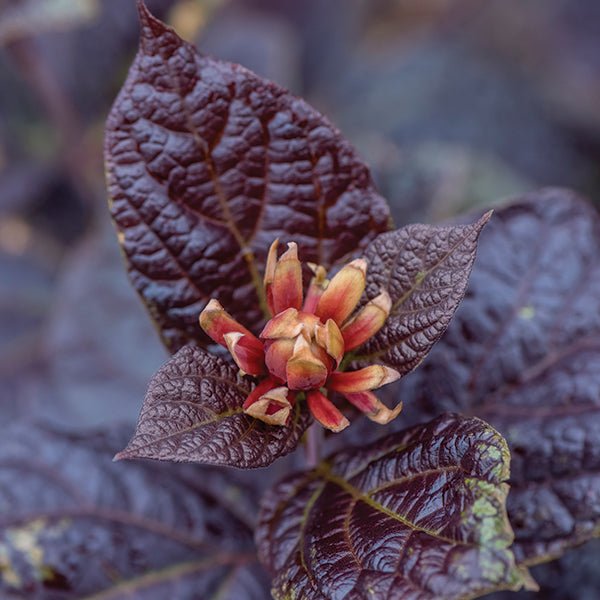
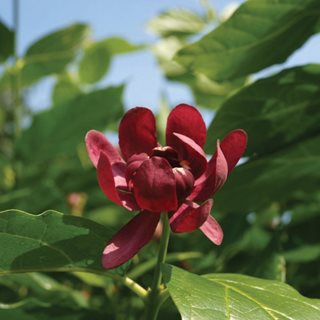
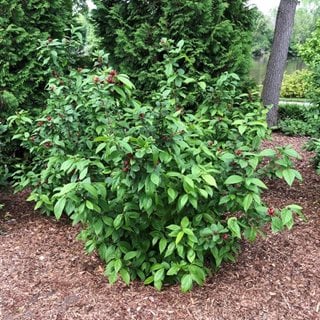
If there’s one shrub that quietly surprises people—and then completely wins them over—it’s Calycanthus, commonly known as sweetshrub or spicebush.
With its unusual flowers, rich fragrance, and adaptability to shade, Calycanthus brings a kind of old-world charm that fits beautifully into modern, naturalistic gardens—especially those leaning toward a softer, layered look.
🌿 What is Calycanthus?
Calycanthus is a small genus of deciduous shrubs prized for:
Deeply fragrant flowers
Lush, rounded form
Excellent shade tolerance
🌱 Main Species You’ll See
Calycanthus occidentalis
👉 California native (western sweetshrub)Calycanthus floridus
👉 Native to the southeastern U.S.Hybrids (like ‘Hartlage Wine’)
👉 Larger flowers, ornamental appeal
🌼 Quick Facts
USDA Zones: 6–10 (native CA species thrives in 8–10)
Height: 6–10 ft
Width: 6–10 ft
Light: Part shade → full sun (best in partial shade inland)
Water: Moderate (low once established for CA native)
Bloom time: Late spring to early summer
Growth rate: Moderate
🌸 The Flowers: Unique & Fragrant
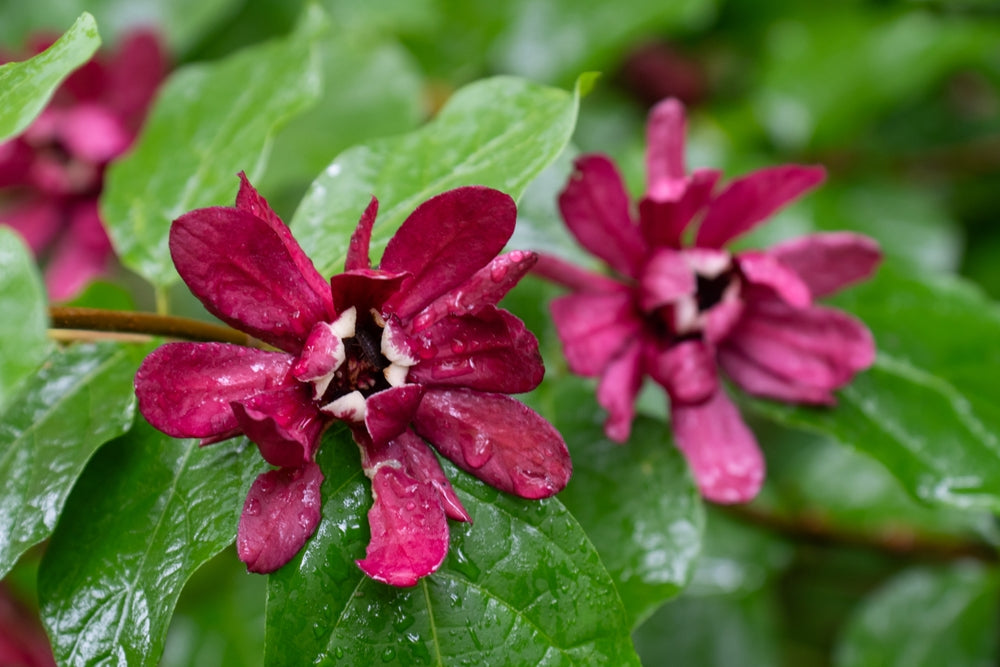
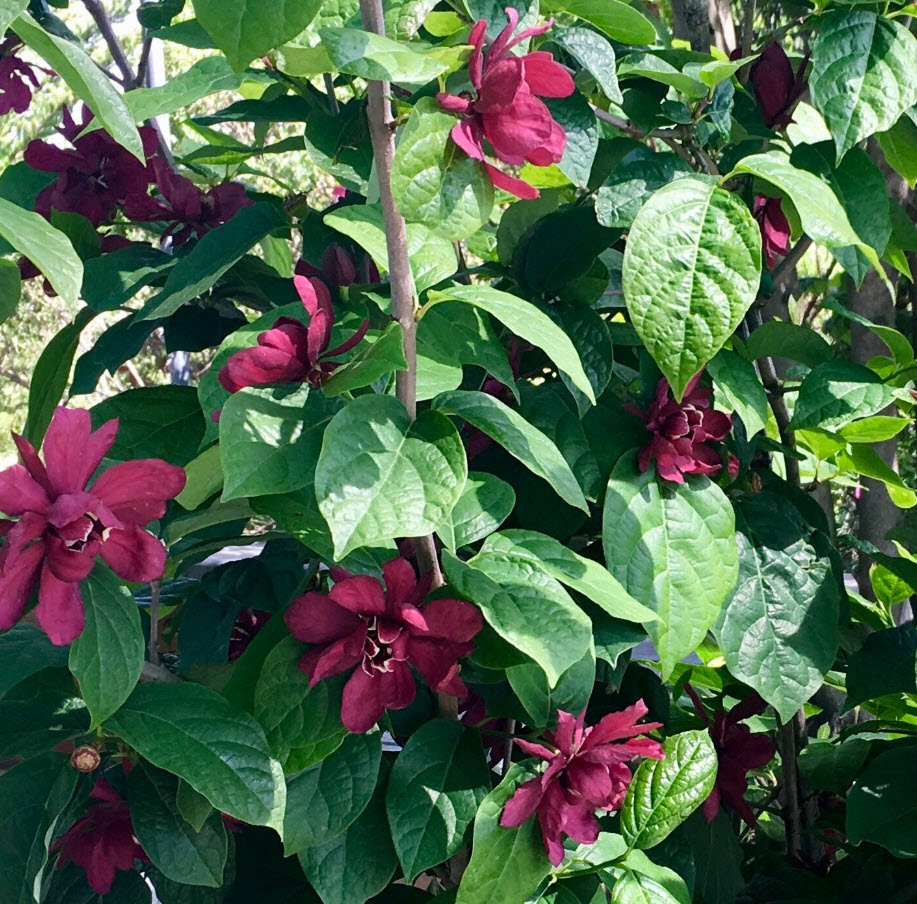
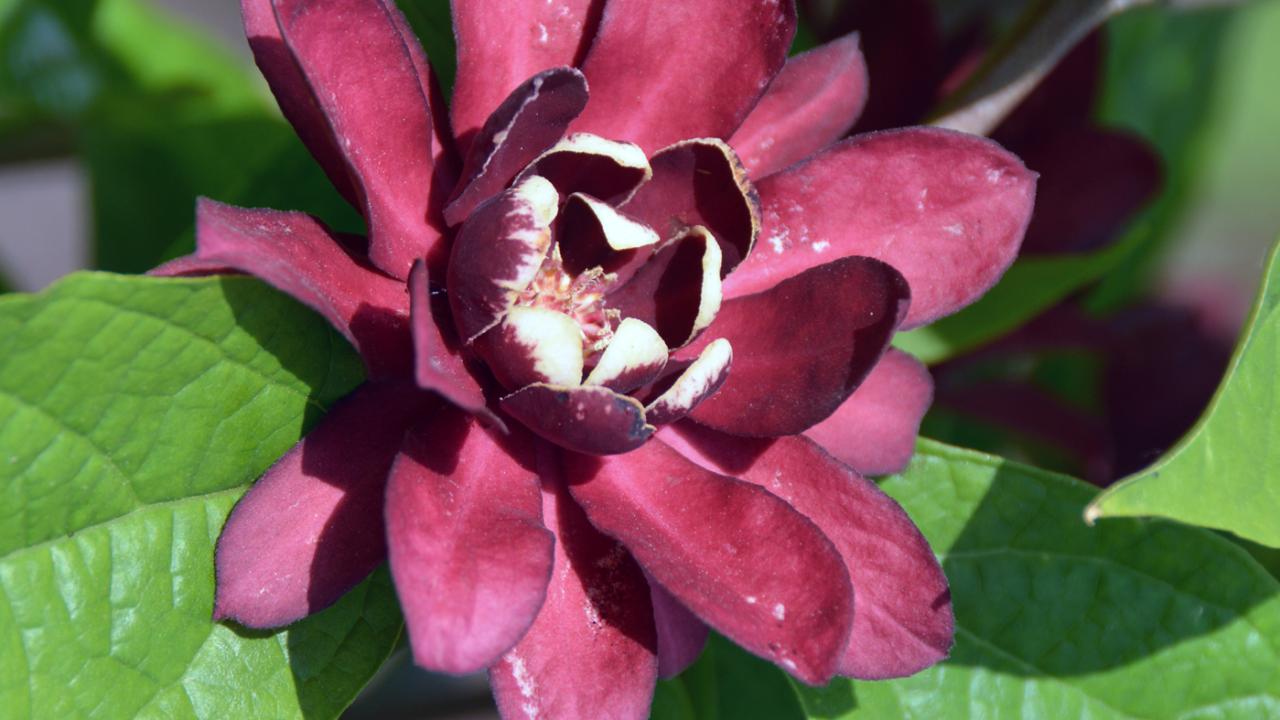
Calycanthus flowers are unlike typical garden blooms:
Petals are strap-like and layered, almost sculptural
Colors range from:
Deep burgundy
Wine red
Brick red
🌿 Fragrance
Often described as:
Fruity 🍎
Spicy 🍷
Sometimes like strawberries or wine
💡 Not all plants smell equally strong—fragrance varies by plant and conditions.
🌱 Why Gardeners Love Calycanthus
1. Thrives in Part Shade 🌳
This shrub performs beautifully in:
Dappled light
Woodland edges
Under taller trees
👉 Perfect when you need structure in less sunny areas.
2. Lush, Full Growth Habit 🌿
Naturally forms a rounded, dense shrub
Works as:
Informal hedge
Background plant
Anchor in mixed borders
3. Native Option for California Gardens 🌎
Calycanthus occidentalis:
Native to California streambanks
More drought-tolerant once established
Supports local ecosystems
👉 A great choice if you're aiming for a California-native or climate-adapted garden.
🌱 Growing Conditions
☀️ Light
Best: Part shade
Tolerates:
Full sun (with more water)
Bright shade
👉 Inland areas benefit from afternoon protection.
💧 Water
Establishment: Regular watering
Mature plants:
CA native → low to moderate water
Others → moderate water
💡 Looks best with occasional deep watering, especially in summer.
🌱 Soil
Prefers:
Rich, well-draining soil
Tolerates:
Clay (if not waterlogged)
👉 Adding compost improves vigor significantly.
✂️ Care & Maintenance
Pruning
Minimal pruning needed
Best time: after flowering
You can:
Shape lightly
Remove older stems to rejuvenate
Fertilizing
Not demanding
Compost or slow-release fertilizer in spring is enough
Growth Management
Can sucker slightly (especially native species)
Easy to control or let naturalize
🌿 Landscape Uses
Calycanthus is incredibly versatile:
🌳 Woodland Gardens
Blends seamlessly with:
Ferns
Native grasses
Shade perennials
🌸 Mixed Borders
Acts as a mid-to-back layer shrub with strong presence
🌿 Informal Screens
Dense growth makes it great for:
Privacy
Soft hedging
🌿 Plant Pairing Ideas
To create a layered, cohesive planting:
Heuchera (native coral bells) → low mounding contrast
Salvia spathacea → fragrant groundcover
Iris douglasiana → seasonal blooms
Garrya elliptica → evergreen structure
👉 Together, these create a textured, California-inspired understory planting.
⚠️ Things to Know
Flowers are subtle from a distance—plant near pathways for impact
Fragrance varies (some plants stronger than others)
Deciduous: will lose leaves in winter
🌟 Final Thoughts
Calycanthus is not a flashy, high-drama plant—and that’s exactly why it works so well.
It brings:
Quiet structure
Unexpected fragrance
A natural, grounded feel
If you’re designing a garden that feels relaxed, layered, and timeless, this is a shrub that earns its place.
Comments
Post a Comment