🌿 California Native Heuchera: Effortless Color for Shade Gardens

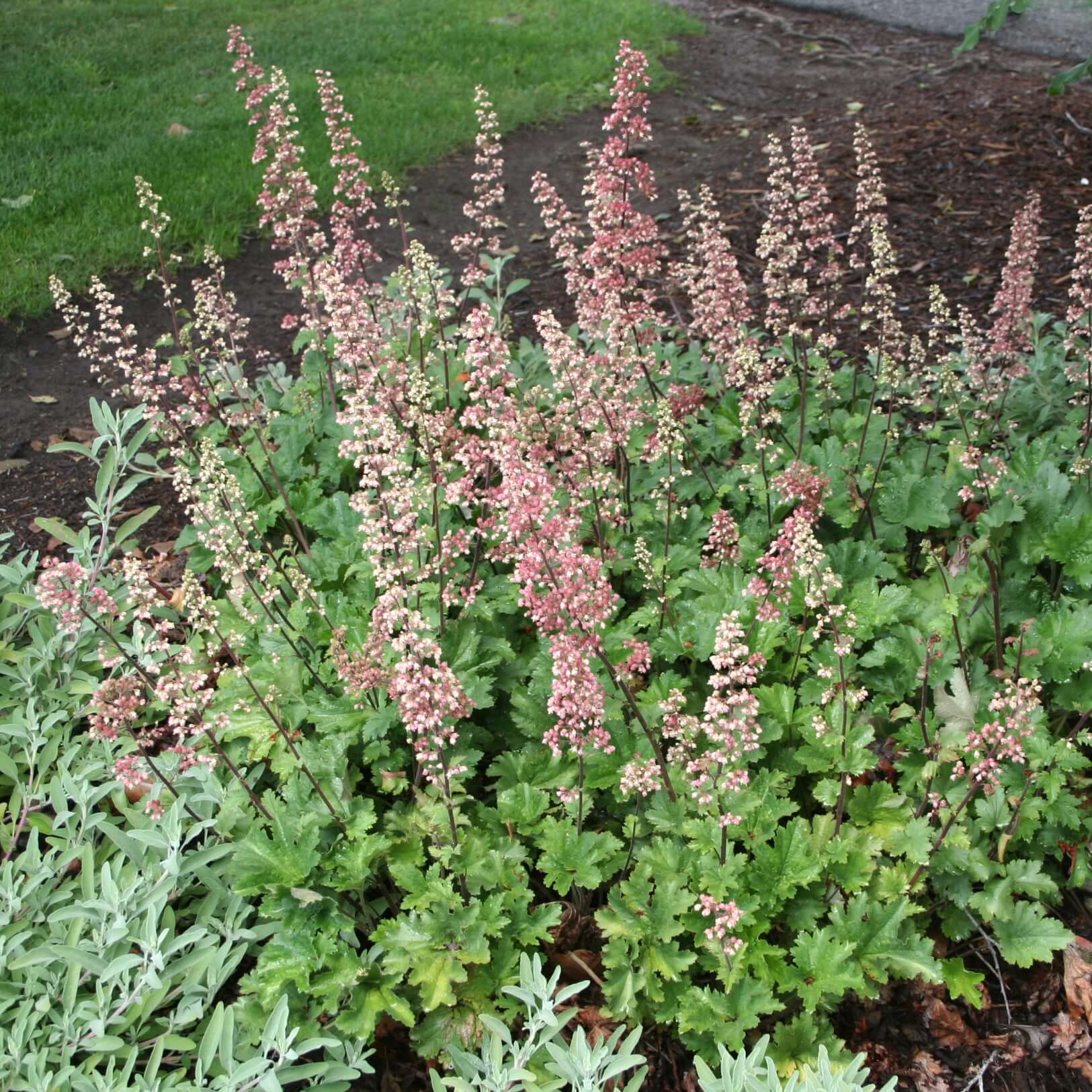

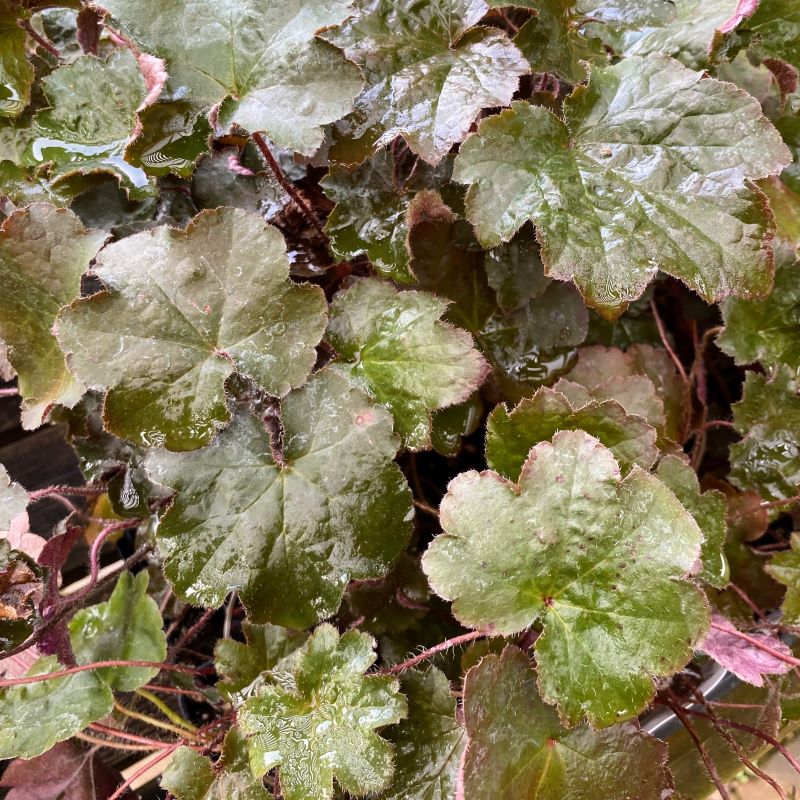
If you’re looking for a plant that brings year-round foliage, delicate flowers, and true California resilience, native Heuchera (commonly called coral bells) deserves a place in your garden.
Unlike many ornamental perennials, California native Heucheras are adapted to our dry summers, mild winters, and dappled woodland light—making them an ideal choice for anyone building a low-water, sustainable landscape.
🌼 What is California Native Heuchera?
Heuchera is a genus of evergreen to semi-evergreen perennials known for:
Attractive mounding foliage
Airy flower spikes
Excellent shade tolerance
Several species are native to California, including:
🌿 Key Native Species
Heuchera maxima (Island alum root)
Heuchera micrantha (Alum root)
Heuchera pilosissima (Hairy alum root)
These species grow naturally in coastal bluffs, woodlands, and rocky slopes, which tells you a lot about what they like in a garden setting.
🌱 Quick Growing Guide
USDA Zones: 7–10
Light: Part shade to full shade
Water: Low to moderate (very low once established)
Height: 1–2 ft (flowers up to 3 ft)
Spread: 1–2 ft clumps
Bloom time: Spring to early summer
Soil: Well-draining, tolerates poor soils
👉 In Mediterranean climates like coastal and inland California, they are exceptionally reliable and forgiving.
🌿 Why Choose Native Heuchera?
1. Built for California Conditions ☀️
These plants evolved with:
Dry summers
Periodic drought
Variable shade
👉 Once established, they need far less water than hybrid Heucheras.
2. Year-Round Structure 🌿
Even when not in bloom:
Leaves form soft, rounded mounds
Provide visual continuity in shaded beds
💡 This is especially valuable in gardens where shade can feel “empty.”
3. Elegant Flower Spikes 🌸

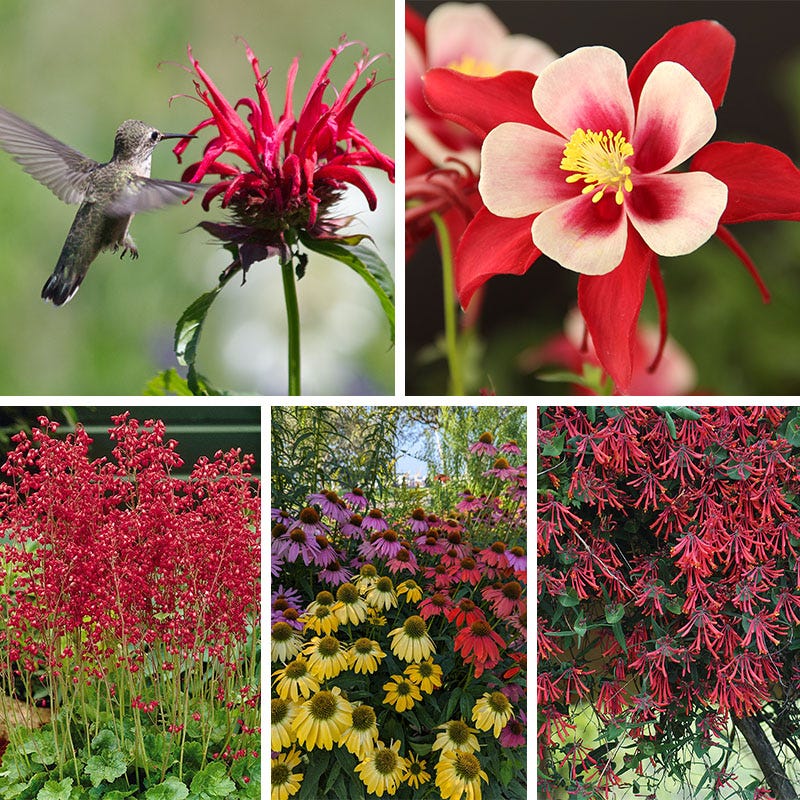

Tall, airy stems rise above foliage
Flowers range from white to soft pink
Attract:
Bees 🐝
Hummingbirds 🐦
They create a light, floating effect—perfect for softening heavier plantings.
🌿 Where Heuchera Works Best
Ideal placements:
Under trees (oak, maple, redwood)
Along shaded pathways
Woodland or naturalistic plantings
Edging for patios or paver areas
Design tip:
Use Heuchera as a “connector plant”—it visually ties together bolder plants while adding texture.
🌱 Care & Maintenance
Watering
First year: Regular watering to establish
After: Occasional deep watering
⚠️ Avoid constantly wet soil—roots prefer to dry slightly between watering.
Pruning
Remove old leaves in late winter
Cut back spent flower stalks
Fertilizing
Minimal needs
Light compost once a year is enough
Longevity
Clumps can be divided every few years
Otherwise, very low maintenance
🌿 Native vs Hybrid Heuchera
| Feature | Native Heuchera | Hybrid Heuchera |
|---|---|---|
| Water needs | Low | Moderate |
| Durability | High | Variable |
| Foliage color | Natural greens/silvers | Bright purples/oranges |
| Ecological value | High | Lower |
👉 If your goal is sustainability + ease, natives are the better choice.
⚠️ Common Issues
Root rot: Usually from overwatering
Leaf scorch: Too much hot afternoon sun
Sparse growth: Too much shade or poor drainage
👉 These are easy to fix with placement and watering adjustments.
🌿 Pairing Ideas (for a cohesive garden look)
Native Heuchera pairs beautifully with:
Salvia spathacea (for groundcover + fragrance)
Ferns (for layered texture)
Iris douglasiana (for seasonal color)
Carex species (for movement and softness)
Together, they create a lush, layered, California-native understory.
🌟 Final Thoughts
California native Heuchera is one of those plants that quietly does everything right:
Handles shade with ease
Needs minimal water
Supports pollinators
Adds structure year-round
It’s not flashy—but that’s exactly its strength.
If you’re building a garden that feels natural, calming, and resilient, Heuchera is a plant you’ll rely on again and again.
Comments
Post a Comment