🌸 Begonia
🌸 Begonia: Versatile, Lush, and Perfect for Shade and Containers
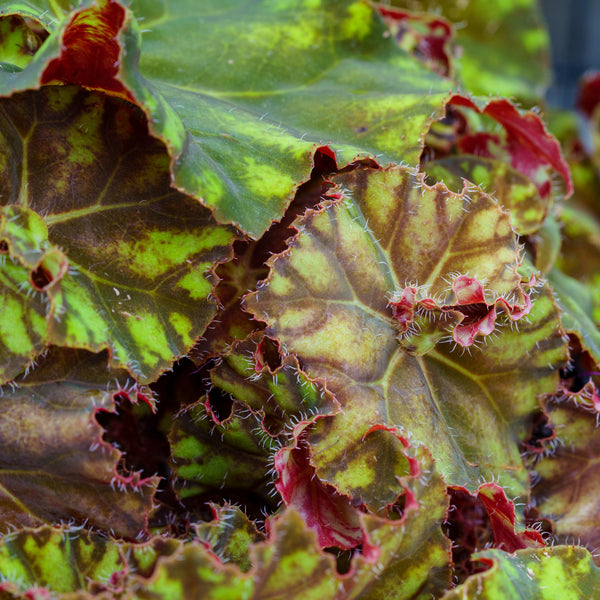


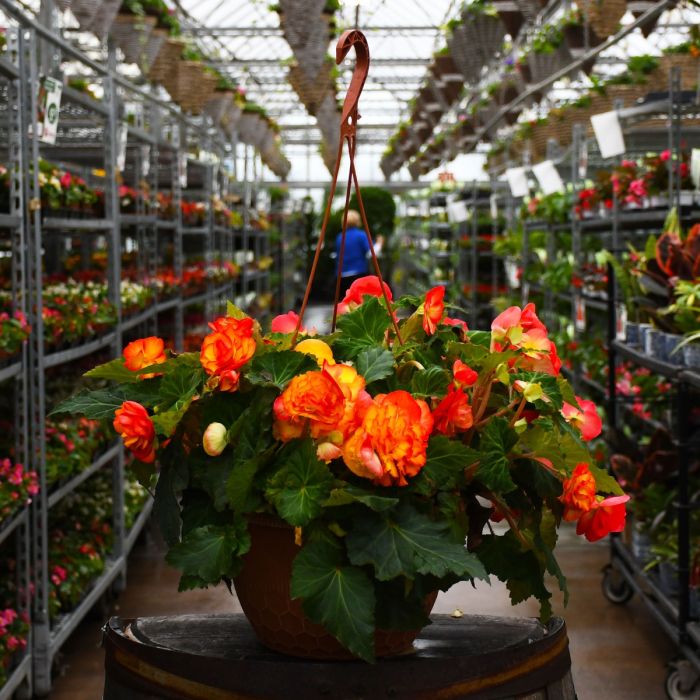
If you want a plant that can deliver both foliage drama and beautiful blooms—often in the same plant— Begonia is one of the most versatile choices you can grow.
From bold, patterned leaves to soft, continuous flowers, begonias bring a sense of lushness and richness, especially in shaded or semi-shaded spaces.
🌼 Quick Facts
Botanical name: Begonia spp.
Common name: Begonia
Plant type: Annual, perennial, or houseplant (varies widely)
Native to: Tropical and subtropical regions
USDA zones: 9–11 (annual elsewhere)
Height: 6 inches → 3 ft (varies by type)
Width: 6–24 inches
Light: Part shade → bright shade (some tolerate sun)
Water: Moderate
Bloom time: Spring → fall (many types)
🌿 Why Begonias Are So Popular
1. Both Foliage and Flowers 🌿🌸
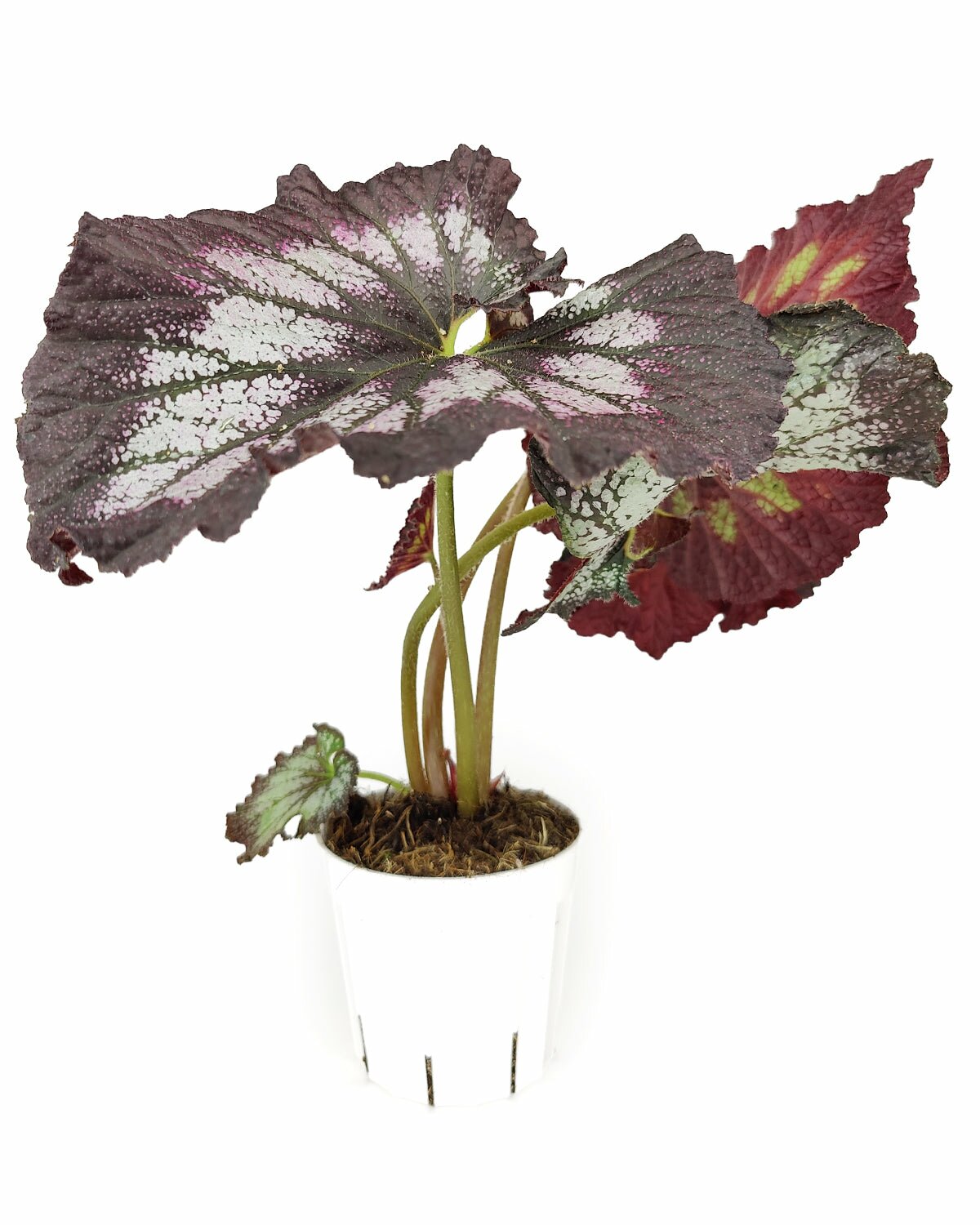
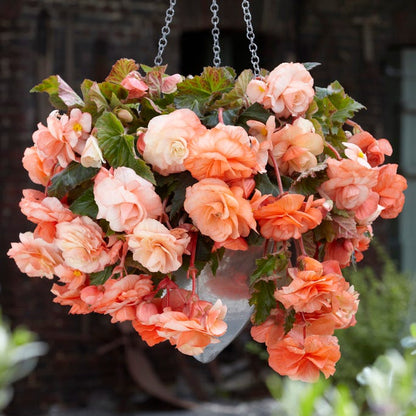
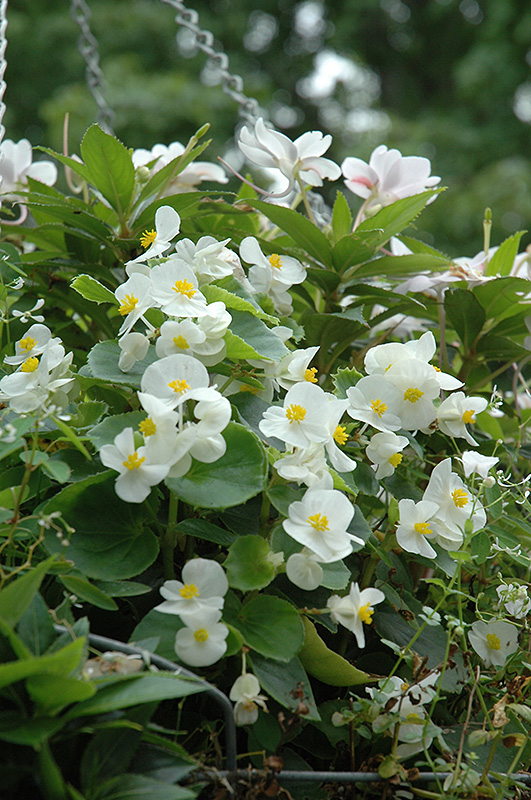

Begonias offer:
Striking foliage (especially rex types)
Continuous blooms (wax and tuberous types)
👉 Few plants provide dual interest this effectively.
2. Thrives in Shade 🌳
Performs best in:
Part shade
Bright shade
👉 Ideal for:
Under trees
Patios
Indoor-outdoor transitions
3. Wide Range of Forms ✔️
Begonias come in many types:
Upright
Trailing
Compact
Large-leaved
👉 Easy to find one for:
Containers
Borders
Hanging baskets
🌱 Main Types of Begonias
🌿 Wax Begonias (Begonia semperflorens)
Compact
Continuous blooms
Great for bedding
🌸 Tuberous Begonias
Large, showy flowers
Ideal for:
Containers
Hanging baskets
🌿 Rex Begonias
Grown for foliage
Dramatic colors and patterns
🌿 Cane Begonias (Angel Wing)
Upright
Decorative leaves
Can grow quite tall
🌱 Growing Conditions
☀️ Light
Best:
Part shade → bright shade
Some types:
Handle morning sun
👉 Avoid harsh afternoon sun.
💧 Water
Needs:
Consistent moisture
Soil should be:
Moist but well-drained
⚠️ Avoid soggy soil → root rot.
🌱 Soil
Prefers:
Rich, well-draining soil
Benefits from:
Organic matter
✂️ Care & Maintenance
Deadheading (for flowering types)
Encourages continuous blooms
Pruning
Pinch to maintain shape
Remove leggy growth
Feeding
Light, regular feeding supports growth
🌿 Growth Habit
Compact to spreading
Can be upright or trailing
Fast to moderate growth
💡 Very adaptable in design.
🌿 Landscape Uses
🌿 Shade Borders
Adds color and fullness
🌸 Containers
One of the best plants for:
Pots
Hanging baskets
🌿 Indoor/Outdoor Transition
Can be grown indoors or outdoors
🌿 Accent Plant
Especially rex types for foliage
🌿 Fresh Pairing Ideas
To complement begonia’s lush look:
🌿 For foliage contrast
Ferns (Boston, maidenhair) → soft texture
Hosta → bold leaves
🌸 For color layering
Impatiens → continuous blooms
Fuchsia → vertical interest
🌿 For structure balance
Caladium → large colorful leaves
Plectranthus → soft trailing foliage
🌼 For seasonal interest
Coleus → bold foliage color
Cyclamen → cooler season blooms
👉 These combinations create a rich, layered shade planting with color and texture depth.
⚠️ Common Problems
| Issue | Cause | Fix |
|---|---|---|
| Root rot | Overwatering | Improve drainage |
| Leggy growth | Low light | Increase brightness |
| Leaf burn | Too much sun | Move to shade |
🌿 How Fast Does It Grow?
Fast to moderate
Establishes in:
weeks to months
💡 Great for quick transformation.
🌟 Key Takeaways
One of the most versatile plants for shade and containers
Provides:
Beautiful foliage
Continuous blooms
Thrives in:
Part shade
Moist, well-drained soil
Ideal for:
Borders
Containers
Indoor-outdoor use
🌿 Final Thoughts
Begonias bring richness to a garden in a way few plants can.
They offer:
Color
Texture
Depth
without needing full sun or perfect conditions.
If your garden feels:
Too flat
Too green
Missing variety
Begonias are often the plant that adds that final layer—making everything feel fuller, softer, and more complete.
Comments
Post a Comment