Alstroemeria (Peruvian Lily)
🌸 Alstroemeria (Peruvian Lily): Long-Lasting Color with a Delicate, Exotic Look
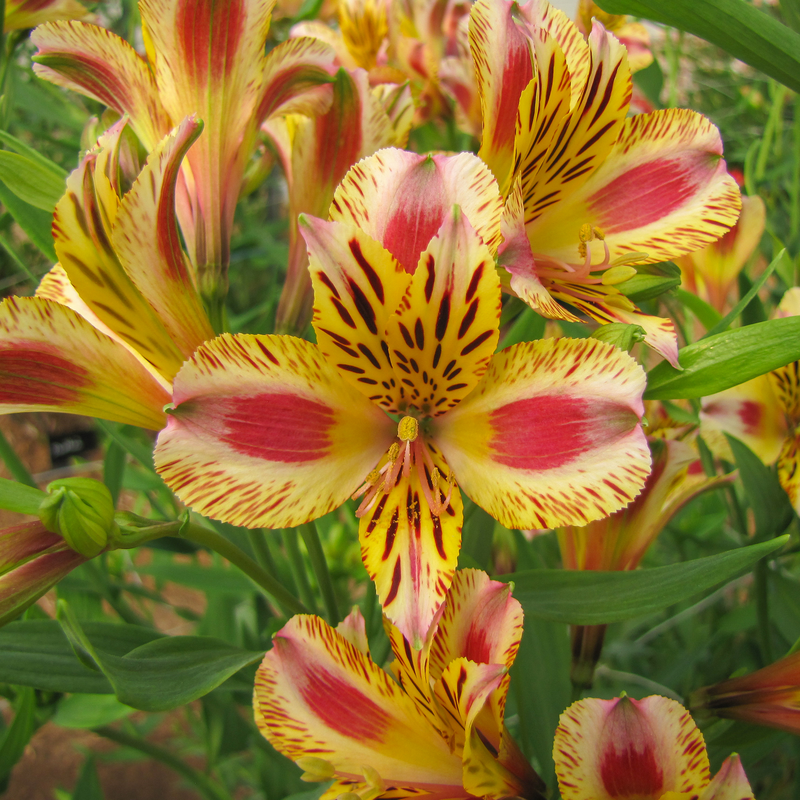
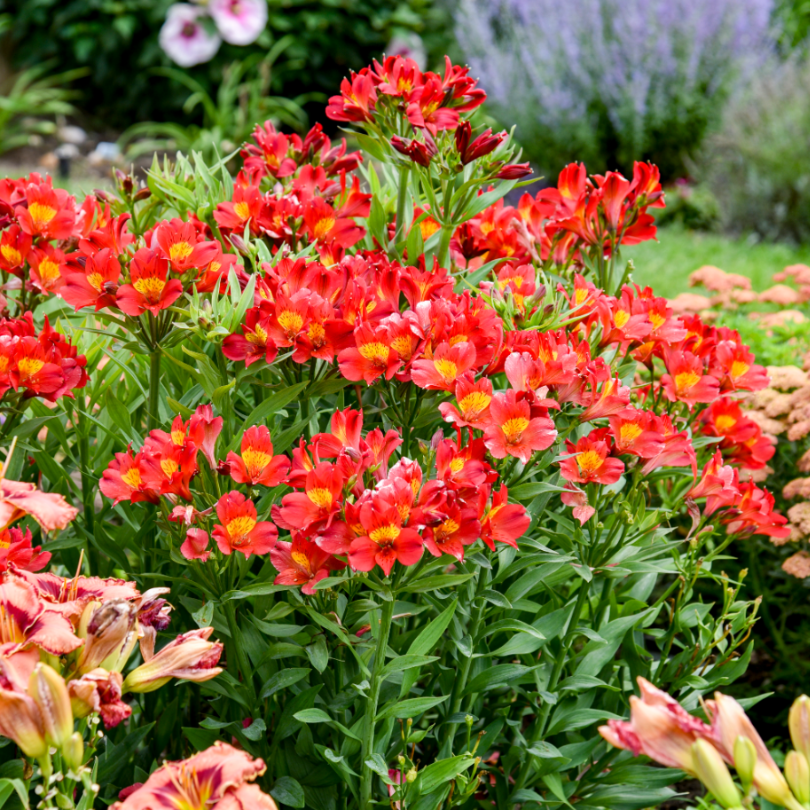
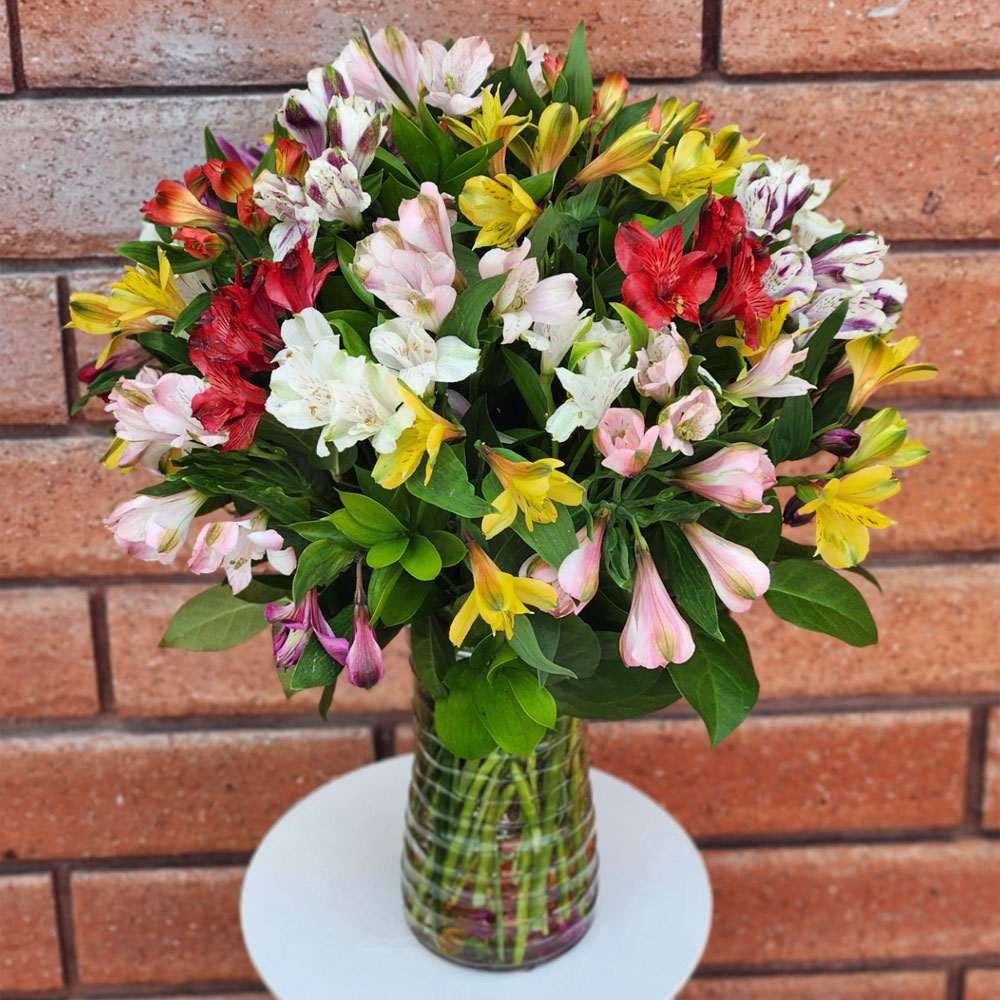
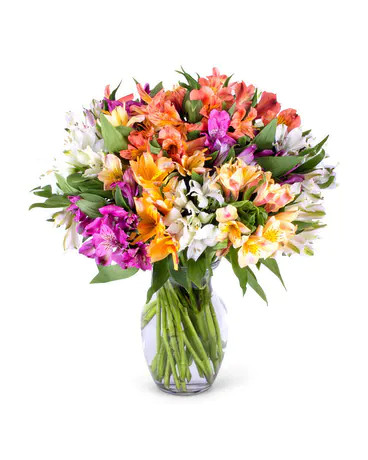
If you love flowers that look delicate and intricate but perform like workhorses, Alstroemeria—commonly called Peruvian lily—is one of the best perennials you can grow.
With its orchid-like blooms, long flowering season, and incredible vase life, this plant brings both garden beauty and cut-flower value.
🌼 Quick Facts
Botanical name: Alstroemeria spp.
Common name: Peruvian lily, lily of the Incas
Plant type: Herbaceous perennial
Native to: South America (Chile, Brazil)
USDA zones: 7–10 (varies by type)
Height: 1–3 ft (some taller)
Width: 1–2 ft clumps (spreads over time)
Light: Full sun → part shade
Water: Moderate
Bloom time: Late spring → fall
Wildlife: Pollinators
🌿 Why Alstroemeria Is So Popular
1. Intricate, Orchid-Like Flowers 🌸
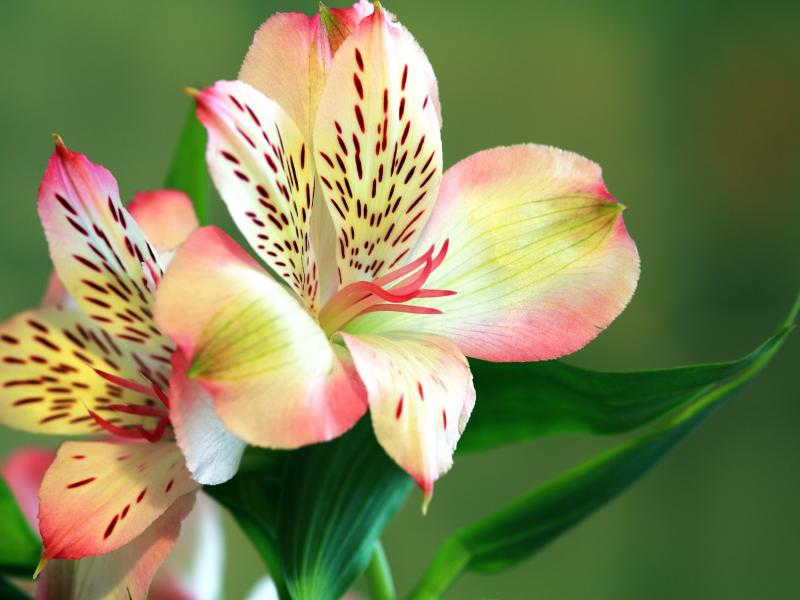
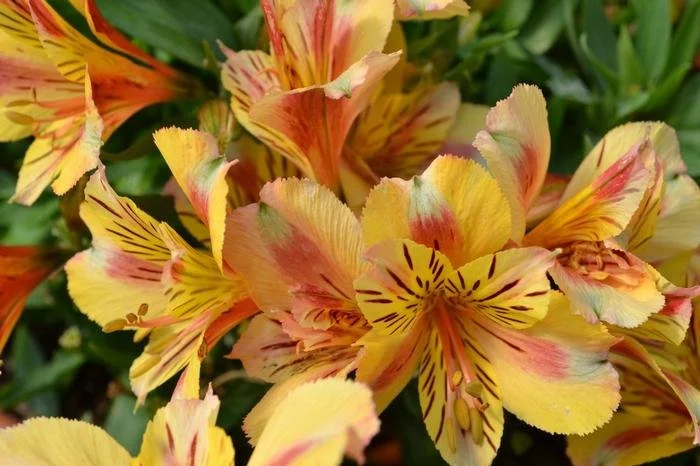
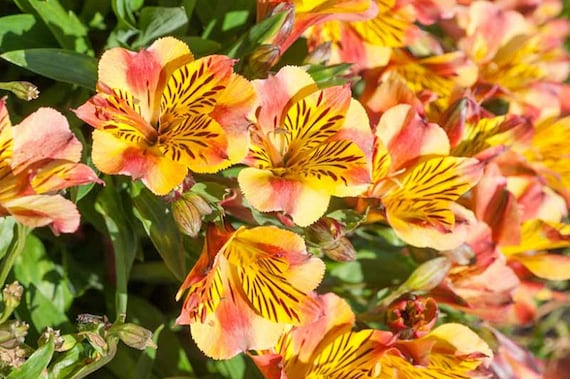
Each bloom features:
Multiple petals with:
Stripes
Speckles
Color gradients
Colors include:
Pink 🌸
Orange 🧡
Yellow 💛
Red ❤️
White 🤍
👉 Every flower looks hand-painted and unique.
2. Exceptionally Long Bloom Time 🌼
Blooms continuously from:
Late spring through fall
Produces wave after wave of flowers
👉 One of the longest-blooming perennials.
3. Outstanding Cut Flower ✂️
Lasts 2–3 weeks in a vase
Strong stems
Widely used in floral arrangements
👉 A true cut-and-come-again plant.
🌱 Growing Conditions
☀️ Light
Best:
Full sun (coastal or mild climates)
Tolerates:
Part shade (especially inland heat)
👉 Too much shade = fewer blooms.
💧 Water
Needs:
Regular watering
Soil should stay:
Evenly moist (not soggy)
👉 Drought stress reduces flowering.
🌱 Soil
Prefers:
Rich, well-draining soil
Benefits from:
Compost
👉 Good drainage is essential for healthy roots.
✂️ Care & Maintenance (Key Tip!)
Don’t Cut—Pull Stems Instead ⚠️
Gently pull stems from the base rather than cutting
👉 This:
Encourages new shoots
Extends blooming
Deadheading
Remove spent flowers regularly
Keeps plant tidy and productive
Fertilizing
Light feeding during growing season
Supports continuous blooms
🌿 Growth Habit
Forms clumps that expand slowly
Sends up multiple flowering stems
Can naturalize over time
💡 Some varieties spread more than others.
🌿 Landscape Uses
🌸 Flower Borders
Adds continuous color
Works in:
Cottage gardens
Mixed borders
🌿 Containers
Compact varieties do well in pots
🌼 Cutting Gardens
Perfect for:
Frequent harvesting
Bouquet production
🌿 Plant Pairing Ideas
To complement Alstroemeria’s intricate blooms:
🌿 For structure contrast
Salvia nemorosa → upright purple spikes
Veronica spicata → vertical accents
🌸 For color layering
Zinnias → bold summer color
Cosmos → airy, light texture
🌿 For foliage contrast
Coleus → vibrant leaf patterns
Artemisia ‘Silver Mound’ → soft, silvery texture
🌼 For seasonal continuity
Echinacea (coneflower) → summer blooms
Coreopsis → long-lasting yellow flowers
👉 These combinations create a vibrant, layered, flower-rich garden that evolves through the seasons.
⚠️ Common Problems
| Issue | Cause | Fix |
|---|---|---|
| Few flowers | Too much shade | Increase sun |
| Weak stems | Poor soil | Add compost |
| Root rot | Poor drainage | Improve soil |
🌿 How Fast Does It Grow?
Moderate growth
Establishes well in:
1–2 years
💡 Improves each season as clumps mature.
🌟 Key Takeaways
One of the best long-blooming perennials
Produces intricate, colorful flowers
Excellent for:
Garden display
Cut flowers
Requires:
Regular water
Good drainage
Proper harvesting technique
🌿 Final Thoughts
Alstroemeria is one of those plants that gives more than expected.
It looks delicate—but performs with consistency.
It feels ornamental—but behaves like a workhorse.
If you want a garden that feels:
Colorful
Lively
Always in bloom
This is a plant that keeps showing up—day after day, stem after stem.
Comments
Post a Comment