Allysum
🌸 Alyssum (Lobularia maritima): The Sweet, Cloud-Like Bloomer That Ties a Garden Together
If there’s a plant that quietly makes everything else look better, it’s alyssum.
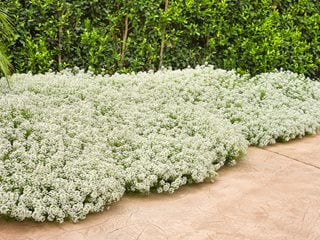
With its tiny, honey-scented flowers and soft, mounding habit, alyssum acts like a living “filler”—blending edges, softening hard lines, and creating that lush, finished look in a garden.
🌼 Quick Facts
Botanical name: Lobularia maritima
Common name: Sweet alyssum
Plant type: Annual or short-lived perennial
Native to: Mediterranean region
USDA zones: 5–10 (perennial in mild climates)
Height: 4–8 inches
Spread: 6–12+ inches
Light: Full sun → part shade
Water: Moderate
Bloom time: Fall → spring (cool seasons)
Wildlife: Bees, beneficial insects
🌿 Why Alyssum Is So Useful
1. A Cloud of Tiny Flowers ☁️

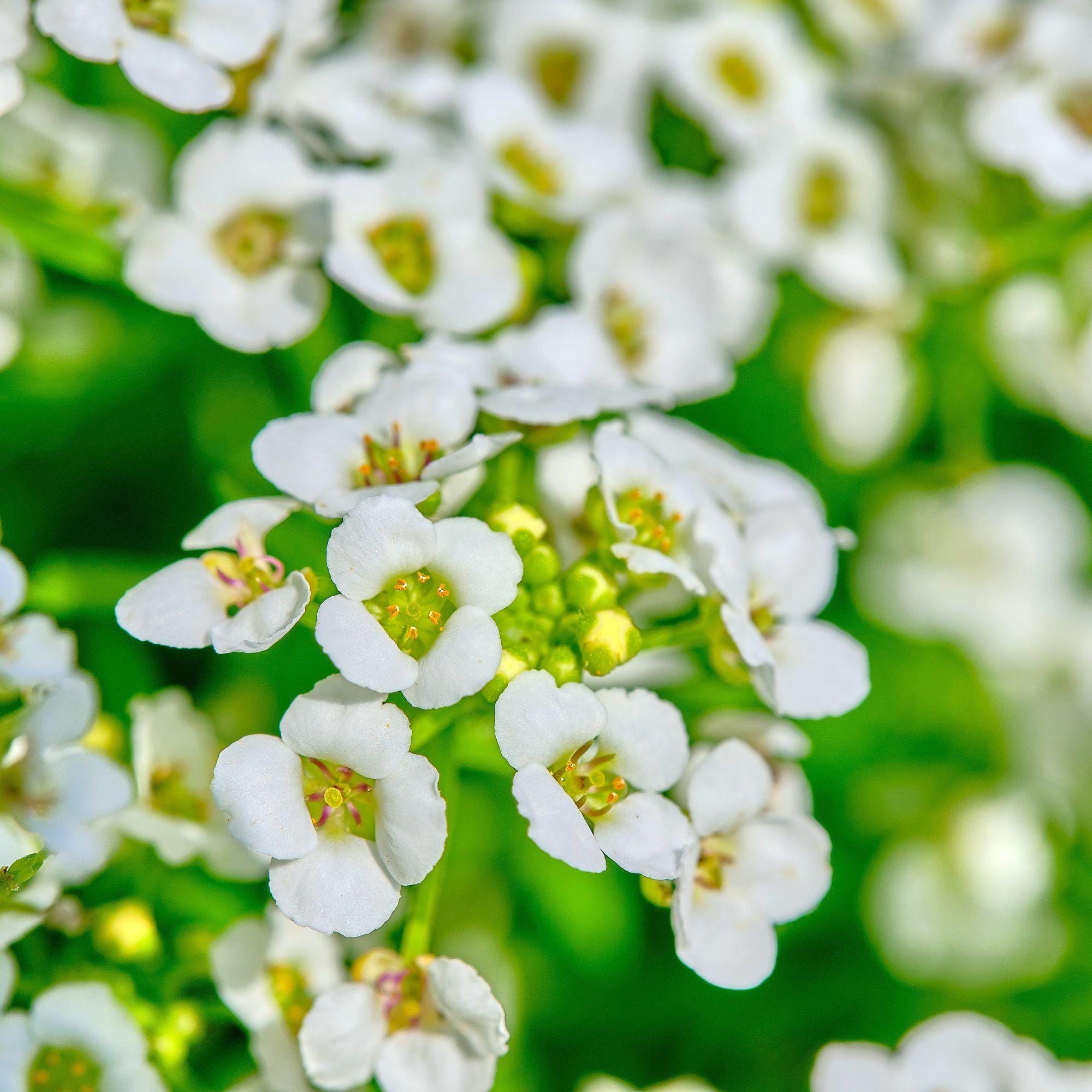
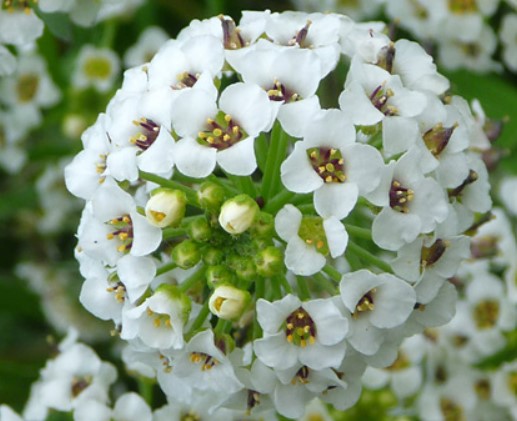
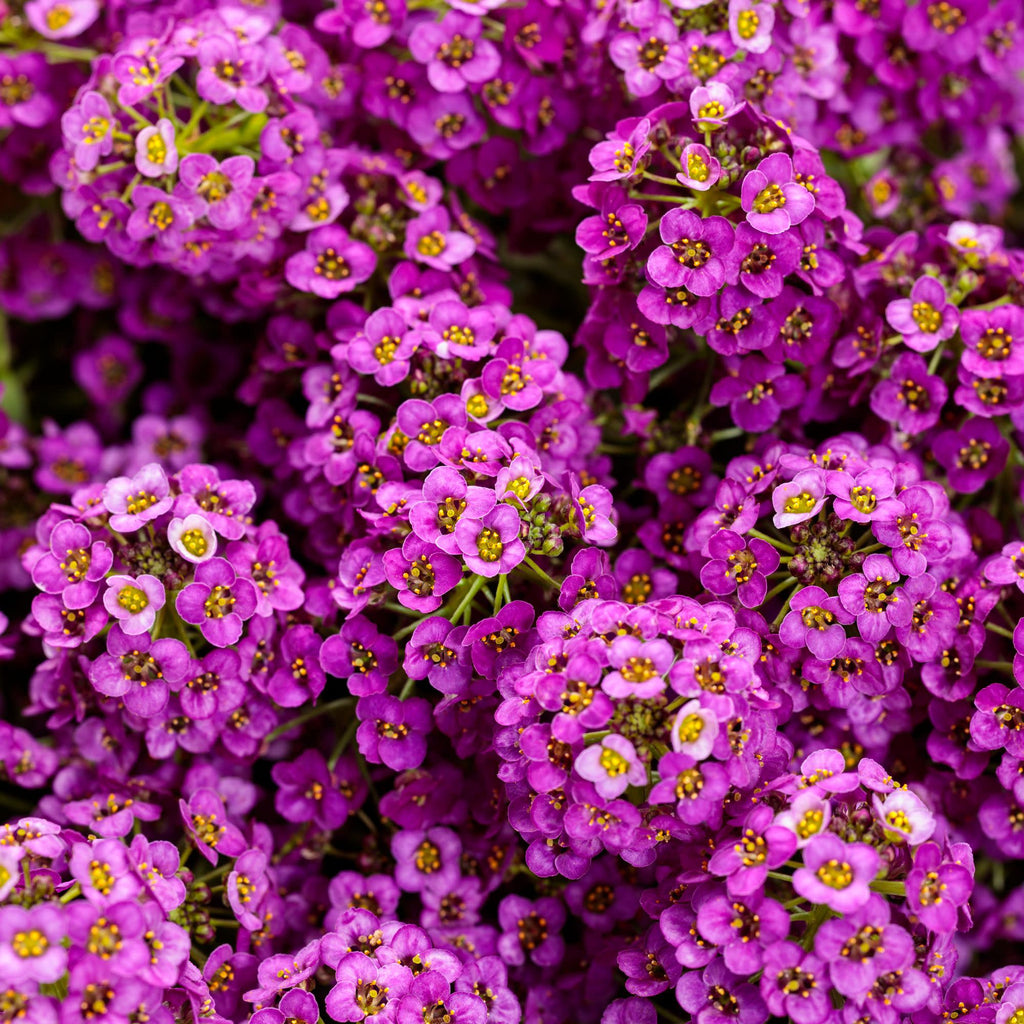
Forms dense clusters of tiny blooms
Colors include:
White 🤍
Lavender 💜
Pink 🌸
👉 From a distance, it looks like a soft floral carpet.
2. Incredible Fragrance 🍯
Sweet, honey-like scent
Noticeable especially:
In the morning
Along pathways
👉 Plant it where you can walk past and enjoy it up close.
3. Long Bloom Season 🌸
In mild climates (like much of California):
Blooms fall through spring
May slow in peak summer heat
Often rebounds in cooler weather
👉 One of the longest-performing flowering plants.
4. The Ultimate “Finishing Plant” 🌿
Alyssum excels at:
Filling gaps
Softening edges
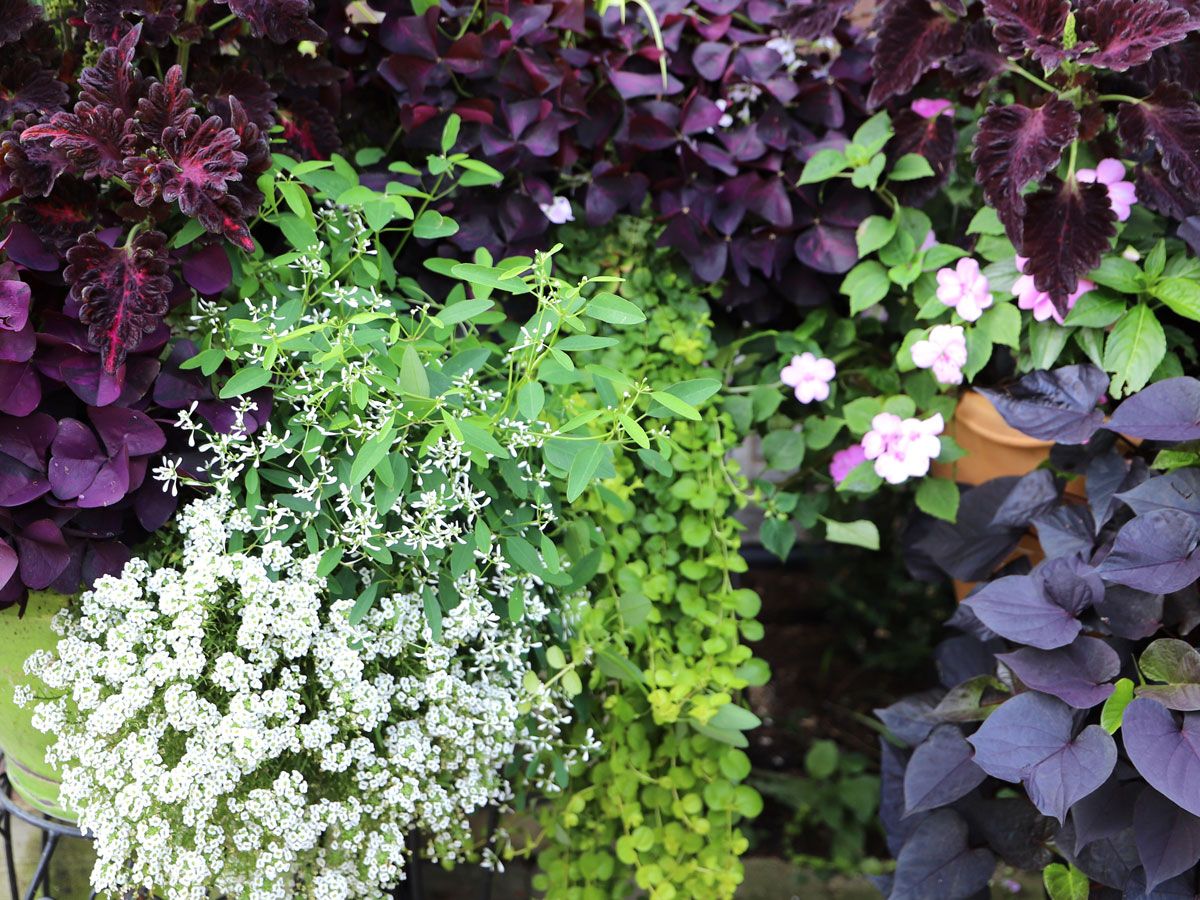
Connecting different plants visually
👉 It’s what makes a garden feel complete rather than patchy.
🌱 Growing Conditions
☀️ Light
Best:
Full sun
Tolerates:
Part shade
👉 In hotter inland areas: a little afternoon shade helps.
💧 Water
Needs:
Regular, light watering
Soil should stay:
Slightly moist, not soggy
🌱 Soil
Prefers:
Well-draining soil
Not very picky
👉 Performs well in beds, containers, and even cracks in stone.
✂️ Care & Maintenance
Trimming (Key for continuous blooms)
Shear lightly when it gets:
Leggy
Tired-looking
👉 This encourages fresh, compact growth and more flowers.
Fertilizing
Light feeding occasionally
Too much fertilizer = more leaves, fewer flowers
Replanting
Often treated as an annual
Easy to:
Reseed
Replant seasonally
🌿 Landscape Uses
🌿 Edging & Borders
Perfect along:
Paths
Garden beds
Driveways
🌸 Containers
Spills beautifully over:
Pots
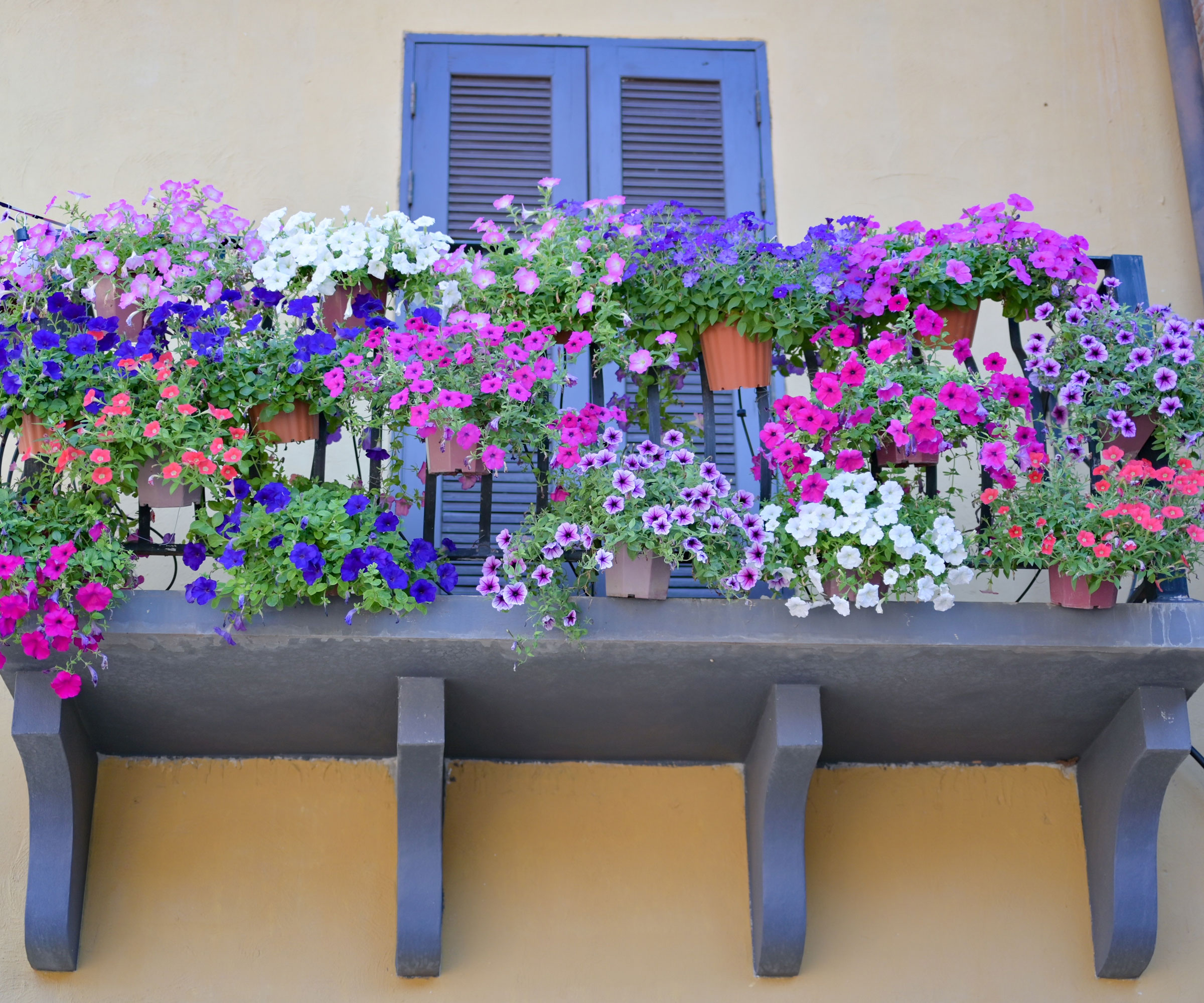
Window boxes
🌿 Groundcover Fill
Fills empty spaces between larger plants
Creates a cohesive look
🌼 Pollinator Support
Attracts:
Bees
Beneficial insects
👉 Great for a healthy garden ecosystem.
🌿 Plant Pairing Ideas
To enhance alyssum’s soft, airy effect:
🌿 For structure contrast
Snapdragons (Antirrhinum) → upright color spikes
Dianthus → compact, colorful mounds
🌸 For color blending
Petunias → bold, saturated blooms
Calibrachoa (million bells) → cascading color
🌿 For texture layering
Dusty miller (Senecio cineraria) → silvery contrast
Thyme (creeping varieties) → low, fragrant ground layer
🌼 For seasonal combinations
Pansies & violas → cool-season companions
Nemesia → soft, continuous bloom
👉 These combinations create a full, layered, cottage-style planting with continuous color.
⚠️ Common Problems
| Issue | Cause | Fix |
|---|---|---|
| Leggy growth | Heat or age | Trim back |
| Reduced blooms | Too hot | Wait for cooler weather |
| Yellowing | Overwatering | Improve drainage |
🌿 How Fast Does It Grow?
Fast-growing
Fills in quickly within:
weeks
💡 One of the fastest ways to make a space look “finished.”
🌟 Key Takeaways
Soft, fragrant, long-blooming filler plant
Ideal for:
Edging
Containers
Groundcover
Easy to grow and maintain
Attracts pollinators and beneficial insects
🌿 Final Thoughts
Alyssum isn’t the star of the show—but it makes everything else shine.
It brings:
Softness
Continuity
A sense of abundance
into a garden in a way few plants can.
If your planting ever feels:
A little empty
A little disconnected
Alyssum is often the missing piece that pulls it all together.
Comments
Post a Comment