💜 Allium ‘Serendipity’
💜 Allium ‘Serendipity’: A Compact, Repeat-Blooming Accent with Clean Structure

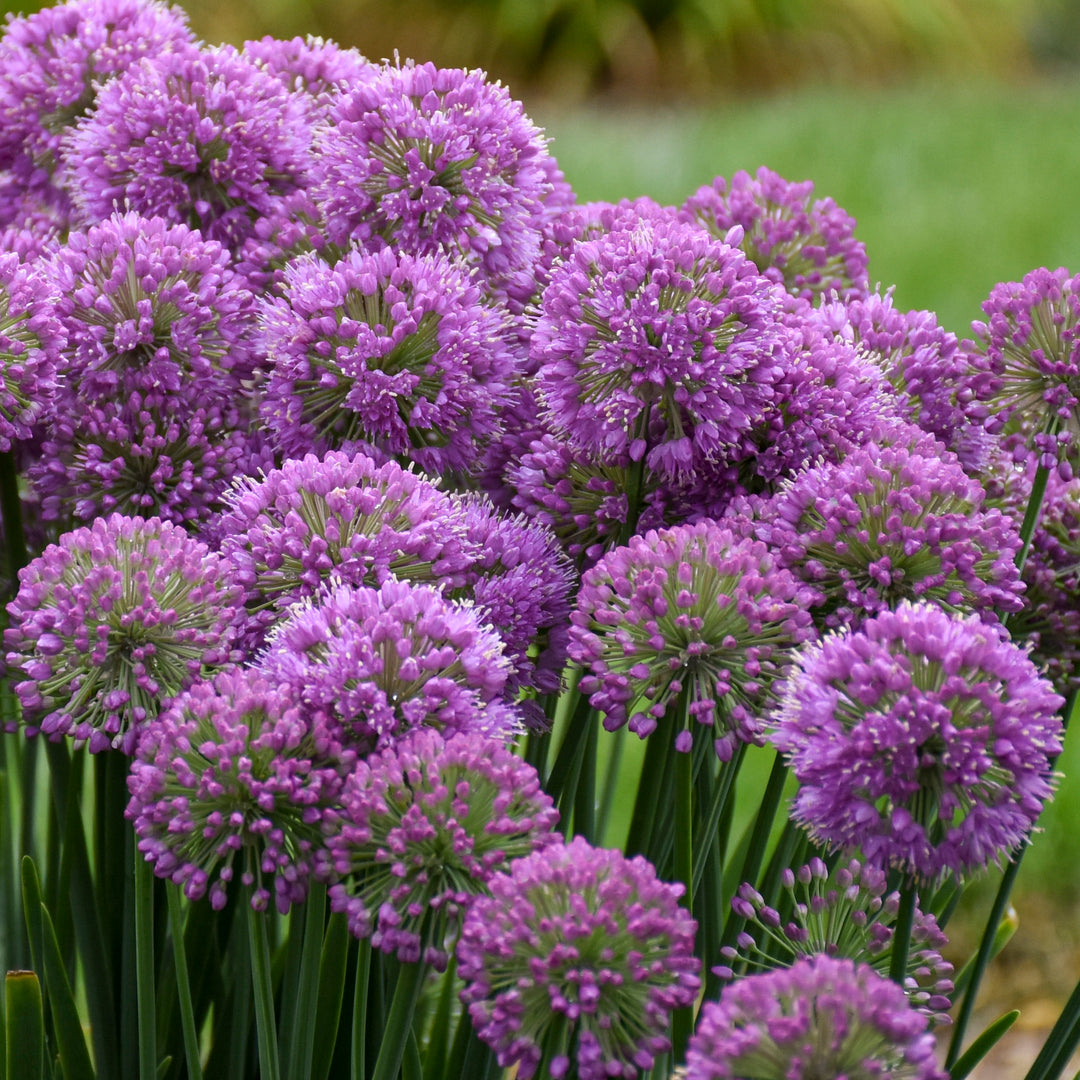


If you love the look of ornamental alliums but want something tidier, longer-blooming, and easier to use in everyday plantings, Allium ‘Serendipity’ is a standout choice.
With its perfectly rounded purple flower heads, compact size, and repeat bloom, it delivers that signature allium look in a form that fits seamlessly into modern borders.
🌼 Quick Facts
Botanical name: Allium ‘Serendipity’
Common name: Ornamental onion
Plant type: Herbaceous perennial
USDA zones: 4–8
Height: 12–18 inches
Width: 12–18 inches
Light: Full sun
Water: Low to moderate
Bloom time: Early summer → late summer (repeat blooms)
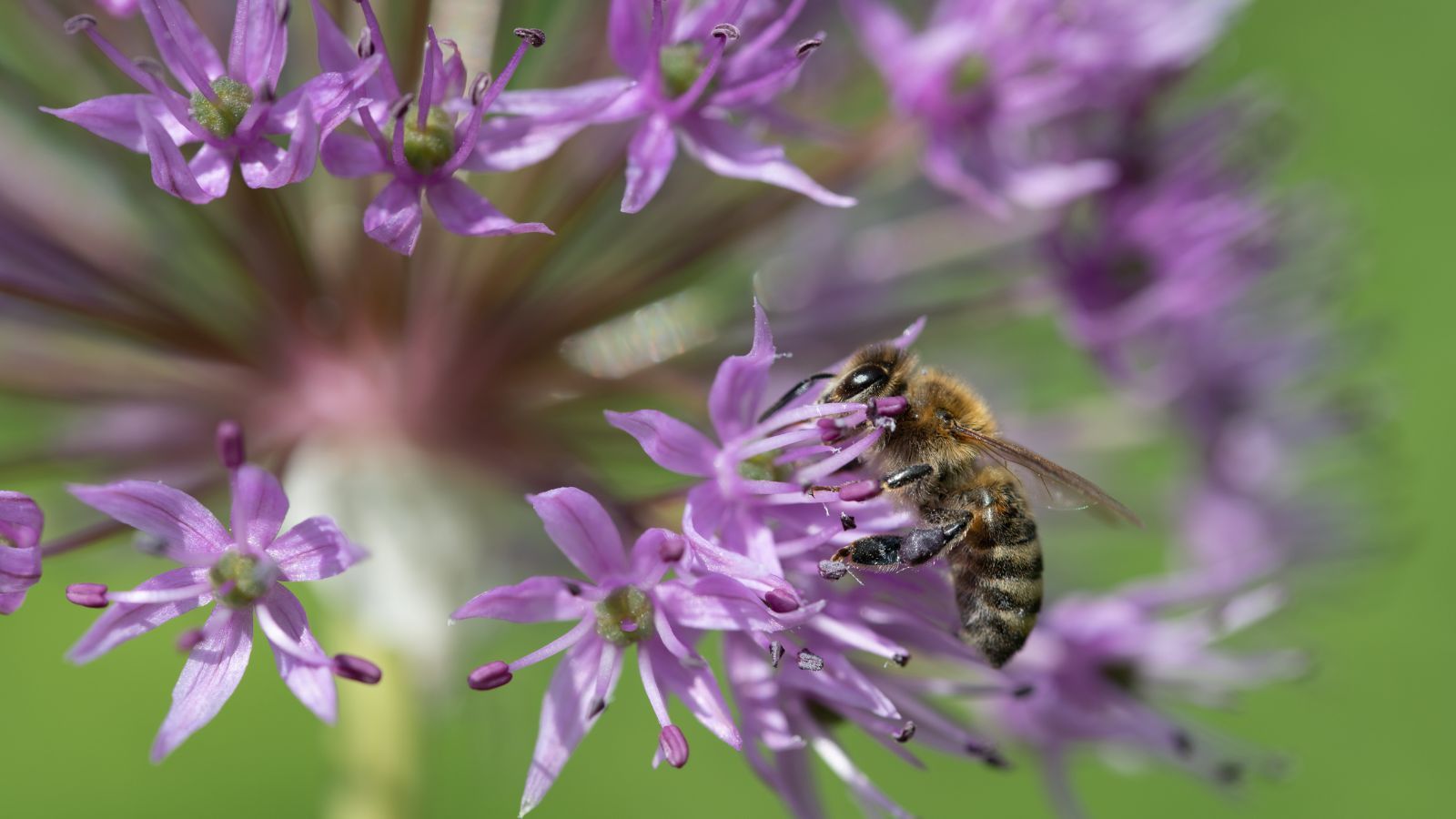
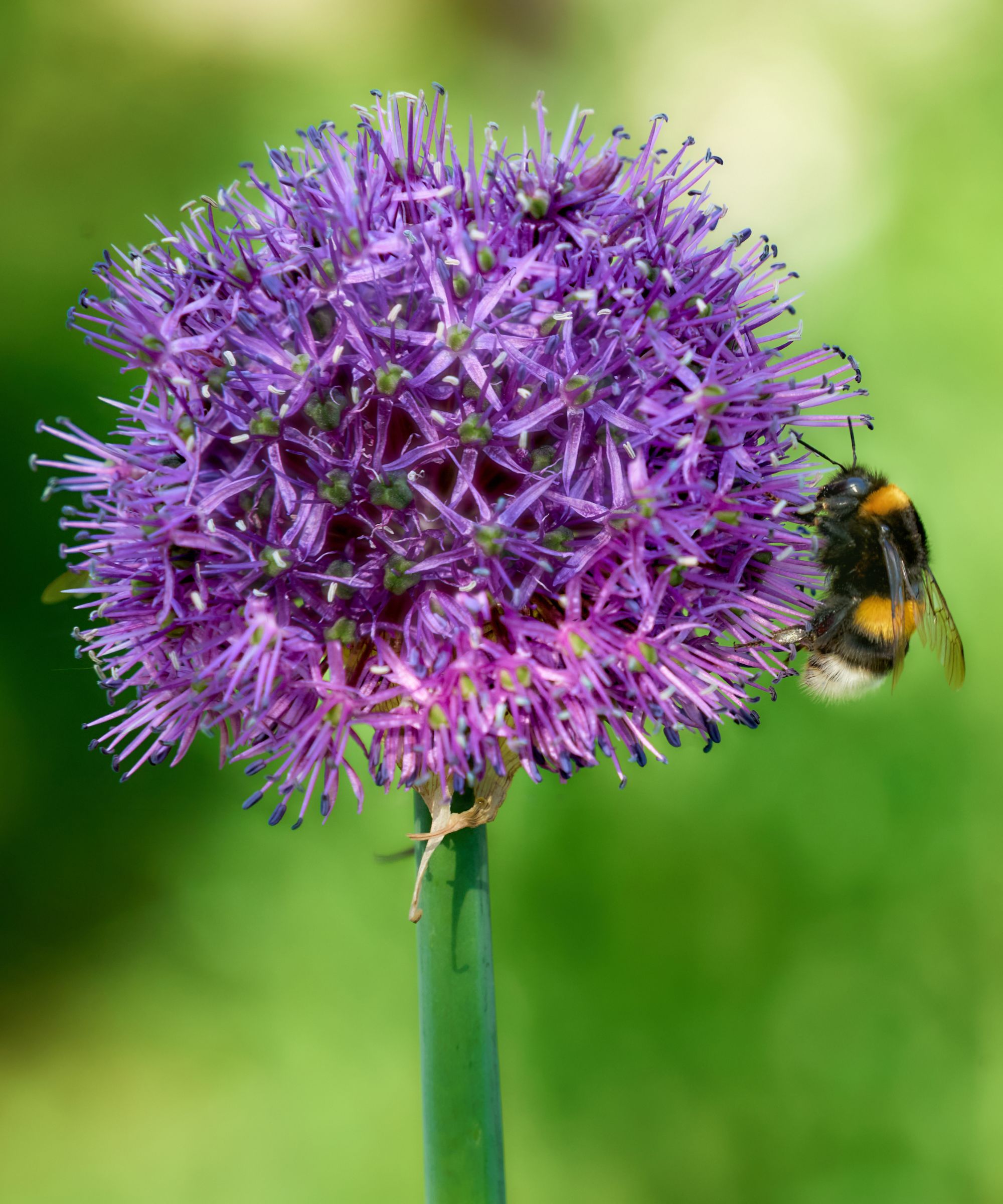
Wildlife: Bees, pollinators
🌿 Why ‘Serendipity’ Is So Useful
1. Classic Allium Look—But More Practical 💜

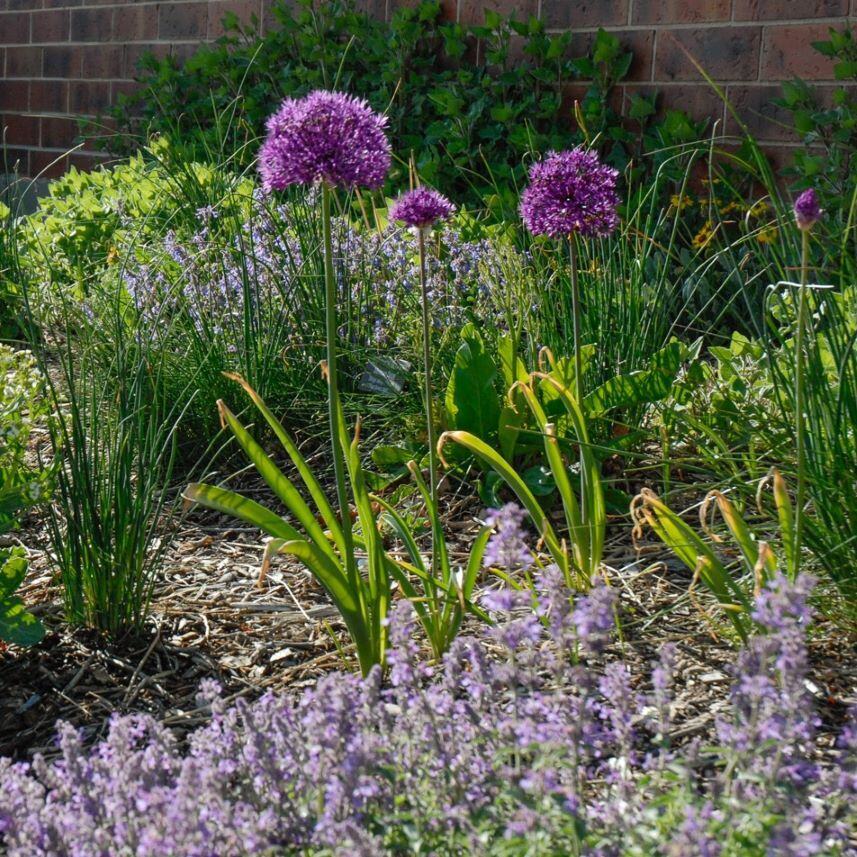
Rounded, globe-shaped blooms
Rich lavender-purple color
More compact than traditional alliums
👉 Easier to use in:
Borders
Edging
Smaller gardens
2. Repeat Blooming 🌸
Unlike many alliums that bloom once:
‘Serendipity’ reblooms through the season
Produces multiple flushes of flowers
👉 Extends color well into summer.
3. Clean, Tidy Foliage 🌿
Blue-green, strap-like leaves
Forms a neat, upright clump
Stays attractive through the season
👉 No messy dieback like bulb alliums.
🌱 Growing Conditions
☀️ Light
Needs:
Full sun for best flowering
👉 More sun = stronger stems and more blooms.
💧 Water
Establishment: Regular watering
Mature:
👉 Low to moderate water
👉 Fairly drought-tolerant once established.
🌱 Soil
Prefers:
Well-draining soil
Tolerates:
Average garden soil
👉 Avoid soggy conditions.
✂️ Care & Maintenance
Deadheading
Remove spent blooms
Encourages:
Continuous flowering
Pruning
Minimal pruning needed
Cut back in late fall or early spring
Fertilizing
Light feeding in spring if needed
Not a heavy feeder
🌿 Growth Habit
Forms compact, rounded clumps
Slowly expands
Non-invasive
💡 Ideal for structured planting.
🌿 Landscape Uses
🌿 Edging & Borders
Perfect for:
Pathways
Front of beds
🌸 Repetition Planting
Use in groups for:
Rhythm
Cohesion
🌿 Pollinator Gardens
Attracts:
Bees
Beneficial insects
🌿 Containers
Works well in pots
Maintains a neat form
🌿 Fresh Pairing Ideas
To complement its structured form and purple tones:
🌿 For vertical contrast
Digitalis (foxglove) → tall, soft spikes
Penstemon ‘Dark Towers’ → upright color
🌸 For color harmony
Salvia ‘Amistad’ → deep purple richness
Lavandula angustifolia → soft lavender tones
🌿 For texture contrast
Heuchera (dark-leaved varieties) → bold foliage
Hakonechloa macra → soft, flowing grass
🌼 For seasonal layering
Gaura → airy summer blooms
Coreopsis → bright, long-lasting color
👉 These combinations create a balanced, structured planting with softness and extended seasonal interest.
⚠️ Things to Know
Benefits from deadheading for rebloom
Needs good drainage
Best planted in groups for visual impact
🌿 How Fast Does It Grow?
Moderate growth
Establishes in:
1–2 years
💡 Builds into a strong, reliable clump.
🌟 Key Takeaways
Compact, repeat-blooming ornamental allium
Provides:
Clean structure
Long-lasting color
Pollinator support
Thrives in:
Full sun
Well-drained soil
Ideal for:
Edging
Borders
Containers
🌿 Final Thoughts
Allium ‘Serendipity’ is what happens when beauty meets practicality.
It offers:
The elegance of classic alliums
The reliability of a modern perennial
The structure that ties a planting together
If you want a garden that feels:
Organized
Intentional
Effortlessly in bloom
This is one of those plants that quietly makes everything work—and keeps doing it all season long.
Comments
Post a Comment