Acanthus (Bear’s Breeches)
🌿 Acanthus (Bear’s Breeches): Bold, Architectural Drama for Shaded Gardens

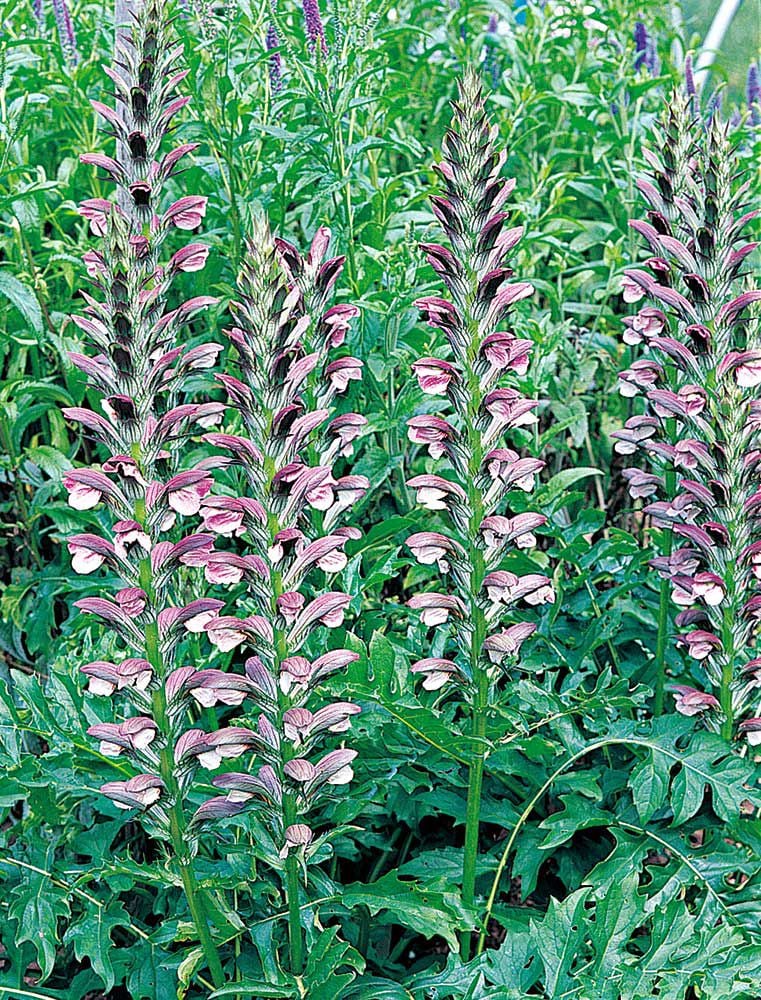


If you want a plant that instantly adds drama, structure, and a touch of classical elegance, Acanthus—commonly called bear’s breeches—is hard to beat.
With its massive, sculptural leaves and towering flower spikes, this is a plant that doesn’t blend in—it defines the space around it.
🌼 Quick Facts
Botanical name: Acanthus spp.
Common name: Bear’s breeches
Plant type: Herbaceous perennial
Native to: Mediterranean region
USDA zones: 7–10
Height: 3–5 ft (flowers up to 6 ft)
Width: 3–4 ft
Light: Part shade → full sun
Water: Moderate → low once established
Bloom time: Late spring → early summer
Wildlife: Pollinators
🌿 Why Acanthus Makes Such an Impact
1. Massive, Sculptural Leaves 🌿
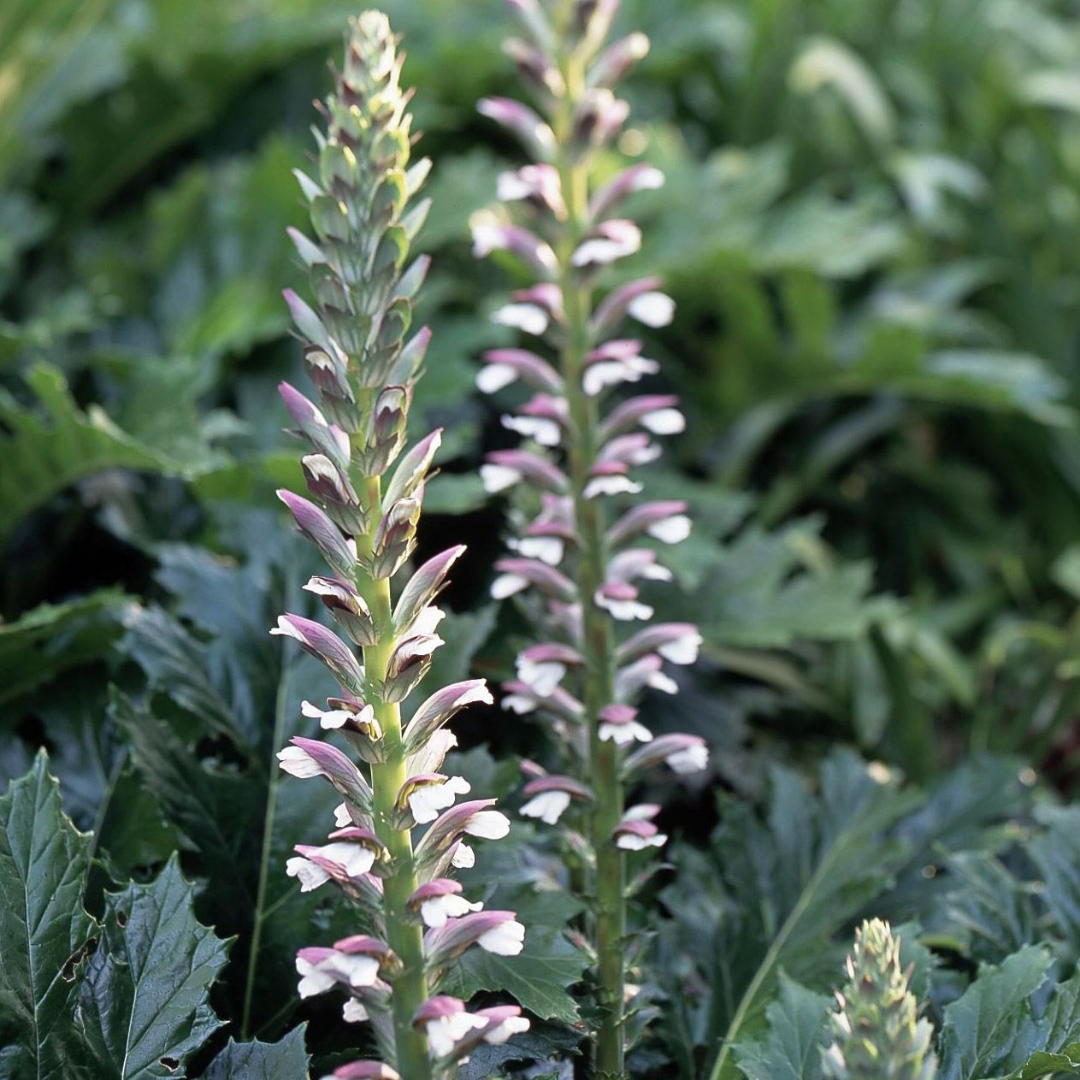
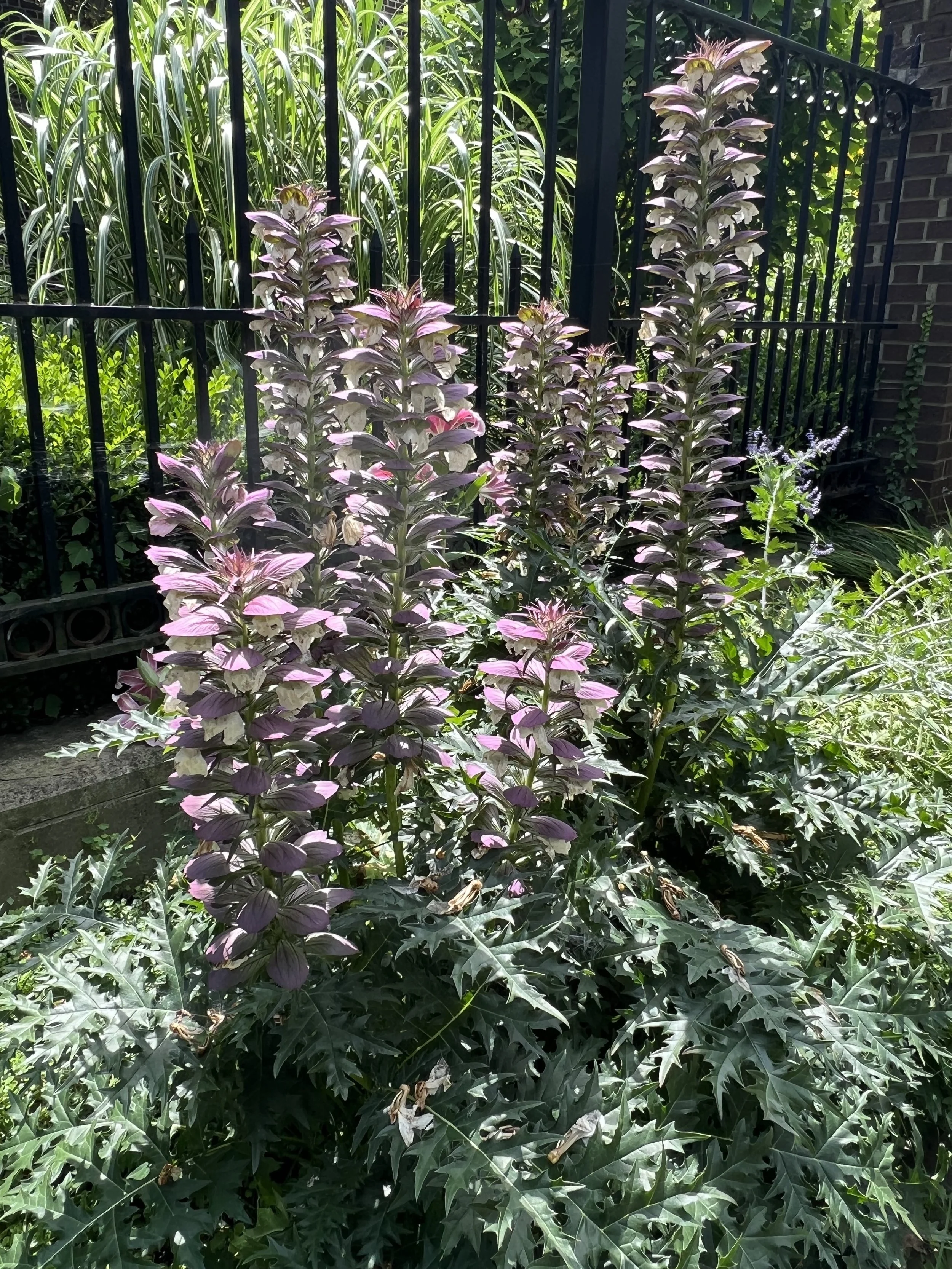
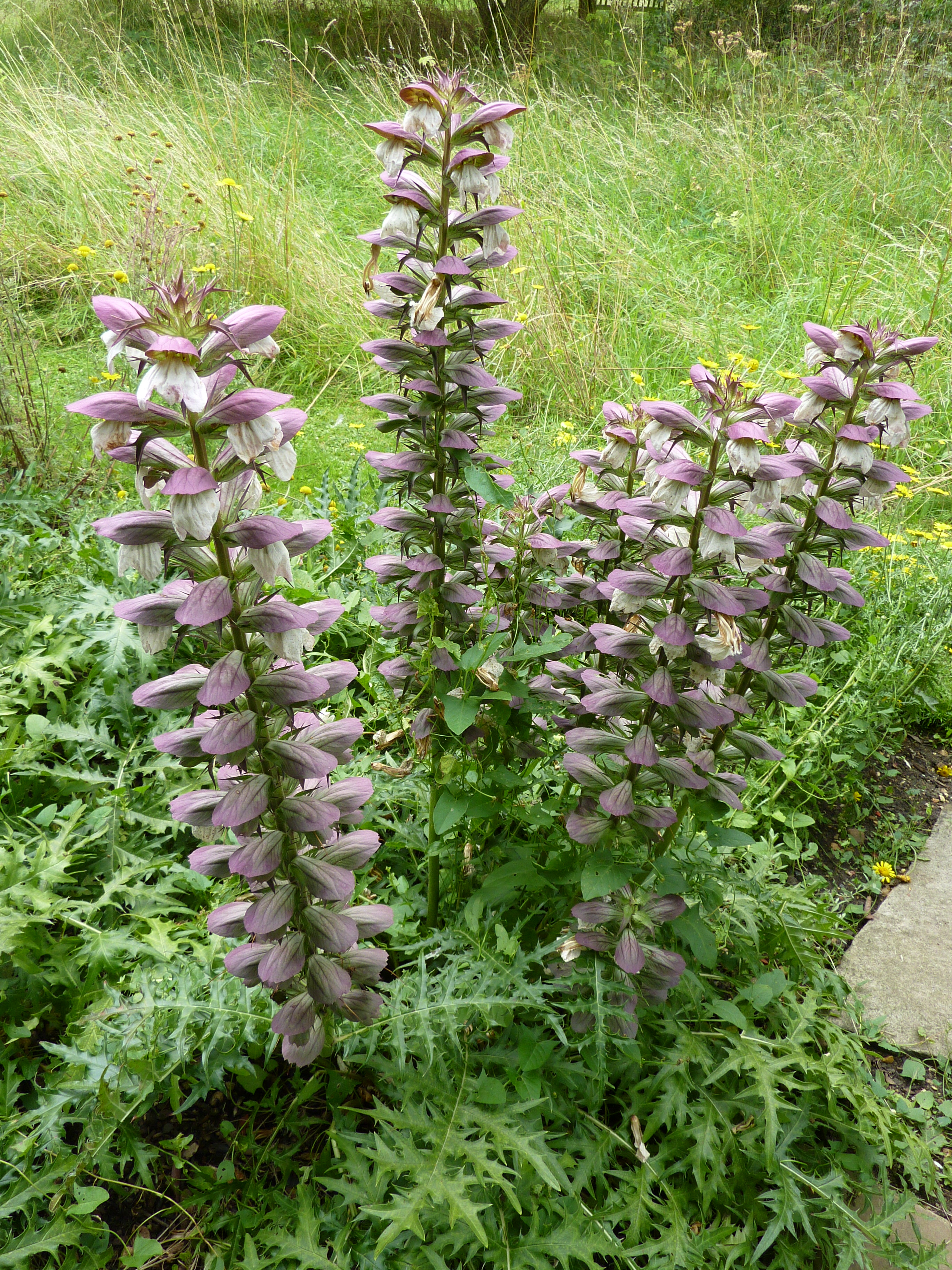

Deeply lobed, glossy leaves
Form bold, ground-hugging clumps
Create a lush, almost tropical feel
👉 Even without flowers, the foliage is a major feature.
2. Towering Flower Spikes 🌸
Tall spikes rise dramatically above foliage
Flowers are:
White
Tinted with purple bracts
👉 The effect:
Strong vertical contrast
A true architectural statement
3. Historical & Design Significance 🏛️
Acanthus leaves inspired:
Classical Greek and Roman architecture
Corinthian column designs
👉 It brings a subtle sense of timeless, formal beauty into modern gardens.
🌱 Growing Conditions
☀️ Light
Best:
Part shade
Tolerates:
Full sun (with more water)
👉 Ideal for bright shade or filtered light.
💧 Water
Establishment: Regular watering
Mature:
👉 Moderate to low water
💡 More water = lusher growth.
🌱 Soil
Prefers:
Rich, well-draining soil
Tolerates:
Clay (if not waterlogged)
👉 Benefits from compost but is adaptable.
✂️ Care & Maintenance
Pruning
Remove spent flower spikes
Cut back foliage if it becomes messy
Spread Management ⚠️
Spreads via roots
Can be persistent once established
👉 Important:
Choose location carefully
Hard to fully remove once settled
Fertilizing
Light feeding or compost in spring
Not heavy feeders
🌿 Landscape Uses
🌿 Statement Foliage Plant
Best used as a focal foliage element
🌳 Shade Gardens
Thrives where many bold plants struggle
🌿 Formal or Classical Designs
Works beautifully in:
Structured layouts
Symmetrical plantings
🌿 Plant Pairing Ideas
To complement Acanthus’ bold foliage:
🌿 For contrast in scale
Hakonechloa macra (Japanese forest grass) → soft, flowing contrast
Liriope muscari → neat, grassy edging
🌸 For layered bloom timing
Foxglove (Digitalis) → vertical spring spikes
Astrantia → delicate, intricate flowers
🌿 For color contrast
Coleus (shade varieties) → vibrant foliage
Heucherella → patterned leaves
🌼 For textural balance
Brunnera macrophylla → soft, heart-shaped leaves
Pulmonaria → spotted foliage + spring blooms
👉 These combinations create a lush, layered shade planting with depth and contrast.
⚠️ Things to Know
Can spread aggressively in ideal conditions
Leaves may die back in extreme heat or cold
Flower spikes can self-seed
🌿 How Fast Does It Grow?
Moderate growth rate
Establishes well in:
2–3 years
💡 Becomes more impressive each season.
🌟 Key Takeaways
One of the boldest foliage plants for shade
Adds architectural structure and vertical interest
Thrives in part shade with moderate water
Best used as a statement or anchor plant
🌿 Final Thoughts
Acanthus is not subtle—and that’s exactly its strength.
It brings:
Structure
History
A sense of permanence
into a garden in a way few plants can.
If you’re designing a space that feels:
Layered
Intentional
Slightly dramatic
Acanthus is the kind of plant that grounds everything—and makes the rest of the garden feel more designed.
Comments
Post a Comment